
REVIEW · THE HAGUE
The Hague: Beginner’s Surf Lesson
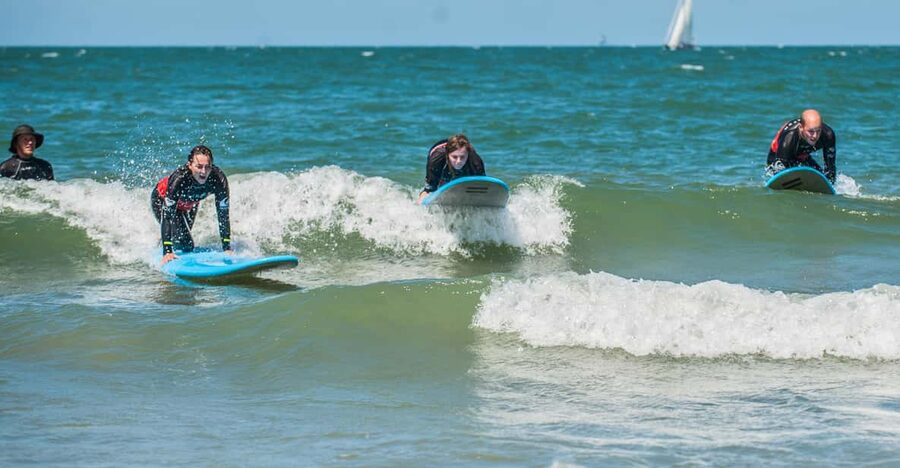
North Sea water, first-wave confidence, in two hours. This beginner-friendly Scheveningen surf lesson is built for real first-timers, with a small group and certified coaching in Dutch and English.
I love the hands-on approach, especially the clear safety talk before you even paddle out. I also love that the gear removes friction: soft-top boards and warm wetsuits help you focus on balance instead of fighting equipment.
One thing to plan for: the North Sea can feel cold and windy, even with wetsuits and a cap. In bad weather, you might spend more time on land practice than you’d hope.
In This Review
- Key highlights you’ll feel right away
- Scheveningen surf lessons are about more than catching waves
- Where the lesson starts: Strandweg 3, Scheveningen
- The 2-hour flow, from safety briefing to first rides
- Safety coaching you can use immediately
- Your gear plan: soft board, wetsuit, showers, and lockers
- What it feels like to start surfing in a small group
- Coaches who speak your language, and teach without drama
- How you’ll learn to control the board and read waves
- Timing your first takeoff: the real beginner skill
- Riding your first wave in real ocean conditions
- The value question: $45, included gear, and a €15 rental credit
- Who this beginner surf lesson suits best
- What to bring so you’re not stuck mid-lesson
- Practical tips for your first day on Scheveningen
- Should you book the Hart Beach Quiksilver Surfschool beginner lesson?
- FAQ
- Where does the beginner surf lesson meet?
- How long is the lesson?
- What is included in the lesson price?
- What should I bring?
- What languages are the instructors?
- Is there a minimum age requirement?
- Can I cancel or pay later?
Key highlights you’ll feel right away
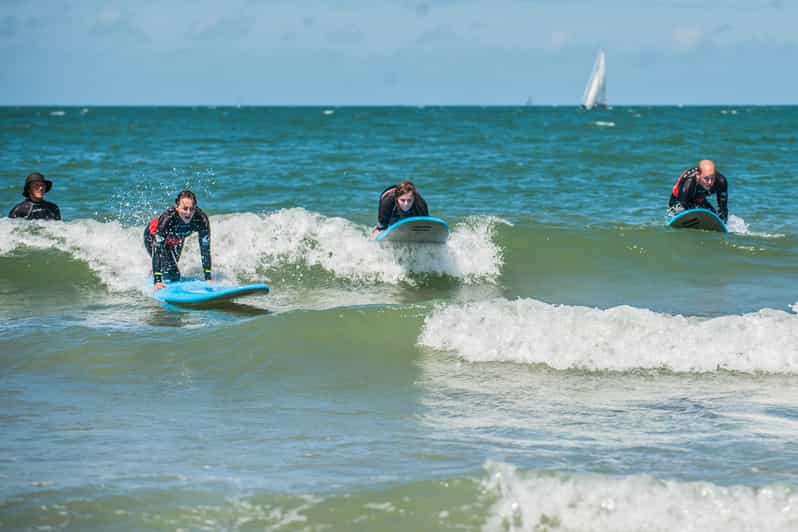
- Small group, 6 or fewer, so you get more time with your instructor
- Dutch and English coaching, so instructions land fast
- Soft-top surfboards for safer first attempts and easier control
- Hot showers and changing rooms, so you can actually warm up afterward
- €15 rental credit to keep surfing after your lesson
More of The Hague, sea air included
- The Hague: City Canal Cruise★ 4.6 · 2,024 reviews
- The Hague: Madurodam Miniature Park Entry Ticket★ 4.6 · 1,559 reviews
- The Hague: Hop-on Hop-off Old-Fashioned Heritage Tram Tour★ 4.4 · 1,083 reviews
- The Hague: Escher in The Palace Museum Ticket★ 4.6 · 896 reviews
Scheveningen surf lessons are about more than catching waves
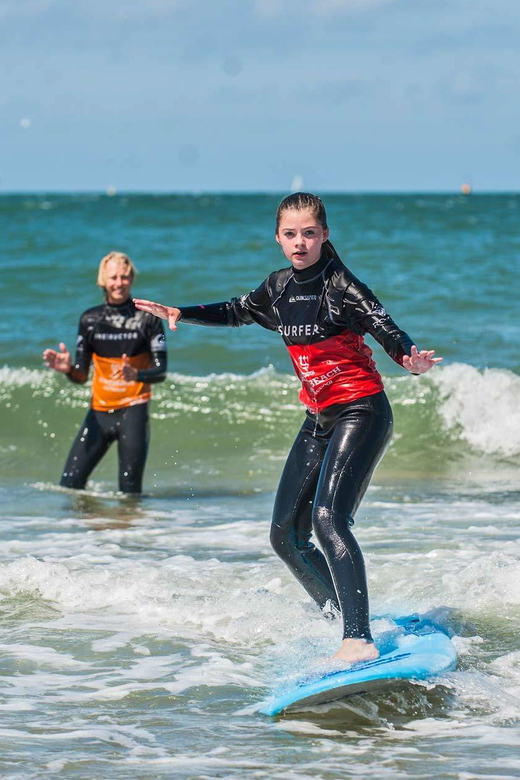
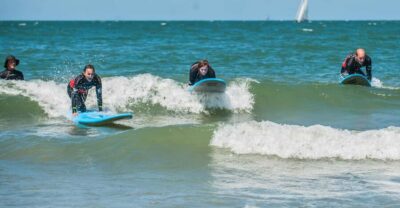
The Hague has a special kind of beach vibe. Scheveningen is a working seaside area with real ocean energy, not a pretend surf park. That matters, because this lesson aims to teach you how surfing works in the North Sea, not just how to stand on a board.
This is a true beginner lesson, with a tight 2-hour window and a small group capped at 6 participants. You start on the beach, get coaching, then you ride your first waves with guidance. If you’ve never surfed, that structure is exactly what you want.
Where the lesson starts: Strandweg 3, Scheveningen
You’ll meet at Strandweg 3, 2586JK Scheveningen, The Hague. The lesson ends back at the meeting point, so you don’t have to worry about transfers or figuring out how to get back afterward.
For your first time, I recommend arriving a bit early. Surf lessons run smoother when you’re not rushing to change, find your locker, and get suited up. Also, your instructor needs the group ready before the safety briefing starts.
The 2-hour flow, from safety briefing to first rides
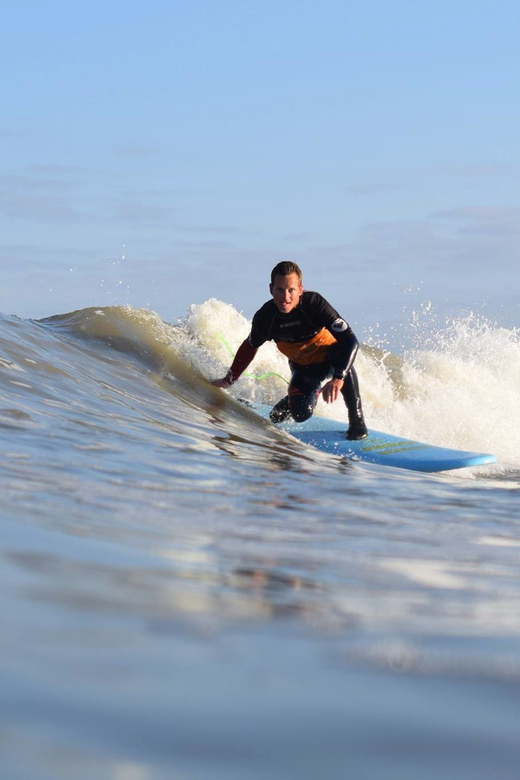
This lesson is built like a mini training session. It starts with instruction on shore, then moves into the water in a controlled way, then finishes with actual wave time.
On the beach, the instructor explains safety and how to behave in the surf zone. Expect talk about what to do before you go out, how to stay aware of conditions, and how to follow the group plan. You’re not just learning how to ride a board, you’re learning how to be safe around other people and in real waves.
Next comes surf technique, broken down into practical steps. You’ll learn different ways to position yourself, how to keep your board under control, and how to read the waves well enough to time your takeoff. Then you grab your surfboard and head into the fun part.
Safety coaching you can use immediately
If you’re a total beginner, safety can feel like an afterthought. Here it’s front and center, which is a big reason people rate this so highly.
The instructor covers how to stay safe in the water, including advice for going out safely. That matters because beginners often underestimate how much the ocean can change minute to minute, even when waves look small.
Also, the coaching language is practical. You get instruction from a Dutch and English-speaking instructor, so you can understand directions without guessing. That reduces panic and helps you learn faster.
Other The Hague sessions where you make something

Your gear plan: soft board, wetsuit, showers, and lockers
You’re provided with most of what makes surf lessons manageable, especially on a windy North Sea coast.
Included gear:
- Soft-top surf board
- Warm wetsuit and cap
- Separate changing rooms
- Hot showers
- Lockers for belongings
If you take the lesson in winter months, you might also get gloves and boots if needed. That detail matters, because warmth is not optional when you’re learning and moving slowly.
Two small items are not included: swimwear and a towel. That means you should plan to come prepared, even if you think the wetsuit will handle everything. If you arrive without a towel, you’ll be drying off however you can, and you might feel miserable right after the lesson.
What it feels like to start surfing in a small group
This is limited to 6 participants or fewer. I like that because it changes the whole experience.
With a tiny group, your instructor can correct posture and board angle without repeating everything for a crowd. You also spend less time waiting around. Surfing is physical practice. The more short attempts you get, the faster you improve.
A small-group setup also tends to make new surfers feel less self-conscious. In the praise for the staff, you’ll see a consistent theme: the instructors treat people as people, not as “young athletic types.” One participant, a 54-year-old grandmother, specifically praised being treated no differently, which is the kind of confidence boost that helps beginners relax.
Coaches who speak your language, and teach without drama
The surf school instructors here work in both Dutch and English, which is huge if you don’t speak Dutch. You’ll get explanations on technique and wave timing, and you’ll have a way to ask questions in a language that feels natural.
The names that show up in the positive feedback are worth noting, because they point to how the team supports beginners. Ayoub and Gijs are praised for being kind and helpful. Connor is praised for teaching in a fun but professional way, with awesome vibes and lots of knowledge.
That combination matters. Beginner lessons need two things: calm safety guidance and energetic encouragement. When both show up in the instruction, you’re more likely to keep trying when you wipe out the first few times.
How you’ll learn to control the board and read waves
The goal in a first lesson is control. You’re not chasing stylish maneuvers. You’re building the basics that let you stand up and stay balanced.
You’ll learn how to keep the surfboard under control, including how to handle your stance when waves push you. You’ll also learn how to read the waves enough to figure out when a set is worth attempting.
This is where your instructor’s timing advice becomes practical. You’ll learn how to time your takeoff and catch your first wave, which is the moment most beginners came for. When you finally get it, everything clicks, because the ocean suddenly feels less random.
Timing your first takeoff: the real beginner skill
Surfing success for beginners is usually about three things working together:
- Board position
- Wave timing
- Staying calm enough to commit
In this lesson, the technique instruction focuses on takeoff timing and controlling the board. That’s the right choice because beginners often struggle most with timing. You can have decent balance, but if you pop up too early or too late, the wave disappears or knocks you off.
You’ll get coaching to improve takeoff timing and to catch waves in a way that fits your level. Expect repeated attempts, quick corrections, and the satisfaction of seeing your progress within the 2 hours.
Riding your first wave in real ocean conditions
Catching your first wave is not a guaranteed feat in surf lessons, because the sea decides the details. But this is designed to maximize your chances.
Why? The board is a soft-top, which makes it easier to handle and helps beginners stay safer. Your wetsuit and cap help you stay in the water longer without getting too chilled to think. And the instructor keeps you following safe, organized guidance rather than letting you wander into the wrong spot.
So when you do stand and ride, it feels earned. And after, you’re likely to want another go, not because you became an expert overnight, but because the lesson gives you the foundation to keep practicing.
The value question: $45, included gear, and a €15 rental credit
The lesson costs $45 per person and lasts about 2 hours. That’s a fair price for a coached intro, especially because the essentials are included.
What you get included is where the value shows:
- Soft-top surfboard
- Warm wetsuit and cap
- Gloves and boots if needed in winter months
- Showers, changing rooms, and lockers
Then there’s the €15 rental credit. This is a smart addition because it encourages follow-up practice. You’re not paying for one moment only. If you liked it, you can use that credit after your lesson when you rent or return to keep working on skills.
One practical note: because your credit is a separate amount in euros, keep an eye on how it’s applied when you rent afterward. The more you use it, the better your overall value becomes.
Who this beginner surf lesson suits best
This lesson fits well if you want an authentic first surf experience in The Hague without overthinking gear and logistics.
You’ll likely enjoy it if:
- You have never surfed and want step-by-step coaching
- You like clear instructions in Dutch and English
- You value safety talk and structured practice
- You want a lesson that respects adults too, not just young beginners
You must be at least 16 years old. If you’re older than that, you’ll still find this approachable based on how the teaching team is praised.
What to bring so you’re not stuck mid-lesson
You don’t want to start your first lesson scrambling. Bring:
- Swimwear
- Towel
Everything else is handled: wetsuit, board, and the surf basics. The lesson includes lockers for belongings, but having your towel with you makes the change-after part easy.
If you’re sensitive to cold, keep that towel dry and warm for yourself. You’ll likely be grateful when you step into the hot shower.
Practical tips for your first day on Scheveningen
A beginner surf lesson is short, so small choices matter.
Wear swimwear you feel comfortable changing into quickly. Then, once you’re suited up, listen closely during the safety part. Your success in the water is tied to doing the group instructions right, especially when you’re learning where waves break and how to move with less panic.
Also, mentally prepare for a few wipeouts. That’s normal. The lesson is about learning control and timing, not about never falling. Staying calm helps you learn more during the attempts you do get.
Should you book the Hart Beach Quiksilver Surfschool beginner lesson?
Yes, if you want a beginner surf experience that stays structured, friendly, and genuinely beginner-focused. The small group cap, Dutch and English coaching, and the included soft boards and wetsuits make this a low-friction way to start.
I’d especially recommend it if you’re the type who learns best with hands-on correction and clear safety guidance. The positive feedback naming instructors like Ayoub, Gijs, and Connor is a good sign that the teaching style stays supportive, not chaotic.
Skip it only if you expect a long session or a hands-on surf trip with lots of extra time beyond 2 hours. This is a focused intro. If you want hours and hours of practice, use the lesson as your start point, then come back for more with the included €15 rental credit.
If you’re ready to try surfing for the first time on the North Sea, this Scheveningen lesson is a smart, well-equipped way to do it.
FAQ
Where does the beginner surf lesson meet?
The lesson meets at Strandweg 3, 2586JK Scheveningen, The Hague.
How long is the lesson?
The duration is 2 hours. Starting times vary based on availability.
What is included in the lesson price?
You get a soft-top surf board, warm wetsuit and cap, separate changing rooms, hot showers, and lockers. Gloves and boots may be provided if needed during winter months.
What should I bring?
Bring swimwear and a towel.
What languages are the instructors?
Instructors speak Dutch and English.
Is there a minimum age requirement?
Yes. You must be at least 16 years old to take part.
Can I cancel or pay later?
There is free cancellation up to 24 hours in advance for a full refund. You can reserve now and pay later.
Come Home From The Hague With Something You Made

Also Reviewed Around The Hague





The Hague and the Sea
Fresh off the review pile in The Hague
- Private Tour of Vermeer’s Delft + Tickets to Vermeer Museum
★ 5.0 · 3 reviews - Private Tour of Rotterdam and The Hague including Transfer
★ 5.0 · 3 reviews - Surfing at The Shore in The Hague
★ 4.5 · 3 reviews - 3 Course Walking Dinner in Delft with Guided Tours in Between
★ 5.0 · 3 reviews - Surprise Walk of The Hague with a Local
★ 4.5 · 3 reviews
The Hague & Scheveningen, compared.
 ★ 4.7The Hague: Mauritshuis Entrance TicketFrom $252,706 reviews
 ★ 4.6The Hague: City Canal CruiseFrom $172,024 reviews
 ★ 4.2From Amsterdam: Rotterdam, Delft & The Hague Guided Day TourFrom $901,765 reviews
 ★ 4.6The Hague: Madurodam Miniature Park Entry TicketFrom $241,559 reviews
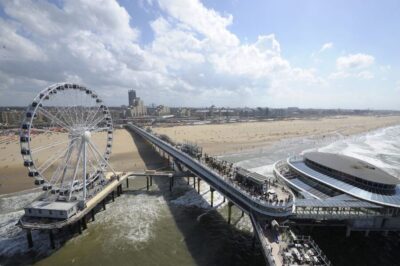 ★ 4.4The Hague: The Pier SkyView Ticket with Drink and SnackFrom $191,398 reviews
 ★ 4.4The Hague: Hop-on Hop-off Old-Fashioned Heritage Tram TourFrom $181,083 reviews
 ★ 4.6The Hague: Escher in The Palace Museum TicketFrom $15896 reviews
 ★ 4.0Rotterdam, Delft, the Hague, Madurodam from AmsterdamFrom $90793 reviews
Browse the lists this tour appears in