
REVIEW · THE HAGUE
The Hague: Prison Gate Museum
One grim doorway tells an entire court system. The Prison Gate Museum, Rijksmuseum de Gevangenpoort, is fascinating because you walk through the building that was once a gateway to the Binnenhof and later a prison and courthouse, and you can also see the historical torture and punishment instruments tied to Dutch justice. The tradeoff is that it is a self-guided visit, so you will want to be comfortable reading on-site and moving at your own pace.
I especially like that the museum turns big, scary ideas into concrete details, like which prisoners were held where and how verdicts and punishments worked in earlier centuries. You’ll also get a strong sense of place because it sits by the Hofvijver, in the same “old heart of government” area where the Binnenhof complex is right nearby. One consideration: if you want a live guide to explain everything step by step, this format is not built for that.
In This Review
- Key highlights to look for
- Prison Gate Museum at the Hofvijver: a building with real authority
- From gateway to courthouse to prison: the building’s timeline
- Cells, verdicts, and social status: how the museum explains the system
- Johan and Cornelis de Witt: Dutch history you can point to
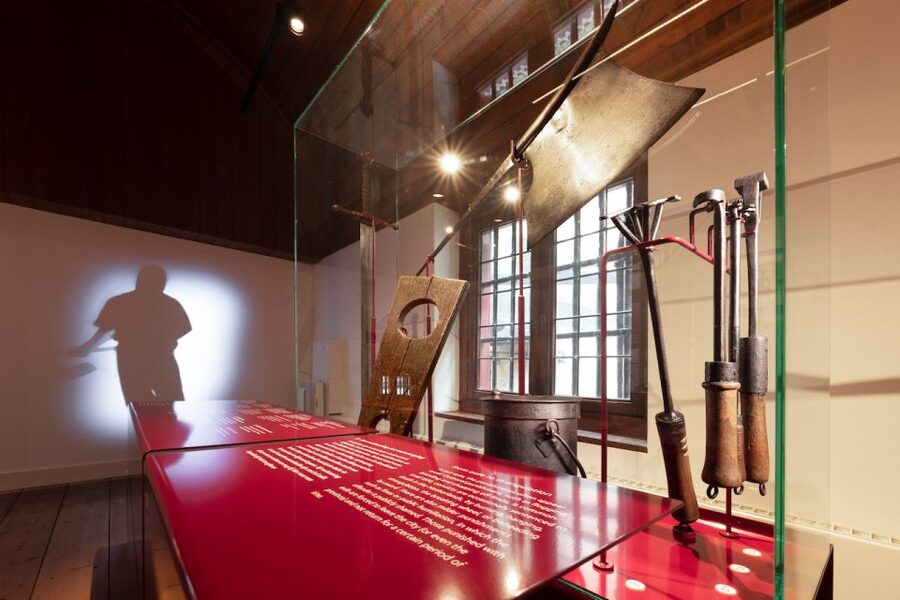
- Torture and punishment instruments: what you will see, and how to read it
- Price and value: is $18 worth your time?
- A practical way to plan your day in The Hague
- Who should book Rijksmuseum de Gevangenpoort?
- Should you book this Prison Gate Museum experience?
- FAQ
- Where is Rijksmuseum de Gevangenpoort located?
- How much does it cost?
- How long is the experience?
- Is there a guided tour included?
- What is included with the ticket?
- Does the museum include torture and punishment instruments?
Key highlights to look for
- Johan and Cornelis de Witt connections, including the famous murder case tied to the building
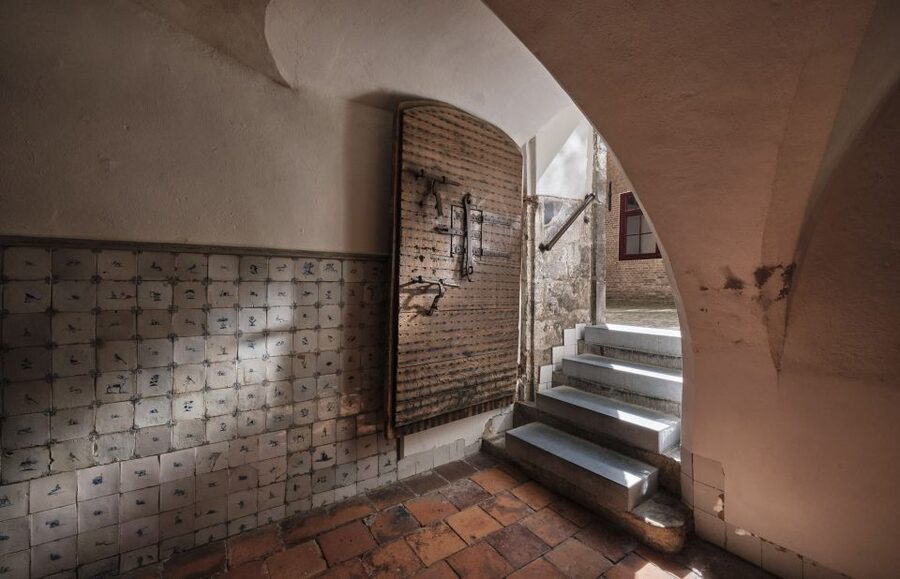
- Medieval prison cells in a monument that first served as a gateway to the Binnenhof
- National collection of torture and punishment instruments, shown as part of the crime-and-punishment story
- How trials worked, including how verdicts were delivered and where prisoners waited
- Differences between prisoners, including how status could affect treatment
- Hofvijver setting, making it easy to pair with other Binnenhof-area sights
More of The Hague, sea air included
- The Hague: City Canal Cruise★ 4.6 · 2,024 reviews
- The Hague: Madurodam Miniature Park Entry Ticket★ 4.6 · 1,559 reviews
- The Hague: Hop-on Hop-off Old-Fashioned Heritage Tram Tour★ 4.4 · 1,083 reviews
- The Hague: Escher in The Palace Museum Ticket★ 4.6 · 896 reviews
Prison Gate Museum at the Hofvijver: a building with real authority
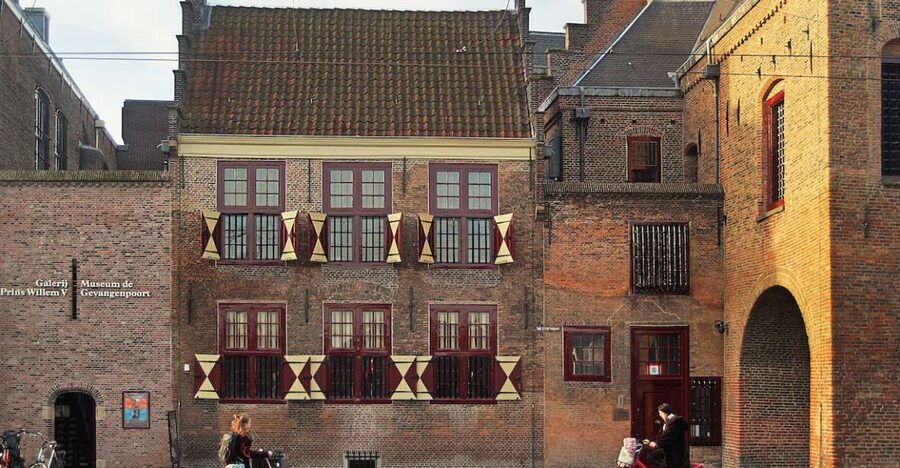
The Prison Gate Museum is not a generic museum that happens to show a prison theme. It is the prison itself, or at least the historic gate complex that later became part of the justice machine. Set on the Hofvijver, it has that classic Dutch “government district” feeling, where history is not locked behind glass. You can stand there and understand how authority was physically built into the city.
The first reason I think this place clicks is the scale of the experience. You are learning within a single, specific structure, and that makes the story feel tighter. The second reason is the museum’s focus on how the system worked, not just what crime looked like. You are encouraged to connect the dots: suspected criminals waiting for trial, defaulters being imprisoned, and the building serving as courthouse space when verdicts were at stake.
If you are sensitive to violent historical material, do go in with a heads-up. This museum includes torture and punishment instruments. The goal is education and context, not shock value, but the subject matter is still heavy. That is the one drawback to consider before you plan your day.
From gateway to courthouse to prison: the building’s timeline
Here is what makes the Prison Gate so powerful: it changed roles over centuries, and you can see how each role shaped what people experienced inside. In the 13th century, the building functioned as the imposing gateway to the Binnenhof. That matters, because a gate is not only a doorway. It is a filter. It sets the tone for who belongs where, and it signals power.
Later, the structure became part of the Hof van Holland, serving as both prison and courthouse. This is where you start to understand the Dutch system in a more practical way. The same powerful complex that oversaw judgments also held people while waiting. That link between trial and confinement is part of what the museum helps you grasp.
You will also notice how the museum frames imprisonment as a process with steps. Suspected criminals waited for trial. Others, such as defaulters, could end up imprisoned for failing to meet obligations. When you get this timeline in your head, the displays make more sense. Instead of a random set of cells and tools, it becomes a workflow of justice, punishment, and detention.
Cells, verdicts, and social status: how the museum explains the system
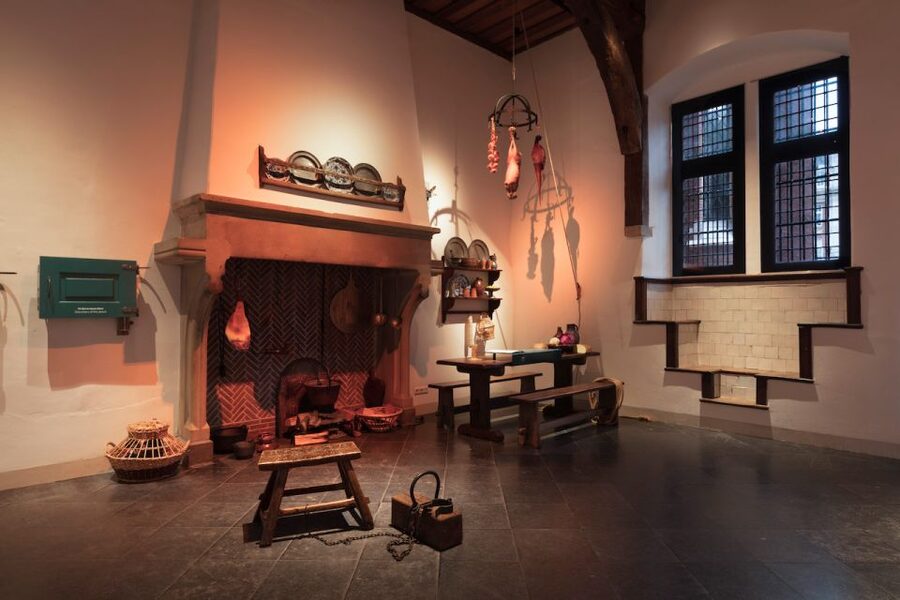
A big win of this museum is that it does not treat prison life as one-size-fits-all. The exhibits walk you through questions you would actually ask if you were learning this in real time. Where were people held? Was the experience the same for everyone? Where did they hear their verdict?
The museum specifically addresses the idea that there were differences between poor and rich prisoners. That is important, because it shifts the story away from pure sensationalism. You’re not just looking at bars and stones. You are learning how social status could affect what happened next.
You’ll also learn about the mechanics of judgment. The museum includes explanations of where verdicts were delivered and how punishments were carried out. Even if you only spend a portion of your day in The Hague’s old center, this helps you understand the legal culture that shaped everyday life.
Because this visit is without a guide, the best approach is to slow down. Follow the story in order, and let each answer lead to the next display. If you rush, you miss the cause-and-effect structure that makes the museum feel coherent.
Johan and Cornelis de Witt: Dutch history you can point to
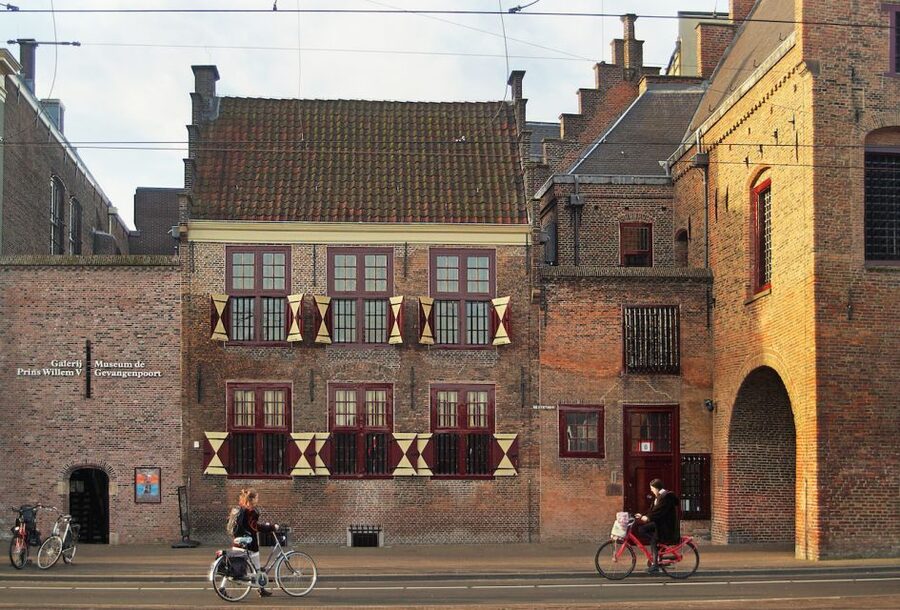
One of the clearest reasons to choose the Prison Gate Museum is its connection to famous Dutch figures. The museum ties the building to major events and notable prisoners, including Johan and Cornelis de Witt. That is a level of historical seriousness that feels different from a general “crime in history” exhibit.
You also get a reference to the murder of the De Witt brothers, which became one of those moments that people remember because it sits at the intersection of politics, power, and justice. When you place that event against the physical rooms of the prison and courthouse, the story stops being abstract.
I like how this history is not presented as a stand-alone trivia fact. It is braided into the bigger picture of crime and punishment. That means you can learn a headline story and still understand what the system did to real people within those walls.
If you enjoy historical landmarks tied to specific individuals, this is likely one of the most satisfying stops in The Hague for you. The museum gives you names, and the building gives you location.
Other collections in The Hague worth an afternoon

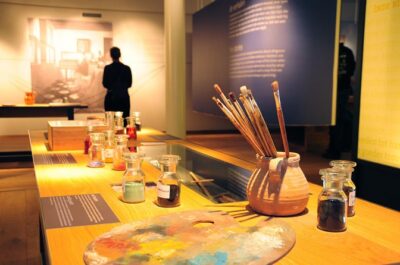


Torture and punishment instruments: what you will see, and how to read it
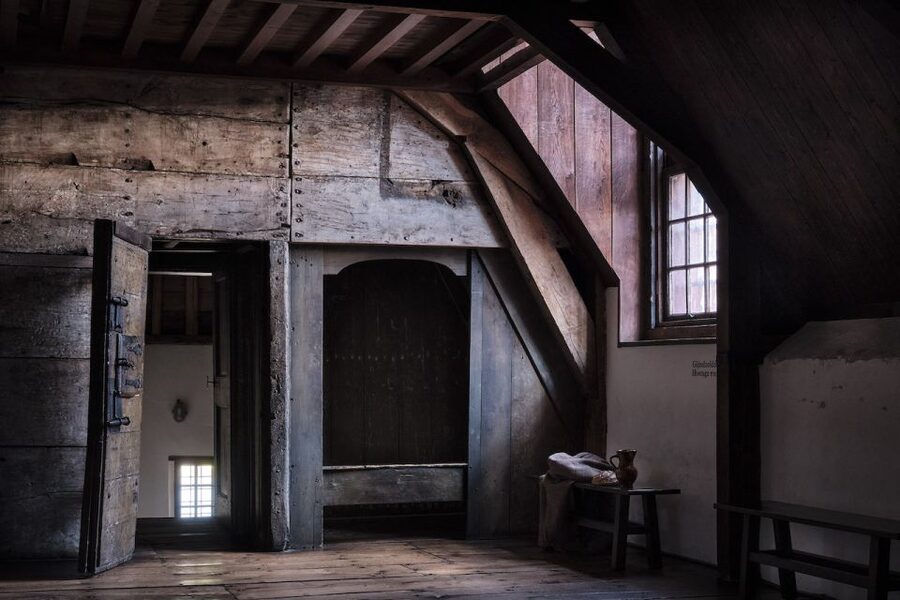
This museum includes a national collection of torture and punishment instruments. So yes, you may encounter objects that are hard to look at. But the key is that they are presented as part of the story of how punishment worked, not as a random display of cruelty.
To handle this well, I recommend you do two things. First, keep your expectations educational, not entertainment-based. Second, use the displays to answer the “how” questions the museum prompts: what purpose these tools served and how they fit into the wider justice process.
The museum also aims to show the centuries-old prison cells and the instruments connected to torture. That combination can be intense, because you are seeing both environment and method. The value is that you can understand the logic of punishment from a historical viewpoint, even while recognizing that it is grim.
If you are visiting with kids or teens, consider your family comfort level. You know best how your group handles dark historical topics. For some families, a short, focused visit with breaks works well. For others, it is too much.
Price and value: is $18 worth your time?
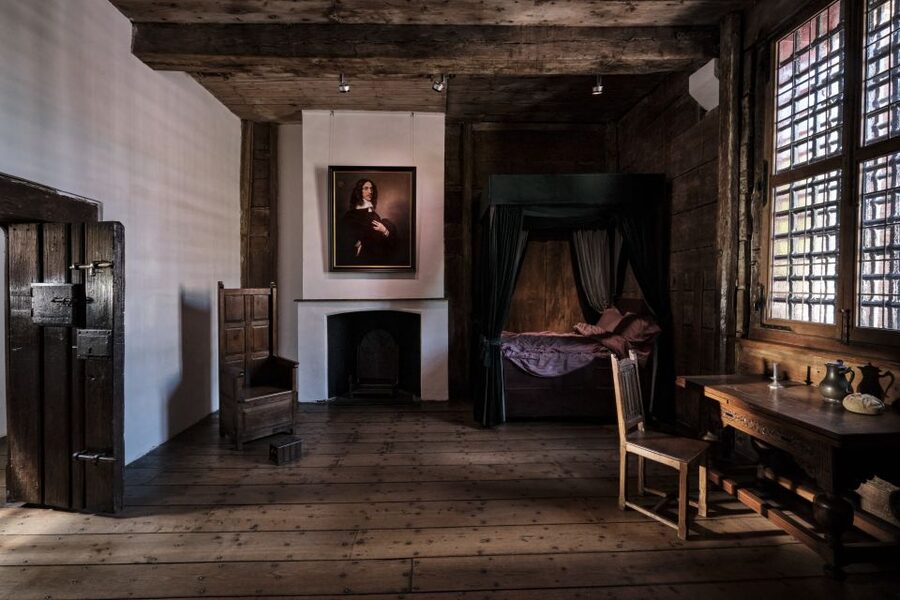
At $18 per person, the Prison Gate Museum is priced like a focused, single-building attraction. You are paying for entry to a specific landmark, not for a long production or a bundled city pass.
What makes the value feel solid is what you get inside the ticket package. Entry covers your access to the museum experience, plus wifi and a wardrobe. That wardrobe detail sounds small, but in practice it is useful if you are traveling with a backpack you want to store safely while you walk the exhibits.
Also, the museum is self-guided, meaning you are not paying for a separate guided service. Some people love having a guide, but self-guided can be great value if you like setting your own pace. You can spend extra time on the De Witt connections, linger in the cell areas, or concentrate on the torture and punishment instruments, depending on what you want most from the visit.
One more value angle: it is designed around big questions that help you understand legal history. If you like context, the $18 can feel less like “a ticket” and more like paying for real comprehension.
A practical way to plan your day in The Hague
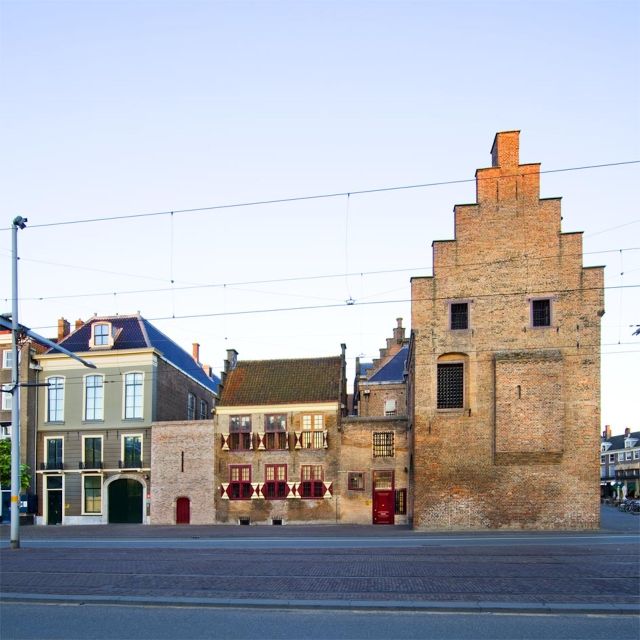
Because this museum is in the Binnenhof area, it naturally fits into a historic-center day. The Prison Gate Museum’s position on the Hofvijver is a big clue: you can make it part of an older-government loop where you walk between notable buildings without a lot of backtracking.
Here’s a smart planning approach:
- Start with the Prison Gate Museum when you still have energy to process the heavier parts of the story.
- Pair it with nearby Binnenhof-area sights so the location theme feels consistent all day.
- Build in a moment to step out and reset afterward, especially if you found the torture and punishment instruments hard to absorb.
Food and drinks are not included, so if you plan to make it a full-day outing, grab a snack nearby or plan your meals around the museum stop. Also, since it is without a guide, wear comfortable shoes and give yourself time to read and look. You do not want to feel hurried in a place built around details.
Who should book Rijksmuseum de Gevangenpoort?
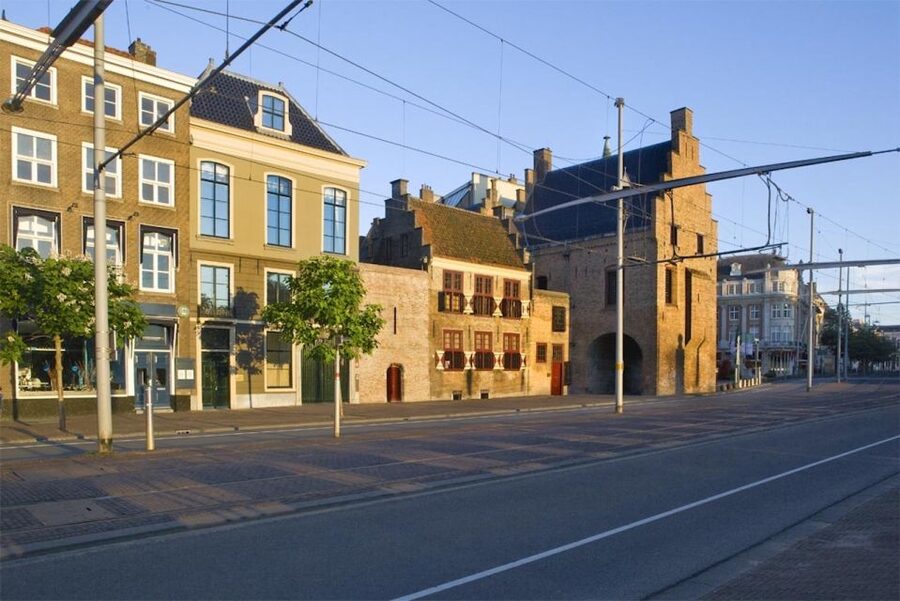
This is a great fit if you want history tied to a specific place, with names and concrete spaces. You’ll probably enjoy it most if you like:
- Dutch history connected to real political figures like Johan and Cornelis de Witt
- Court and prison history as a system, including verdicts, cells, and punishments
- Museums where the setting matters as much as the objects
- A self-guided format where you choose what to linger on
It may be less satisfying if you strongly prefer guided tours to explain context in real time, because this experience is explicitly without a guide. It is also worth thinking twice if you know you are not comfortable with displays related to torture and punishment.
Should you book this Prison Gate Museum experience?
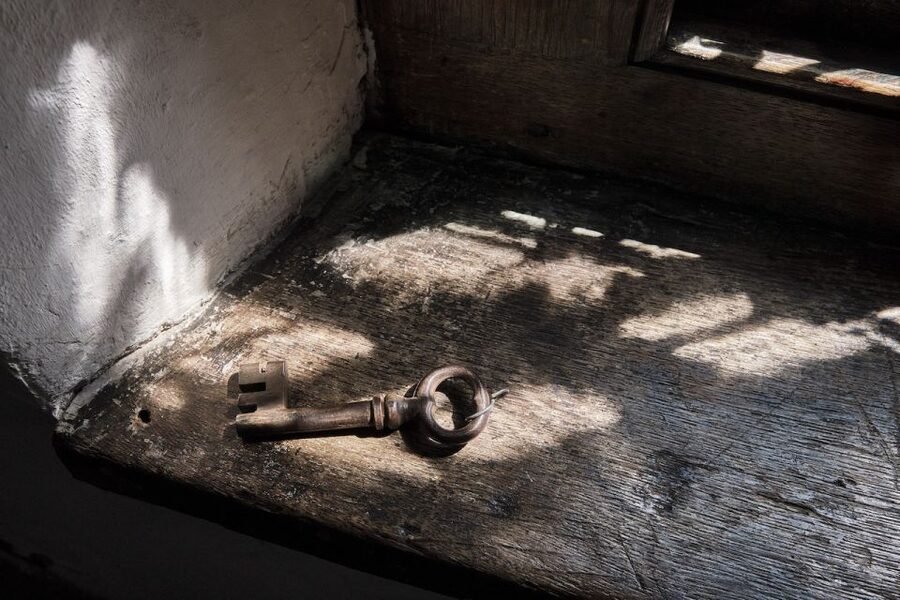
I’d book it if you want a meaningful The Hague stop that feels grounded in real architecture and real events. For $18, you get a focused museum in a historic monument that spans gateway, courtroom, and prison in one story arc. The De Witt connections and the cell-and-instrument setup make it more than a theme exhibit.
Book it with the right mindset: this is education about crime and punishment, and some of the material is heavy. If you are ready for that, you’ll likely leave with a clearer understanding of how justice operated in earlier Dutch centuries, right where it happened.
FAQ
Where is Rijksmuseum de Gevangenpoort located?
It is in The Hague, in South Holland, Netherlands, and it is beautifully situated by the Hofvijver.
How much does it cost?
The price is listed as $18 per person.
How long is the experience?
It is labeled as a 1 day experience.
Is there a guided tour included?
No. This activity is without a guide.
What is included with the ticket?
The ticket includes entry, wifi, and a wardrobe.
Does the museum include torture and punishment instruments?
Yes. The museum includes a national collection of torture and punishment instruments.
Dutch Collections Worth a Slow Afternoon





Also Reviewed Around The Hague




The Hague and the Sea
Fresh off the review pile in The Hague
- Private Tour of Vermeer’s Delft + Tickets to Vermeer Museum
★ 5.0 · 3 reviews - Private Tour of Rotterdam and The Hague including Transfer
★ 5.0 · 3 reviews - Surfing at The Shore in The Hague
★ 4.5 · 3 reviews - 3 Course Walking Dinner in Delft with Guided Tours in Between
★ 5.0 · 3 reviews - Surprise Walk of The Hague with a Local
★ 4.5 · 3 reviews
The Hague & Scheveningen, compared.
 ★ 4.7The Hague: Mauritshuis Entrance TicketFrom $252,706 reviews
 ★ 4.6The Hague: City Canal CruiseFrom $172,024 reviews
 ★ 4.2From Amsterdam: Rotterdam, Delft & The Hague Guided Day TourFrom $901,765 reviews
 ★ 4.6The Hague: Madurodam Miniature Park Entry TicketFrom $241,559 reviews
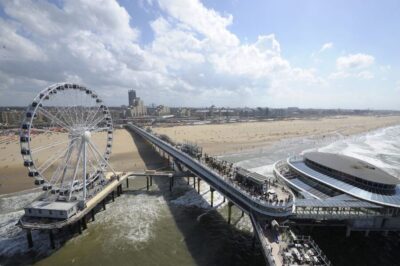 ★ 4.4The Hague: The Pier SkyView Ticket with Drink and SnackFrom $191,398 reviews
 ★ 4.4The Hague: Hop-on Hop-off Old-Fashioned Heritage Tram TourFrom $181,083 reviews
 ★ 4.6The Hague: Escher in The Palace Museum TicketFrom $15896 reviews
 ★ 4.0Rotterdam, Delft, the Hague, Madurodam from AmsterdamFrom $90793 reviews
Browse the lists this tour appears in