
REVIEW · VOLENDAM
Volendam: 2.5-Hour Cheesemaking Workshop & Clog Making Tour
Cheese in the making feels oddly satisfying. In Volendam, this 2.5-hour workshop pairs Dutch cheesemaking with a clog factory tour, so you get two hands-on crafts in one stop.
I love the structured pace, from raw milk to mixing, heating, and pressing, then finishing with tastings. I also like that your downtime while the cheese presses turns into a real look at wooden shoe making, from older styles to modern clogs.
Here’s the main thing to consider: this is about making a young farmer’s cheese, not a full start-to-finish deep dive into classic long-ripened Gouda. If you’re planning to travel right after, plan carefully for how you’ll carry a perishable take-home cheese.
In This Review
- Key Things You’ll Remember About This Workshop
- Simonehoeve in Katwoude/Volendam, and Why the Setting Matters
- From Raw Milk to Your Own Young Farmer’s Cheese
- What kind of cheese are you making?
- Where the hands-on feeling can vary
- The skill you really gain
- Pressing Time Turns Into a Wooden Clog Factory Tour
- Why this pairing works
- Shop Tastings: Gouda, Edam, Stroopwafel, and Dutch Fruit Wine
- How to make tastings more useful
- Taking Your Homemade Cheese Home Without Ruining It
- Packing and travel reality check
- Price and Time: Is $145 Worth It for a 2.5-Hour Tour?
- Who this tour is best for
- Languages, Guide Style, and What You Can Expect From the Teaching
- Should You Book Simonehoeve’s Cheese and Clog Workshop?
- FAQ
- Where is the meeting point for this workshop?
- How long is the Volendam cheese and clog tour?
- How much does the tour cost?
- What do I get to take home?
- Is the milk used for the cheese pasteurized?
- Do you also tour a wooden clog factory?
- What tastings are included during the visit?
- How do I get there from Amsterdam using public transport?
- Is this experience wheelchair accessible?
- What options do I have if I need to change plans?
Key Things You’ll Remember About This Workshop
- You get a real cheesemaking sequence (mixing, heating, pressing) rather than just a showroom talk.
- Your take-home cheese is part of the point since you make a young cheese and can eat it right away or ripen it later.
- Clog making happens while your cheese presses, so the schedule feels efficient.
- You tour a wooden shoe factory where you see the range from historical to modern clogs.
- Tasting is baked into the visit with Dutch biscuits like stroopwafel, cheeses like Gouda and Edam, and Dutch fruit wine.
- Raw, non-pasteurized milk is involved, so it’s worth being comfortable with that if you have dietary concerns.
The old harbour towns, a few more ways in
- Volendam: Traditional Costume Photo with Cheese & Clog Tour★ 4.5 · 151 reviews
- Volendam: Stroopwafel Experience with Tasting★ 3.6 · 93 reviews
- Volendam: Photo Opportunity in Traditional Dutch Costume★ 4.3 · 62 reviews
- Volendam: Bike Rental including Highlights-Routes★ 4.7 · 56 reviews
Simonehoeve in Katwoude/Volendam, and Why the Setting Matters
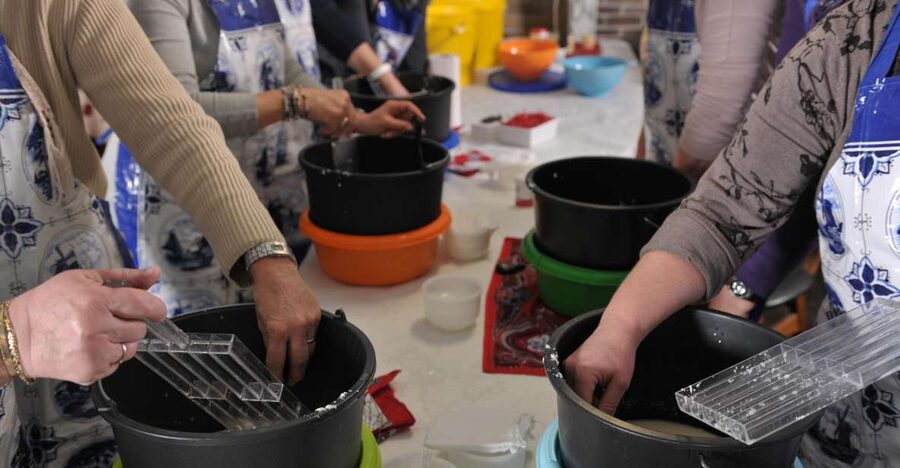
This workshop takes place at Simonehoeve, a cheese and clogs stop with a restaurant side too, just outside Volendam in North Holland. The meeting address is Wagenweg 2, 1145 PW Katwoude/Volendam. The whole place feels built for craft and tradition, not a generic tourist performance.
The big practical win is the pairing. You’re in the same complex for cheesemaking and wooden shoe education, which keeps the trip tight and keeps you from bouncing around town. If you’re basing yourself in Amsterdam, you can still do this as a half day without it turning into a travel marathon.
If you’re coming from Amsterdam by public transport, take bus 316 from Amsterdam CS (IJzijde). Tickets are available at the station or from the bus driver, and they note no cash is accepted. You’ll find the cheesefarm and clog factory within a couple of meters of the Hotel Volendam stop. You should recognize it by a mini-windmill nearby.
Also, they strongly suggest arriving somewhere between 9:00 AM and 3:00 PM. That matters because the workshop timing is only 2.5 hours, so showing up late can mess with the flow of pressing, tours, and tastings.
From Raw Milk to Your Own Young Farmer’s Cheese
The cheesemaking part is the heart of the experience, and it starts with the simplest ingredients in cheese terms: milk from local cows. The notes specifically call out raw, non-pasteurized milk as the main ingredient of the cheeses you’ll be making. If that’s a dealbreaker for your diet, skip this one.
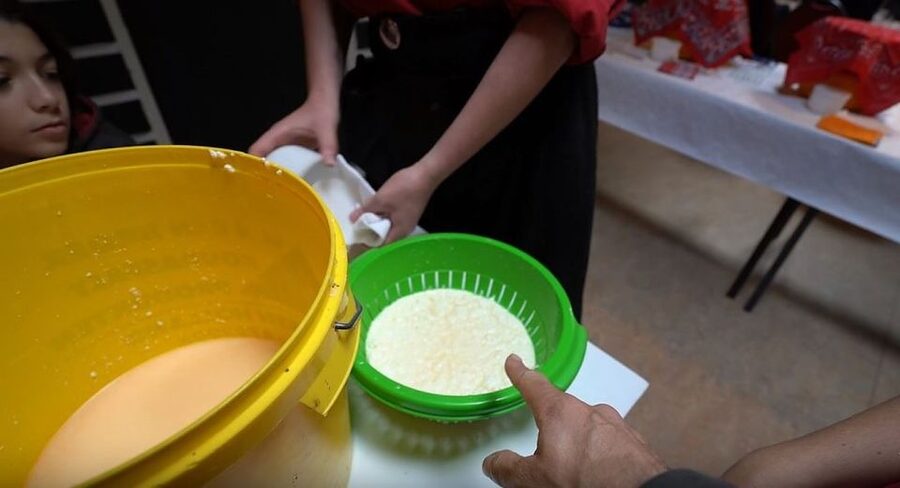
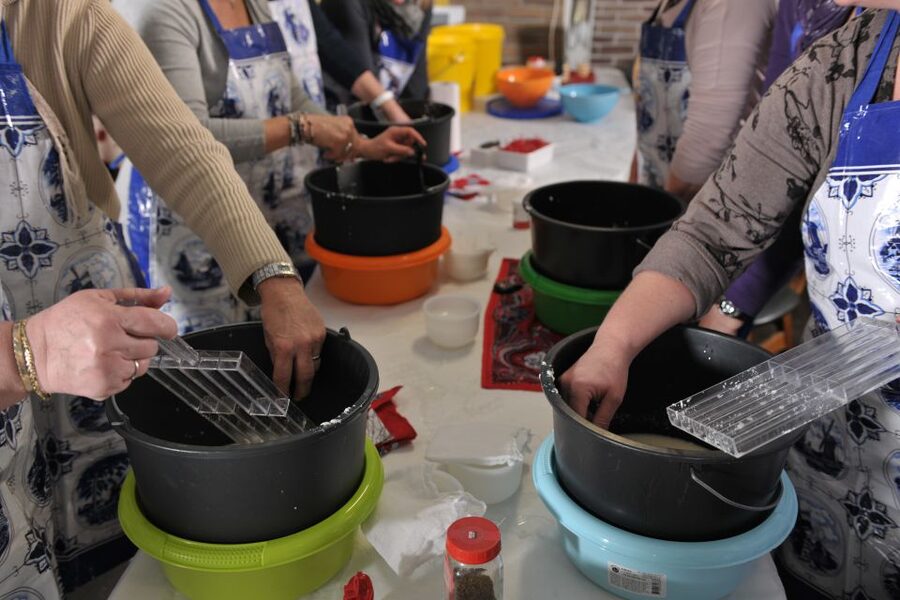
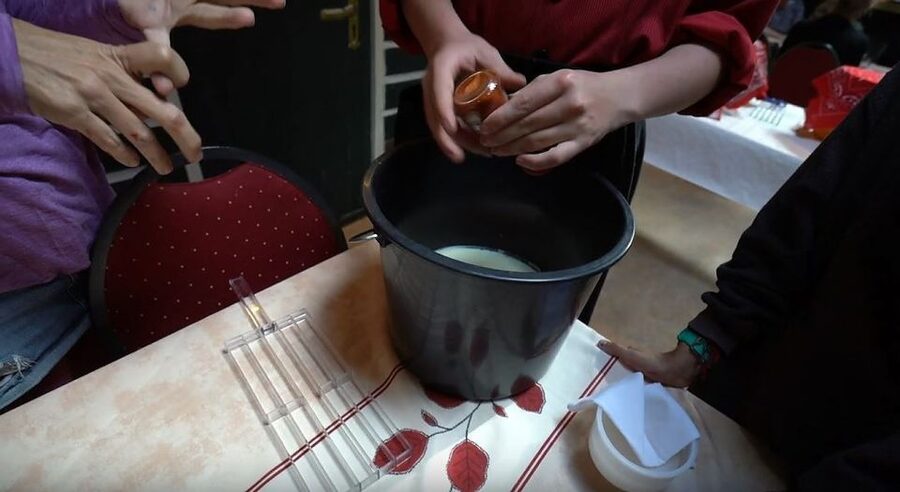
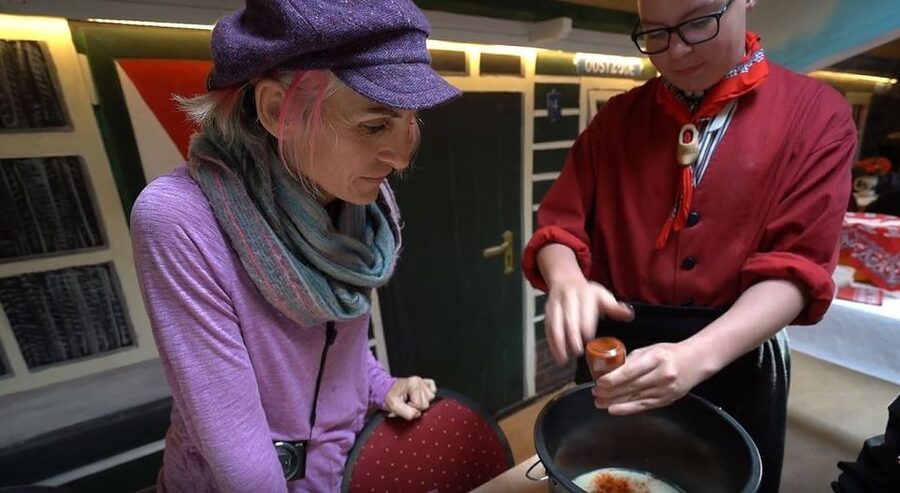
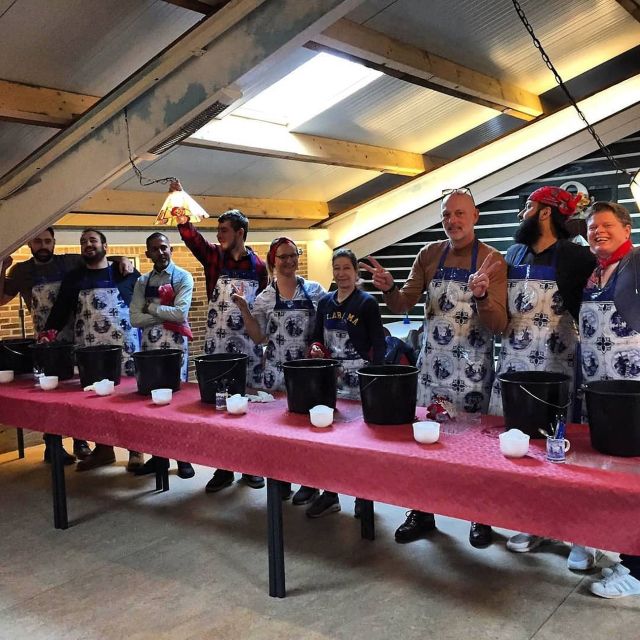
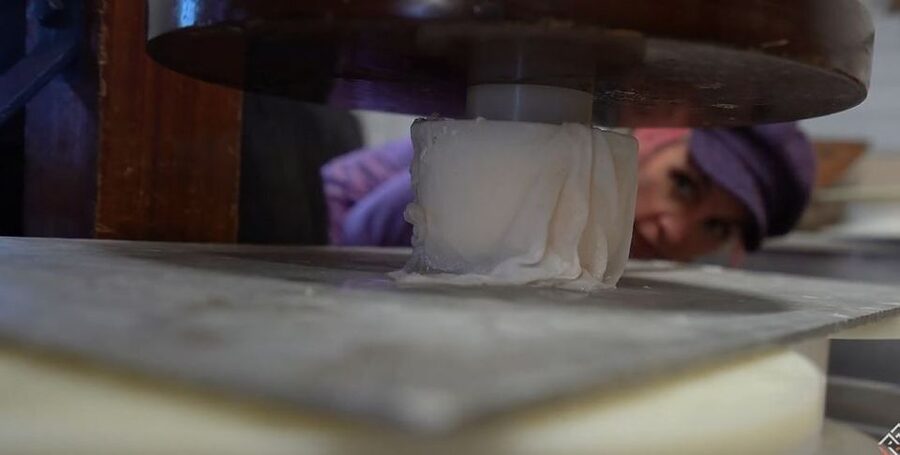
Once you’re set up, you follow the process step by step. The flow described is classic: mixing, heating, pressing, and then eating, because cheese without tasting would be a missed opportunity. You’ll also learn what each step is doing, not just repeat motions.
What kind of cheese are you making?
You’re making a young cheese. That detail is important for your expectations at the table and later at home. Young cheese is described as being vacuumed and eaten directly, or ripened at home using their suggested plastic wrap method (they mention liquid plastic as a cover around the cheese).
In other words, you are not being positioned as a student who will produce an aging masterpiece over months. You’re making something you can actually enjoy soon, which is a better fit for a 2.5-hour class.
Where the hands-on feeling can vary
One review flagged a mismatch between expectations and what they experienced, specifically mentioning that they did not feel taught Gouda. That doesn’t mean the workshop is “bad,” but it does mean you should go in with the right mindset.
This is a guided workshop where the process moves along on a schedule. If you truly want every step of a specific cheese style, you might need to ask ahead what parts are hands-on versus demonstrated. Based on the description, the goal is to make your own young farmer’s cheese and bring it home, not to train you into a full Gouda production workflow.
Cheese, clogs, syrup waffles: keep tasting your way through Volendam
The skill you really gain
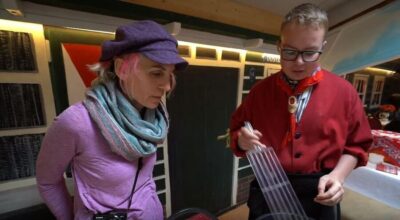
Even if you don’t walk away as the next Dutch cheesemonger, you’ll learn the logic of cheesemaking. Mixing and heating aren’t random steps. Pressing is where the shape and texture come from. Once you’ve seen those stages, tasting makes more sense. You stop thinking cheese is magic and start thinking cheese is time, temperature, and careful handling.
Pressing Time Turns Into a Wooden Clog Factory Tour
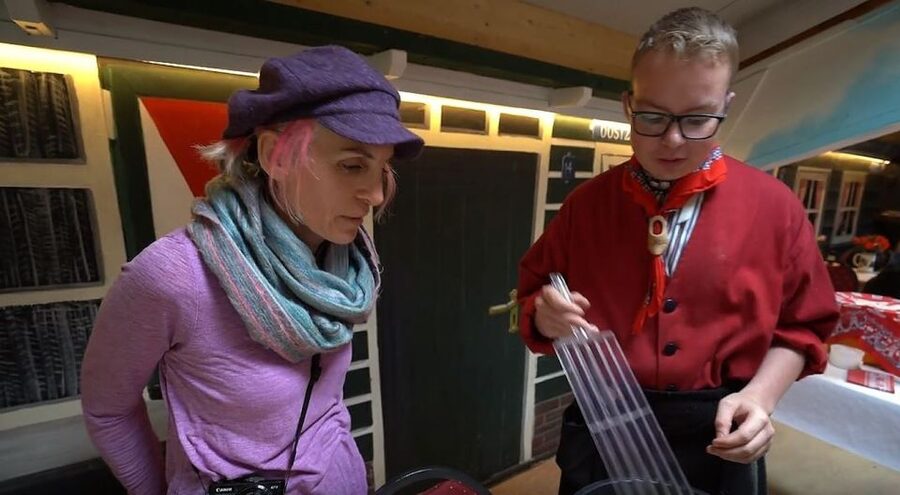
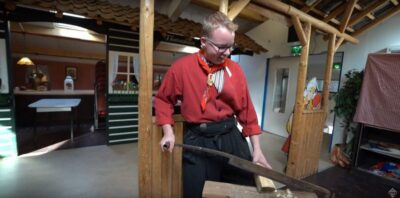
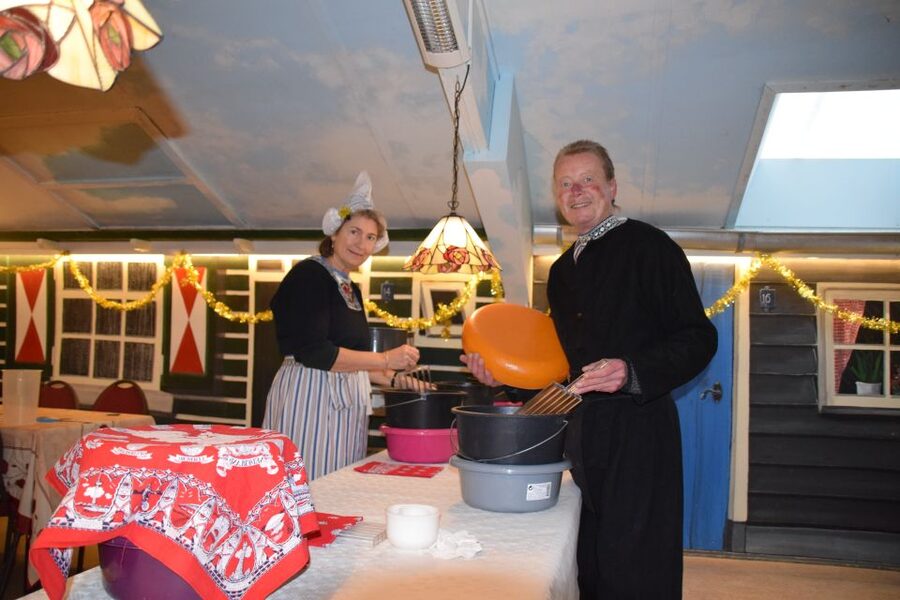
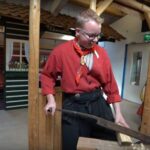
Here’s how the schedule stays fun instead of exhausting: while your cheese is being pressed, you shift gears. You get a guided tour through a wooden shoe factory, and the topic is clogs, or wooden shoes.
You’ll see the variety of clogs from historical to modern day styles. It’s not just “here are old shoes.” The point is to understand how a chunk of wood becomes footwear. The description also notes a chance to learn how to turn a piece of wood into clogs, which usually translates to a mix of explanation and demonstration.
One review highlighted an old fashioned demonstration and praised how the breaks during cheesemaking let them do tasting and then see the shoe-making side. That tells you the pacing is designed to keep you engaged. You’re not standing around waiting for someone to tell you the next step.
Why this pairing works
If you’ve only done a cheese tasting, it can feel like cheese is something you buy, not something you make. If you’ve only done a clog museum, it can feel like clogs are just nostalgia. Combining them gives you a bigger picture of rural Dutch craft thinking: hands, tools, timing, and materials.
Even if clogs are not your personal passion, the experience is a reminder that “everyday” items often have real technical skill behind them.
Shop Tastings: Gouda, Edam, Stroopwafel, and Dutch Fruit Wine
After the making and the factory tour, you shift into the tasting section. The workshop includes tastings of the real Dutch cheeses you associate with the region: Gouda and Edam. This is the moment where you get to connect what you made with what the area is known for.
You’ll also taste Dutch biscuits like stroopwafel. Stroopwafel is one of those snacks that sounds simple until you try a fresh one, with caramel syrup inside the waffle layers. The experience also includes Dutch fruit wine.
One practical note: the tour description says additional drinks and food are not included. That means you should assume the tastings are part of the program, but if you want extra beverages beyond what they provide in the tasting setup, you’ll likely pay on site.
How to make tastings more useful
If you’re the type who likes to learn by comparing, take a moment before you start tasting to decide what you want to notice. Texture (soft versus firm), salt level, and aroma are the easiest to track. Since you made a young cheese, pay attention to how it tastes compared with the Gouda and Edam you’re sampling. That contrast helps your brain lock in the difference between young and aged profiles.
Taking Your Homemade Cheese Home Without Ruining It
Your homemade cheese is included, and it’s the item with the biggest impact on whether your day feels like a win or a hassle after. The description says the young cheese can be vacuumed and eaten directly, or ripened at home using the suggested plastic cover method.
That means you have two potential paths:
- Eat it soon after the workshop, ideally once it has settled and you can keep it chilled.
- Vacuum pack it and ripen it at home with their method.
Packing and travel reality check
One review mentioned the cheese being ruined after traveling, and they described having to put it in a suitcase. That’s the warning bell I want you to hear early. Real dairy does not like rough handling, temperature swings, or being compressed under other items.
So before you book, ask yourself how you’ll carry it. If you’re leaving the Netherlands right after your tour, build in extra handling time and consider whether your luggage setup is a good fit for a vacuumed cheese pack. If you’re staying locally and have a refrigerator at home base, you’ll likely feel more relaxed about it.
If you want, you can also plan your day around it. Doing this early gives you more time to eat or store properly before the next leg of your trip.
Price and Time: Is $145 Worth It for a 2.5-Hour Tour?
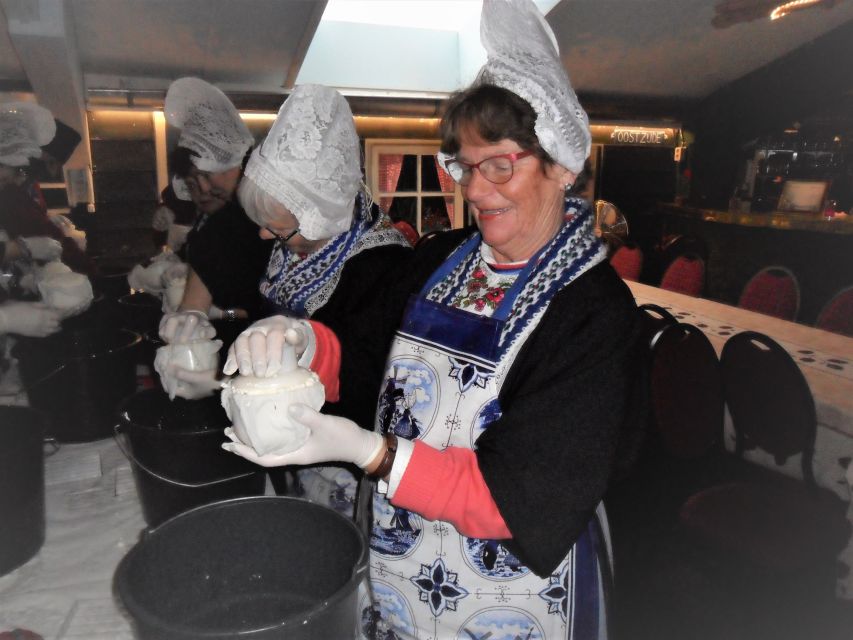
At $145 per person for 2.5 hours, this isn’t a bargain craft session. But it also isn’t just a tasting. You’re paying for guided cheesemaking, a tour of a wooden clog factory, and tastings, plus a take-home cheese.
The value math usually works best when you want more than one experience. Here, you’re getting:
- a real hands-on cheese process culminating in a take-home item
- a structured tour through a clog workshop
- tastings that connect local products to what you made
That “two trades in one outing” angle is what makes the price feel easier to justify, especially if you’re not planning to do separate cheese and clog visits that day.
Private group is also listed. The notes say private group and wheelchair accessible, which can matter if you want a calmer pace and easier interaction with the instructor. If you’re traveling with someone who gets impatient with long group tours, a private setup can make the experience smoother.
Who this tour is best for
I think this is a great match if you:
- want hands-on craft over pure museum time
- like food learning where you connect process to taste
- enjoy Dutch regional culture beyond Amsterdam-style sights
- will actually eat or store cheese soon after
It’s less ideal if you:
- expect a strict, fully hands-on Gouda production class from start to finish
- can’t manage the logistics of carrying a perishable take-home item
- only want a quick tasting with no craft time
Languages, Guide Style, and What You Can Expect From the Teaching
The instructor languages listed are Spanish, Dutch, English, French, German, and Italian. That’s a big practical plus if your group includes mixed language speakers.
One review specifically named a guide named Fred, calling him entertaining and fun. Another review praised the guidance and the way the breaks built in tasting and clog demonstrations. So while experiences can vary in how much each person does versus watches, the overall teaching tone seems aimed at making craft understandable and enjoyable.
What you can do to get the most out of it is simple: come curious. Ask the instructor why the steps change the cheese. If you’re wondering how young cheese will behave, ask how they suggest ripening at home using their plastic cover method.
Should You Book Simonehoeve’s Cheese and Clog Workshop?
I’d book it if you want a short, focused craft day with clear structure. The standout value is the pairing: you make cheese, then learn the clog process while the cheese presses. You also leave with something edible that actually ties to the day.
I’d skip or reconsider if you’re expecting a full Gouda class and you need a stress-free travel plan for the cheese. The take-home item is part of the deal, so make sure you can handle it after the workshop.
If you’re traveling in a car and can store the cheese properly, or if you’ll be in the Netherlands for a bit afterward, this is the kind of experience you can feel satisfied about long after you leave Volendam.
FAQ
Where is the meeting point for this workshop?
You meet at Simonehoeve, Wagenweg 2, 1145 PW Katwoude/Volendam.
How long is the Volendam cheese and clog tour?
The total duration is 2.5 hours.
How much does the tour cost?
The price is $145 per person.
What do I get to take home?
You take home a homemade cheese.
Is the milk used for the cheese pasteurized?
No. The information notes that raw, non-pasteurized milk is the main ingredient of the cheeses you’ll be making.
Do you also tour a wooden clog factory?
Yes. While the cheese is being pressed, you get a guided tour through the wooden shoe factory, with clogs shown from historical to modern styles.
What tastings are included during the visit?
You can taste Dutch cheeses like Gouda and Edam, Dutch biscuits such as stroopwafel, and Dutch fruit wine.
How do I get there from Amsterdam using public transport?
Take bus 316 from Amsterdam CS (IJzijde). You can buy tickets at the station or from the bus driver, and no cash is accepted. The cheesefarm and clog factory are a couple of meters from bus stop Hotel Volendam, recognized by a mini-windmill.
Is this experience wheelchair accessible?
Yes, the tour is wheelchair accessible.
What options do I have if I need to change plans?
You can cancel up to 24 hours in advance for a full refund. There is also a reserve now & pay later option, so you can book your spot without paying today.
If you tell me your travel dates and whether you’re coming from Amsterdam by bus or train, I can suggest a good time window and how to plan your route around the 9:00 AM to 3:00 PM arrival guidance.
Also Reviewed Around Volendam
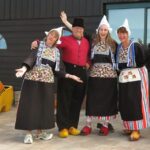
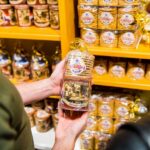
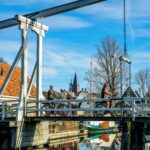

Cheese, Clogs and Syrup Waffles
The Harbour Towns, Revisited
Fresh off the review pile in Volendam
- Volendam: Volendams Museum Entry Ticket
★ 4.4 · 14 reviews - Volendam: 2-Hour Clogmaking Workshop and Cheese Tour
★ 3.9 · 17 reviews - Volendam: 2.5-Hour Cheesemaking Workshop & Clog Making Tour
★ 4.5 · 17 reviews - Volendam: E-Bike Rental including Highlights-Routes
★ 4.9 · 23 reviews - Volendam: E-Fatbike Rental
★ 4.4 · 26 reviews
Volendam, Marken & Edam, compared.
 ★ 4.4From Amsterdam: Zaanse Schans, Volendam, and Marken Day TripFrom $4315,931 reviews
 ★ 4.6Amsterdam: Zaanse Schans, Edam, Volendam & Marken Bus TourFrom $3215,034 reviews
 ★ 5.0Day Trip to Zaanse Schans, Edam, Volendam and Marken from AmsterdamFrom $455,392 reviews
 ★ 4.0Windmill Tour from Amsterdam, Including Volendam & MarkenFrom $374,572 reviews
 ★ 4.8From Amsterdam: Zaanse Schans, Edam, & Marken Full-Day TripFrom $353,414 reviews
 ★ 4.6Amsterdam: Zaanse Schans windmills & Volendam Guided TourFrom $391,893 reviews
 ★ 4.5Zaanse Schans, Edam, Volendam and Marken TourFrom $401,471 reviews
 ★ 4.3Marken, Volendam, and Edam Full-Day Tour from AmsterdamFrom $45829 reviews
Browse the lists this tour appears in