
REVIEW · AMSTERDAM
Amsterdam: Historic Tram Ride on Heritage Line to Amstelveen
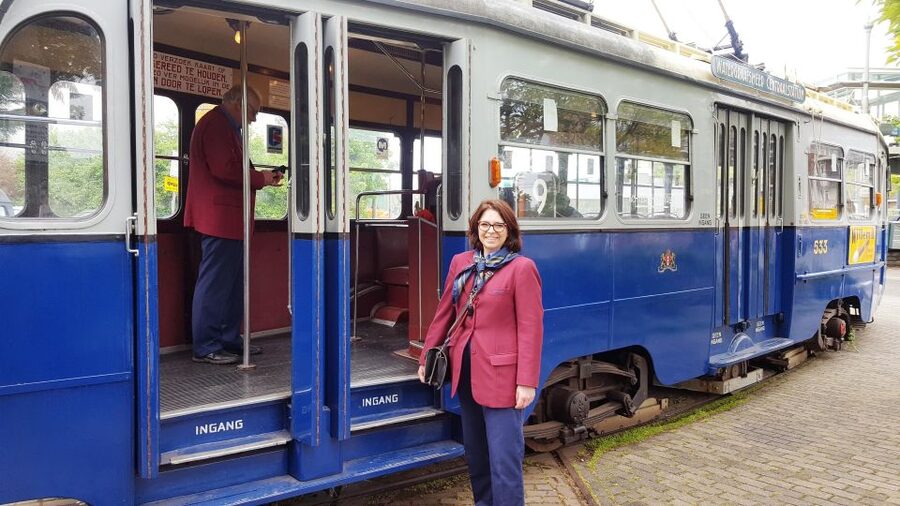
A tram ride that feels like rewind. You get a restored historic tram on the Lijn 30 line, and I love the hands-on period touch of ticket punching by the conductor, with the whistle, bell, and tram hum in the background. The track is over 100 years old and the roundtrip runs between Haarlemmermeerstation in Amsterdam and Amstelveen, but you may find parts of the route visually quiet, since the main appeal is the tram experience itself.
The best part for value is that you are paying just $9 for a full return ride that can also include stop time at lake Bosbaan and nearby sights. You start by exchanging your ticket in the Tramshop at Haarlemmermeerstation, then you are guided to the tram and can choose when to hop off and reboard. If you are hoping for nonstop big sights every minute, plan to enjoy the ride first and the scenery second.
In This Review
- Key things I’d plan around on this heritage tram ride
- Why the Lijn 30 tram ride feels authentically old-school
- Getting started at Haarlemmermeerstation and the Tramshop exchange
- The on-board experience: conductor, whistle, bell, and ticket punching
- The route in plain terms: Amsterdam to Amstelveen, then back again
- Stop-by-stop: what each Amstelveen stop is good for
- Olympic Stadion stop: stretch your legs and reset
- Amsterdam Forest stop: a calmer pace from the tram seat
- Lake Bosbaan stop: water views without overplanning
- Heemtuinen wildlife garden stop: nature time with a guided cue
- Old Village stop: redbrick buildings and a more compact feel
- What makes the heritage operation itself memorable
- Practical tips that make the hour smoother
- Value for money: does $9 buy enough here?
- Who this tram ride is for, and who it is not
- Should you book this heritage tram ride to Amstelveen?
- FAQ
- How long is the Amsterdam historic tram ride to Amstelveen?
- Where do I meet for the heritage tram ride?
- What is included in the price?
- How much does it cost?
- Can I get off at stops along the way?
- What old-fashioned features are part of the experience?
- Do they provide food or drinks on board?
- What language is the host or greeter?
- Is smoking or alcohol allowed on the tram?
- Is this ride suitable for wheelchair users or for people with motion sickness?
Key things I’d plan around on this heritage tram ride
- Conductor-led theater of departure: whistle, bell, and ticket punching make it feel real, not staged
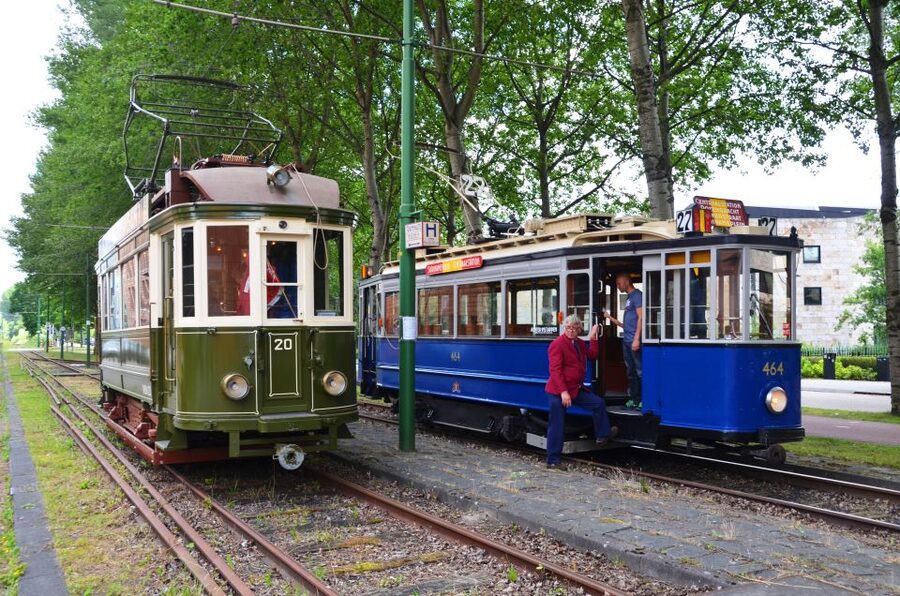
- Fully restored Lijn 30 tram car: the vehicle looks and sounds like something from the past
- Historic over-100-year track: you are riding on a heritage line, not a modern route
- Choice of stops near Amstelveen: Olympic Stadion, Amsterdam Forest, lake Bosbaan, Heemtuinen, and the Old Village
- Old-school crossing safety cues: red flags are used at crossings
- A terminus turnaround moment: you may temporarily exit or switch vehicles before the return
More of the older layers of Amsterdam
- Amsterdam Food and Cultural Tour with Tastings★ 5.0 · 2,442 reviews
- Amsterdam: Haunted History and Ghost Walking Tour★ 4.5 · 488 reviews
- Amsterdam High-End Dutch Food & History Tour – Up to 8 guests★ 5.0 · 482 reviews
- Amsterdam: Historic City Sightseeing Canal Cruise★ 4.5 · 444 reviews
Why the Lijn 30 tram ride feels authentically old-school
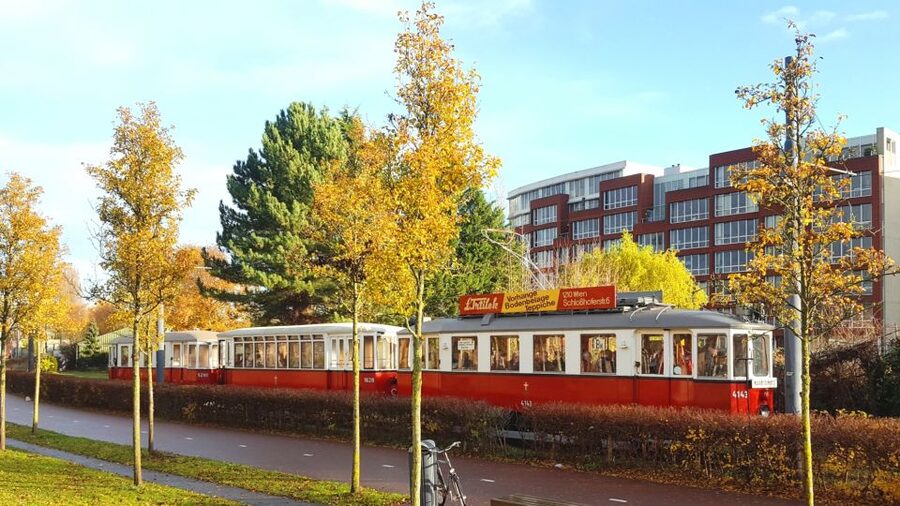
This is one of those experiences where the details are the whole point. You ride a heritage Lijn 30 tram that is fully restored and maintained, then the conductor helps run the moment in a classic way, including your ticket getting punched.
I particularly like that you hear everything. The conductor blows a whistle and rings the bell when it is time to go, and the tram has that steady hum you only notice once you stop thinking about getting from A to B and start listening.
Getting started at Haarlemmermeerstation and the Tramshop exchange
Your trip begins at Haarlemmermeerstation. First, you exchange your ticket in the Tramshop, and then you are guided from there to the trams.
This sounds simple because it is simple, but it helps you avoid the most common first-time stress in Amsterdam transit areas, which is wandering around looking for the right platform or vehicle. Once you are guided to the correct tram, the experience locks in quickly, and the period vibe takes over.
The on-board experience: conductor, whistle, bell, and ticket punching
If you like small rituals, you will get a kick out of this. You will board the historic tram, and then the conductor punches your ticket as you get ready to depart.
From there, you get the classic sounds and pacing. Stops are called out so you can decide on the spot whether you want to stay aboard or get off, and you will see how crossings are handled with red flags. The conductor signals readiness to the driver, using the whistle and bell as departure cues, so you get that old tram rhythm rather than a silent, automatic process.
Practical note: this is not a ride where you just sit and let everything happen behind glass. You are actively choosing stops, watching the small operational cues, and listening for the signals that shape when the tram moves.
The route in plain terms: Amsterdam to Amstelveen, then back again
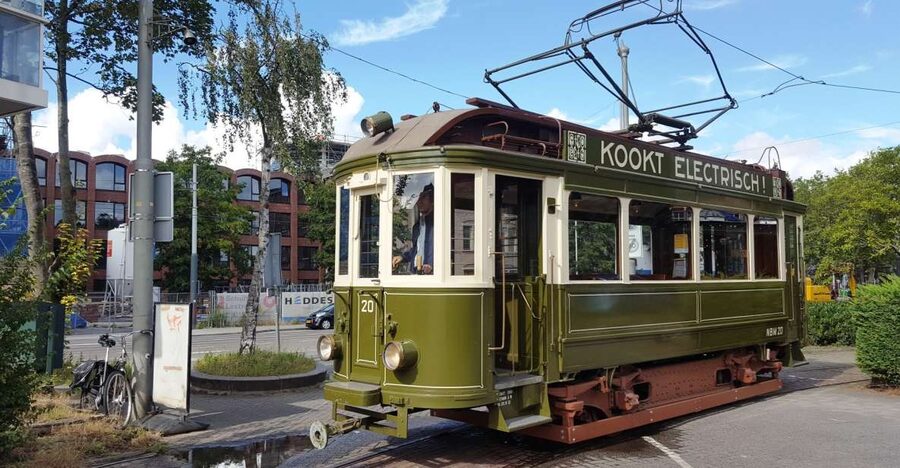
The ride is about 1 hour for the whole experience. Exact starting times are listed by availability, so you pick a departure slot and then plan your time around that.
The tram runs as a roundtrip between Haarlemmermeerstation in Amsterdam and Amstelveen. Once you are on board, you can think of it as a heritage loop with optional exits, rather than a straight line with no choices.
Also, at the terminus you may temporarily exit the vehicle or change vehicles all together. That is normal for this kind of heritage operation, and it is worth mentally budgeting a few extra minutes for the turnover moment.
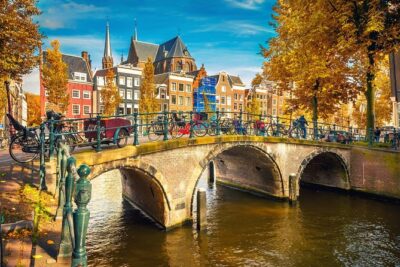



Stop-by-stop: what each Amstelveen stop is good for
You have multiple chances to get off and enjoy the area, then reboard when you are ready. The stops are what turn the ride from pure nostalgia into a mini outing.
Olympic Stadion stop: stretch your legs and reset
One of the listed stops is the Olympic Stadion. If you want a quick break during the hour, this is a simple option because you can step out, look around, and then return to the tram for the rest of the ride.
If you are the kind of traveler who likes a rhythm, this stop works well as a mid-ride reset. You will not get stuck walking for long, but you still feel like you used your time.
Amsterdam Forest stop: a calmer pace from the tram seat
You can also stop at Amsterdam Forest. The name alone tells you what you are likely going for here: a greener, quieter break from city streets.
Even if you only spend a short time here, it is a nice way to add a breath of nature without having to plan a whole separate transport leg. You get back onto the heritage tram after your pause, which keeps the theme consistent.
Lake Bosbaan stop: water views without overplanning
Lake Bosbaan is one of the highlight stops, and it is exactly the kind of place that benefits from a short, low-pressure visit. You can get off to enjoy the lakeside setting, then continue by reboarding for the return.
This is a good choice if you want something more than just the tram sounds. The water-and-air feeling helps make the ride feel like part of a bigger day, not a one-stop novelty.
Heemtuinen wildlife garden stop: nature time with a guided cue
Another listed option is the Heemtuinen wildlife garden. This is ideal if you like gentle wandering and you want a stop that feels made for slowing down.
You do not have to commit to a long walk plan. You can do a quick circuit, take some photos, and then rejoin the tram based on the called stops and your own pace.
Old Village stop: redbrick buildings and a more compact feel
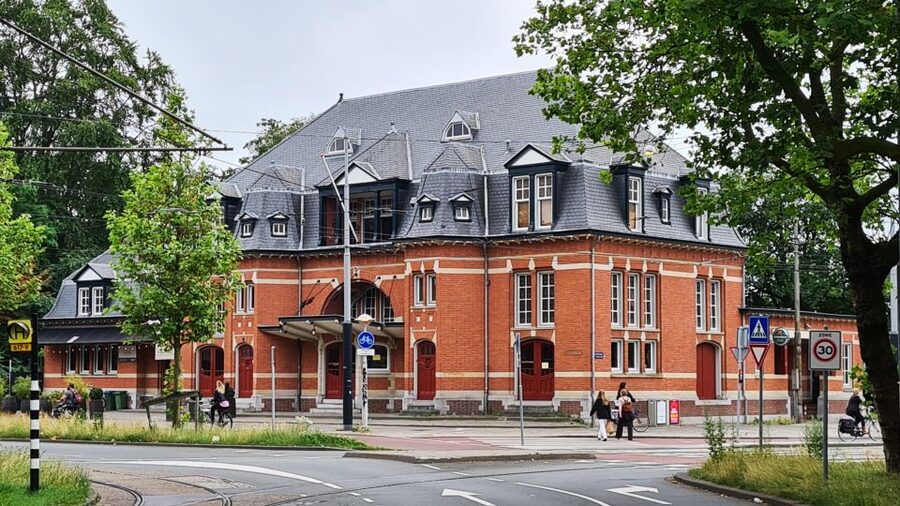
In Amstelveen, you can also stop at the Old Village, where you will see redbrick buildings. This is the most built-up stop on the list, and it fits travelers who want a little architecture and street atmosphere, even during a short heritage ride.
If you are traveling with someone who does not care about tram mechanics, the Old Village stop helps balance the experience. The tram is still the star, but you also get a clear place to go look around.
What makes the heritage operation itself memorable
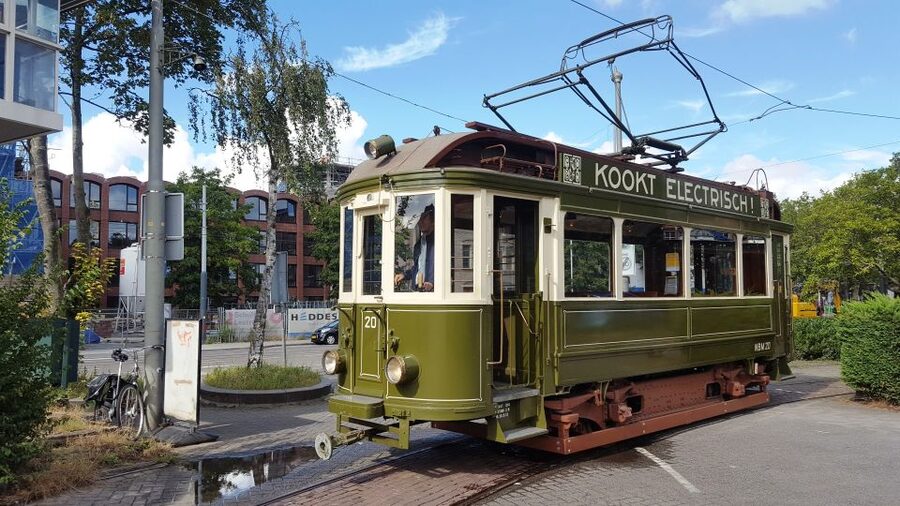
Plenty of museums let you look at old things. This ride adds the element that makes it stick in your memory: movement. You are experiencing the vehicle and the line as a living system, complete with conductors calling out readiness and crossings being secured with red flags.
I also like that you can feel the pacing of the system. The departure cues are physical and audible, so the trip does not blur into background noise. You are actively aware of when you are leaving, when you are arriving, and when you get to decide what to do next.
One more detail that matters: the conductor and stop announcements guide your choices. You are not stuck guessing where you are, and you can simply listen and then decide whether the next stop is worth your time.
Practical tips that make the hour smoother
A few details can make a big difference with this kind of heritage transit experience.
First, plan your clothing and comfort like it is public transit, not a museum bench. You are riding for about an hour total, and you may get on and off depending on the stops you choose.
Second, keep the on-board rules in mind. Smoking is not allowed, and you also cannot bring drinks or food into the vehicle. Alcohol and drugs are also not allowed. If you bring anything, plan it so you are not stuck leaving items behind.
Third, consider motion and mobility. This activity is not suitable for wheelchair users or people with mobility impairments. It is also not suitable for people with motion sickness. If either of those applies to you, choose a different Amsterdam experience that better matches your needs.
Finally, remember that at the terminus you might temporarily exit the vehicle or switch vehicles before the return. That is not a problem, but it can surprise you if you assume everything stays in the same exact car the whole time.
Value for money: does $9 buy enough here?
For $9 per person for a return ride, you are buying more than transportation. You are paying for a working taste of tram culture: a restored heritage vehicle, conductor-led departure rituals, and your ticket punched the old way.
The hour duration also matters for value. You can fit it into a busy Amsterdam day without rearranging your entire schedule, and you can shape the experience by hopping off at one or more stops. That flexibility turns a short ride into a mini outing rather than a quick photo stop.
If your priority is pure sightseeing volume, this might feel short. But if you want an experience that teaches you how a historic tram operation works in real life, the price-to-experience ratio is strong.
One note from the mixed side: you should not expect the route to be a constant parade of top landmarks. One downside you might feel is that the line itself is not always visually exciting, even though the tram and the operation are well maintained.
Who this tram ride is for, and who it is not
This is a great fit for you if:
- You like hands-on details, like ticket punching and period departure cues
- You enjoy trains, transit history, or just the charm of older technology
- You want a short, low-commitment activity that still feels like something specific
It might not be for you if:
- You get motion sickness easily, since it is not suitable for motion sickness
- You use a wheelchair or need mobility accommodations, since it is not suitable for wheelchair users
- You want nonstop landmark views, because the main draw is the tram ride and heritage feel
Should you book this heritage tram ride to Amstelveen?
Book it if you want a fun, practical way to experience Amsterdam-area transport heritage in real operating conditions. I think the ticket punching, conductor cues, and the restored Lijn 30 tram make it worth it, especially at $9 for a roundtrip.
Skip it or choose something else if your day is built around big sightseeing stops and you need every minute to be visually packed. This ride is for people who care about how the experience works, the sounds you hear, and the old-school vibe you feel, not for people chasing a nonstop landmark slideshow.
FAQ
How long is the Amsterdam historic tram ride to Amstelveen?
The duration is listed as 1 hour. You can check availability to see starting times.
Where do I meet for the heritage tram ride?
You start at Haarlemmermeerstation. You exchange your ticket in the Tramshop, and you will be guided from there to the trams.
What is included in the price?
The price includes a return ticket from Haarlemmermeerstation in Amsterdam to Amstelveen.
How much does it cost?
The price is listed as $9 per person.
Can I get off at stops along the way?
Yes. You have options to stop at places like Olympic Stadion, Amsterdam Forest, lake Bosbaan, Heemtuinen wildlife garden, and the Old Village in Amstelveen.
What old-fashioned features are part of the experience?
You get the fun of having your ticket punched by a conductor. You can also hear the whistle and the ring of the bell, plus the sounds of the tram.
Do they provide food or drinks on board?
No. Food and drinks are not included.
What language is the host or greeter?
The host or greeter provides Dutch and English.
Is smoking or alcohol allowed on the tram?
Smoking is not allowed. Drinks, food, alcohol, and drugs are also not allowed in the vehicle.
Is this ride suitable for wheelchair users or for people with motion sickness?
No. It is not suitable for wheelchair users or people with motion impairments, and it is also not suitable for people with motion sickness.
Digging Into Older Amsterdam



Also Reviewed Around Amsterdam





Fresh off the review pile in Amsterdam
- Full-Day Trip From Amsterdam to Keukenhof, Zaanse Schans + Cruise
★ 5.0 · 3 reviews - Boutique Dutch Food & History Tour with up to 8 guests only
★ 5.0 · 3 reviews - Private Tour to Windmills Zaanse Schans +Keukenhof – 7 Hours
★ 5.0 · 3 reviews - Full-Day Private Guided Countryside Tour from Amsterdam by Bike
★ 5.0 · 3 reviews - Amsterdam Red Light District and Old Town Walking Tour
★ 5.0 · 3 reviews
Historical Tours, compared.
 ★ 4.6Rotterdam: Kinderdijk UNESCO World Heritage Entry TicketFrom $251,477 reviews
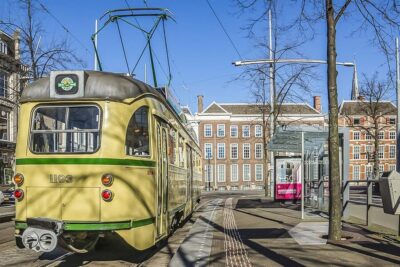 ★ 4.4The Hague: Hop-on Hop-off Old-Fashioned Heritage Tram TourFrom $181,083 reviews
 ★ 4.2Rotterdam: Harbor Cruise on a Historic ShipFrom $20812 reviews
 ★ 4.5Amsterdam: Haunted History and Ghost Walking TourFrom $30488 reviews
 ★ 5.0Amsterdam High-End Dutch Food & History Tour – Up to 8 guestsFrom $157482 reviews
 ★ 4.6Leiden: Cruise through the Historic City Center with GuideFrom $15445 reviews
 ★ 4.5Amsterdam: Historic City Sightseeing Canal CruiseFrom $18444 reviews
 ★ 4.6Amsterdam: Historical Highlights Walking Tour with TastingFrom $34381 reviews
Browse the lists this tour appears in