
REVIEW · AMSTERDAM
Historical tour of Amsterdam with Italian guide
A single walk teaches Amsterdam fast. This 3.5 hour, Italian mother-tongue tour strings together canals, trade history, religious conflict, and personal stories like Anne Frank, so the city feels logical instead of random. You move through key neighborhoods while your guide fills the route with explanations and on-the-spot curiosities.
I especially liked two things: the guide quality and the way the pacing feels built for first-time orientation. In the feedback I read, Fabio and Lara both stood out for being prepared, friendly, and clear, and for keeping the visit lively so you do not get stuck in a dry lecture. Second, the route reads like a day as an Amsterdammer, not a checklist, with stops that bounce from Dam to Singel to Joordan and then out to Vondelpark and Museumplein.
One possible drawback to plan around: museum entrances are not included. You will pass important places like the Anne Frank House and the Van Gogh Museum from the outside, so if you want interiors, you will need to buy those tickets and decide what to do after the walk.
In This Review
- Key highlights to look for
- An Italian mother-tongue guide makes the city make sense
- Walking route and timing: what 3.5 hours really gives you
- Starting at Park Plaza Victoria, then getting your bearings fast
- Flower Market stop: quick color, easy photos, no ticket required
- Singel, the Spice Customs House, and the King’s Warehouses
- Dam, “first red light,” and the Joordan neighborhood contrast
- Passing the Anne Frank House, without entering
- Leidseplein, the university area, Hard Rock Café, and the city’s social beat
- Vondelpark and Museumplein: from green pause to museum zone
- Price and value: why $28.81 can work in Amsterdam
- Small group energy and real-life guide vibes
- Who should book this historical walk?
- Should you book AmsterdamViaggi’s Amsterdam history tour?
- FAQ
- How long is the Amsterdam historical tour?
- How much does the tour cost?
- Where does the tour start and end?
- Are museum entrances included?
- What stops are included along the way?
- Is the ticket mobile?
- What language are the guides?
- How big is the group?
- What happens if the weather is poor?
- Is free cancellation available?
Key highlights to look for
- Italian mother-tongue guiding with clear stories and a friendly tone throughout
- A neighborhood-style route that connects Dam, Singel, Joordan, Leidseplein, and Vondelpark
- Smart timing (about 3 hours 30 minutes) that still leaves you options right after at Museumplein
- Outdoor orientation around major landmarks, with key museum stops inside the area but entrances excluded
- Small-group feel with a maximum of 50 people
More trips where somebody else does the explaining
- Amsterdam: 75 Minute City Canal Cruise with Audio Guide★ 4.4 · 17,501 reviews
- Anne Frank’s Story – Guided Walking Tour through Amsterdam★ 5.0 · 11,619 reviews
- Amsterdam: Johan Cruijff ArenA Tour with Optional Guide★ 4.6 · 8,954 reviews
- Amsterdam: Royal Palace Entry Ticket and Audio Guide★ 4.6 · 6,475 reviews
An Italian mother-tongue guide makes the city make sense
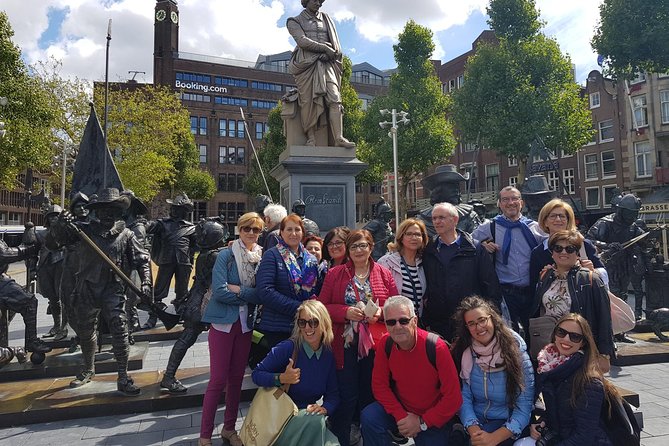
Amsterdam can look beautiful and still feel confusing. This is the kind of tour that fixes that by giving you names, reasons, and context while you walk. The format is a guided historical route run by Italian mother-tongue operators, and the tone is built around professionalism and friendliness, not jargon.
What you’ll get is practical city understanding. The story line moves through topics like companies of the Indies, wars of religion, and major figures you hear about in European history, including Erasmus and Martin Luther. Then it lands on personal history tied to Anne Frank, which helps you understand why certain streets matter beyond postcards.
If you care about history but do not want to sit still for hours, this fits. You are outside most of the time, you keep moving, and you get mini-lessons as you go. The best guides also make you feel comfortable asking questions, and the feedback I saw repeatedly points to guides like Fabio and Lara being available and smiling, which is a real advantage when you want context, not just points of interest.
Walking route and timing: what 3.5 hours really gives you
The tour runs for about 3 hours 30 minutes and it starts at Park Plaza Victoria Amsterdam, Damrak 1-5. It ends at Museumplein around 1:30 pm, which is a big deal for your day plan. You are not trapped inside the tour schedule. Instead, the timing is designed so you can keep going with museums on your own right after.
It is also useful that the tour stays within a manageable loop. You get to cover Central Amsterdam and then swing through areas like the Red Light District area and the Joordan neighborhood, before ending near the museum zone. That means you see both the classic sights and the living neighborhoods that make Amsterdam feel like Amsterdam.
The day’s structure is also simple to follow. You get a few longer focus moments, then lots of quick orientation stops. The first flower market visit is only about 20 minutes, and many other landmark moments are shorter. This is not a “stay and read for an hour” tour. It is more like, get your bearings fast, then decide what you want to explore deeper on your own.
One more practical point: it uses a mobile ticket, and the tour is near public transportation. That matters if you are hopping between museums later, since you can keep your plans flexible without needing complicated printouts.
Starting at Park Plaza Victoria, then getting your bearings fast
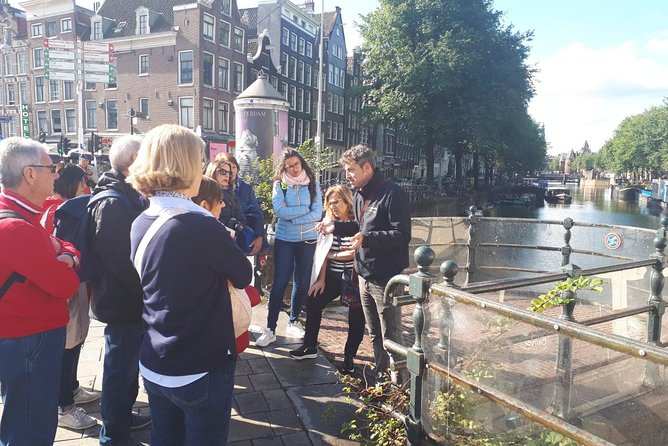
Your day begins at Park Plaza Victoria Amsterdam on Damrak. From there, you head into Central Amsterdam and start building mental maps right away. Amsterdam’s center is compact but not intuitive. The streets can feel maze-like, and canals can make it harder to judge distance.
A good guided walk solves that. As you move toward places like Singel and across major central areas, your guide helps you connect what you see with why it exists. You are not just looking at buildings, you are learning how the city’s geography and history shaped its street life.
You also get an early introduction to the city’s “layering.” Amsterdam is famous for canals and the old city look, but it also has traces of trade power and religious tension. The tour starts setting up those themes early, so later stops feel like they belong to the same story instead of random sightseeing.
Flower Market stop: quick color, easy photos, no ticket required
One of the first built-in moments is the Residence Flower Market stop. You get about 20 minutes on the way to the flower market, and it is listed as free in terms of admissions.
This is a smart use of time for two reasons. First, it gives you a visual anchor early in the walk, so when the route later mentions the Flower Market area again, you already know what you are looking for. Second, it is a short stop. If you want shopping, you can extend your visit after the tour. If you mostly want photos and atmosphere, you can enjoy it without losing half your day.
Practical tip: if you are coming during a busy period, treat this as a photo and people-watching moment, not a shopping marathon. The tour keeps moving, and you will have more control later when you are no longer under a walking schedule.
More of the older layers of Amsterdam
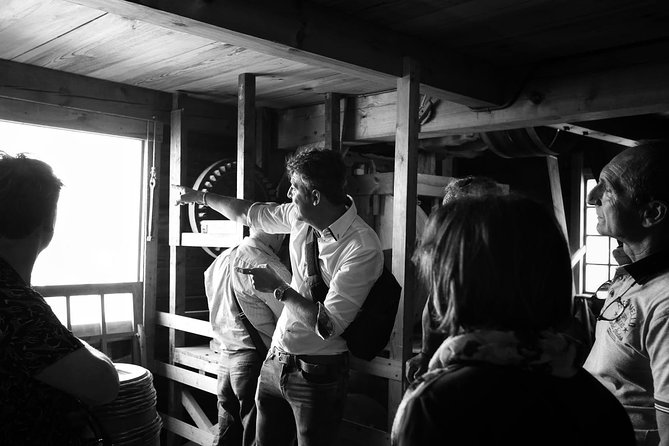
Singel, the Spice Customs House, and the King’s Warehouses
As the route continues, it focuses on Amsterdam’s power as a trading city. You pass through areas connected to Singel and mention key stops like the spice customs house and the king’s warehouses.
Even without going inside, this kind of stop helps you read the city. Amsterdam’s historic center is full of structures linked to commerce. When you understand that story, you start to notice the logic in the urban layout, the street patterns, and the way certain areas developed.
This part of the walk also sets up later themes about religion and conflict. You get the sense that money and ideas shaped each other here. Trade brought wealth, wealth brought institutions, and institutions were tied to the major European religious battles. That is why the tour’s arc works: it does not just list famous names, it connects the big ideas to the city spaces you are actually standing in.
Dam, “first red light,” and the Joordan neighborhood contrast
Amsterdam is famous for big contrasts, and this tour takes you through them. You pass through areas around Dam and then into the district that includes the first red light area, before moving toward Joordan.
Even when you do not go into any specific venue, walking these streets with context changes your experience. You are not just seeing a headline location. You learn about how Amsterdam’s identity formed through older rules, shifting attitudes, and changing governance.
Then comes Joordan, which adds a different feel. This is where the tour leans into neighborhood character. The route’s idea of “live a day as an Amsterdammer” starts to feel more real here. You are moving through streets that are not only about attractions, they are about how people actually experience the city day to day.
A small caution: the Red Light District area is topic-heavy and can feel sensitive for some visitors. If you are easily uncomfortable, you might mentally prepare. The tour is designed as a historical walking experience, not a party scene, but the setting is still what it is.
Passing the Anne Frank House, without entering
One of the most emotionally important moments is the stop in front of the Anne Frank House. You spend a few minutes passing it, learning about its history and importance, with the entrance explicitly excluded.
That outside pass matters because it places the story in the real urban setting. You see how the building sits within the city, and that framing can make the later personal and historical details feel less abstract.
But you should plan your expectations. Since the entrance is not included, you will not walk inside on this tour. If you want to do the Anne Frank House museum, you will need to schedule it separately. The payoff of this walking segment is guidance. It helps you know what to pay attention to if you decide to go in later.
This also connects to the rest of the route. The tour keeps the day’s focus broad, then lets you decide how far you want to go into specific sites afterward.
Leidseplein, the university area, Hard Rock Café, and the city’s social beat
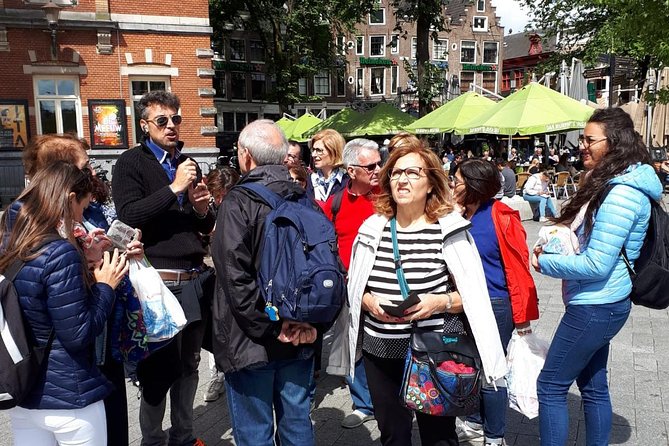
As you move on, the route includes Leidseplein, the university square area, and even the Hard Rock Café stop. These may sound like random place names, but in practice they help you understand Amsterdam’s rhythm.
Leidseplein is the kind of central area where people actually gather. University-adjacent streets add another layer, with a more youthful, everyday feel compared with purely monumental squares. The Hard Rock Café stop is brief, but it signals something important for first timers: Amsterdam’s city life is not only historic façades, it is also modern culture and meeting points.
If you are trying to choose where to spend time later, this tour acts like a sampler. You get clues about where you might want to return after your walk, especially if you want cafés, evening energy, or a place that is easy to reach from the main tourist zones.
Vondelpark and Museumplein: from green pause to museum zone
Then you head out to Vondelpark, a major open-air release in the middle of the city. The tour frames this as part of the route toward Museumplein, where big museums and landmarks cluster.
Vondelpark works well in a walking tour because it resets your senses. After denser historic streets, you get a breather, and you also get a sense of how Amsterdam makes room for outdoor life.
Museumplein is where your tour day naturally transitions into museum time. The walk ends at Museumplein, and the plan is for you to have free admission to the various museums after the tour, which specifically includes options like Van Gogh and the Rijksmuseum. The Van Gogh Museum stop is mentioned as an entrance excluded moment on the tour itself, but because you end at Museumplein, you can decide to do the museum next.
This is one of the best “value design” choices in the itinerary. You get a guided approach to the museum area, then you control what you enter. That keeps the guided part focused and prevents you from paying for entrances you may not even want.
Price and value: why $28.81 can work in Amsterdam
The price is $28.81 per person, booked on average about 21 days in advance, and the duration is about 3 hours 30 minutes. The only included cost is the guide. Entrance fees are excluded.
So is it a good deal? For me, the value comes from coverage and clarity. In Amsterdam, paying for a guide is often less about seeing something you could read on a map, and more about understanding what you are seeing. This route gives you that interpretive layer across multiple neighborhoods in a short window.
Also, because museum entrances are excluded, you are not forced into paying for ticketed places you might skip. Instead, you can use your time after the tour to choose between bigger museums like Van Gogh or the Rijksmuseum based on your personal interests and your energy level.
If you only want one museum and you already know the city well, you might find a guided walk less essential. If you are new to Amsterdam and you want a structured first day, this pricing can feel fair for the orientation it provides.
Small group energy and real-life guide vibes
The tour caps at a maximum of 50 travelers, which helps keep things from feeling like a moving crowd. In a city like Amsterdam, crowding can slow down walking and reduce the quality of explanations. A smaller maximum also helps you feel comfortable when you have questions.
I also appreciated that multiple reviews highlighted the human side: Fabio was described as prepared, available, and smiling, while Lara was praised as fantastic, prepared, and friendly, and the visit never felt boring. That is exactly what you want from a first-day guide. You want to feel like someone is leading you through their understanding of the city, not just reading off a list.
You also get confirmation at booking time, and service animals are allowed. If you rely on public transport, the meeting point and overall route are described as near transit.
Who should book this historical walk?
This works best if you fit one of these situations:
- You are visiting Amsterdam for the first time and want a structured way to orient yourself fast.
- You like history, but you prefer moving outside rather than sitting through long museum hours.
- You want a day-shaped route, with neighborhoods like Joordan and central areas like Dam and Singel, plus a natural handoff to Museumplein.
- You want an Italian mother-tongue guide who communicates clearly and keeps the mood friendly.
If you are only focused on museum interiors and you hate outdoor walking, you might want to skip or add separate tickets, since key entries like Anne Frank House and Van Gogh Museum are excluded on the tour itself.
Should you book AmsterdamViaggi’s Amsterdam history tour?
Yes, I think it is worth booking if you want your first day in Amsterdam to feel organized and meaningful. The route’s strength is not just the famous sights. It connects themes like trade, religious conflict, and personal history to the streets you walk on, then ends at Museumplein so you can choose your next step.
Book it if you want a guided “get your bearings fast” experience led by a friendly Italian guide, like Fabio or Lara as reflected in the feedback. Skip or adjust expectations if you want full museum access during the tour, because entrances are not included and you will need separate plans for Anne Frank House and Van Gogh.
FAQ
How long is the Amsterdam historical tour?
It lasts about 3 hours 30 minutes.
How much does the tour cost?
The price is $28.81 per person.
Where does the tour start and end?
It starts at Park Plaza Victoria Amsterdam, Damrak 1-5, and ends at Museumplein, 1071 Amsterdam.
Are museum entrances included?
No. Entrance fees to museums are excluded, including Anne Frank House and the Van Gogh Museum.
What stops are included along the way?
The route includes Central Amsterdam, Singel, the spice customs house, the king’s warehouses, the first red light area, Joordan, Dam Square, the flower market, Leidseplein and the university square, Hard Rock Café, Vondelpark, and Museumplein.
Is the ticket mobile?
Yes, the tour uses a mobile ticket.
What language are the guides?
The operator provides an Italian mother-tongue guide.
How big is the group?
The tour has a maximum of 50 travelers.
What happens if the weather is poor?
The tour requires good weather. If it is canceled due to poor weather, you are offered a different date or a full refund.
Is free cancellation available?
Yes. You can cancel up to 24 hours in advance for a full refund.
Let Somebody Else Explain It





Everything Else From Our Amsterdam Notebook


Also Reviewed Around Amsterdam




Fresh off the review pile in Amsterdam
- Full-Day Trip From Amsterdam to Keukenhof, Zaanse Schans + Cruise
★ 5.0 · 3 reviews - Boutique Dutch Food & History Tour with up to 8 guests only
★ 5.0 · 3 reviews - Private Tour to Windmills Zaanse Schans +Keukenhof – 7 Hours
★ 5.0 · 3 reviews - Full-Day Private Guided Countryside Tour from Amsterdam by Bike
★ 5.0 · 3 reviews - Amsterdam Red Light District and Old Town Walking Tour
★ 5.0 · 3 reviews
Historical Tours, compared.
 ★ 4.6Rotterdam: Kinderdijk UNESCO World Heritage Entry TicketFrom $251,477 reviews
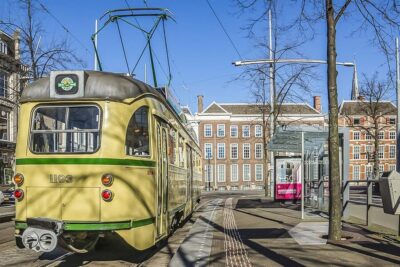 ★ 4.4The Hague: Hop-on Hop-off Old-Fashioned Heritage Tram TourFrom $181,083 reviews
 ★ 4.2Rotterdam: Harbor Cruise on a Historic ShipFrom $20812 reviews
 ★ 4.5Amsterdam: Haunted History and Ghost Walking TourFrom $30488 reviews
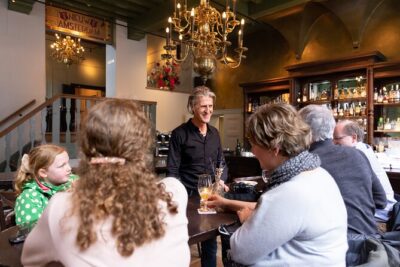 ★ 5.0Amsterdam High-End Dutch Food & History Tour – Up to 8 guestsFrom $157482 reviews
 ★ 4.6Leiden: Cruise through the Historic City Center with GuideFrom $15445 reviews
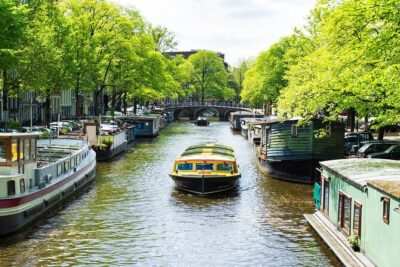 ★ 4.5Amsterdam: Historic City Sightseeing Canal CruiseFrom $18444 reviews
 ★ 4.6Amsterdam: Historical Highlights Walking Tour with TastingFrom $34381 reviews
Browse the lists this tour appears in