
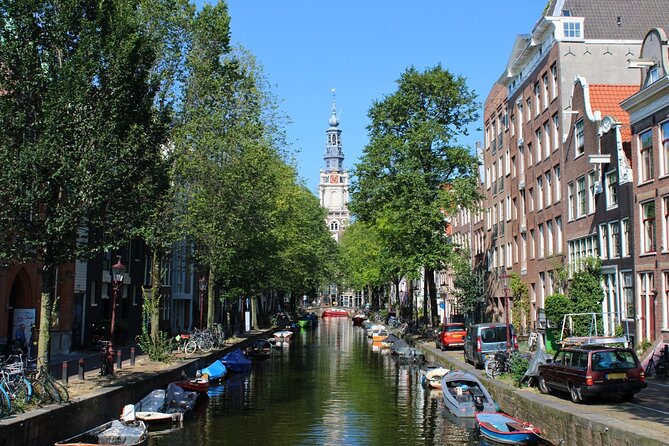
REVIEW · AMSTERDAM
History & culture tour in Amsterdam with a local
Amsterdam clicks when you walk it. This 2-hour history and culture tour pairs a local guide with a tight route through Amsterdam’s big landmarks, starting at Beursplein and ending back where you started, with a classic Stroopwafel stop along the way. I like how the small group size keeps the energy friendly, and I also like that the guide links each place to how the city became itself.
One possible catch is the walking pace. You’ll spend time on foot between stops, and each highlight is brief, so if you want long pauses for photos or slow museum-style reading, you may wish you had a second, slower day.
In This Review
- Key reasons this tour works
- Beursplein To Centraal Station: a smart Amsterdam route in 2 hours
- Small-group guidance with English, plus names you can recognize
- Beursplein: origins of the city and the name behind Amsterdam
- Dam Square: Royal Palace views and WWII significance
- Begijnhof: a serene courtyard that shows Amsterdam’s tolerance
- House On The Three Canals and the bicycle bridge idea
- Nieuwmarkt: Waag, guilds, and the Dancing Houses
- Zeedijk: Chinatown’s 1970s danger to today’s favorite street
- Centraal Station: architecture and centuries of connection
- Price and value: why $30.07 makes sense for a first-day tour
- Who should book this tour, and who might prefer something else
- Should you book this Amsterdam history and culture walking tour?
- FAQ
- How long is the Amsterdam tour?
- What language is the tour in?
- Where does the tour start?
- How big is the group?
- Are there admission fees for the stops?
- What food or snack is included?
- What is the walking format like?
- Can I get a refund if plans change?
- Can I bring a service animal?
Key reasons this tour works
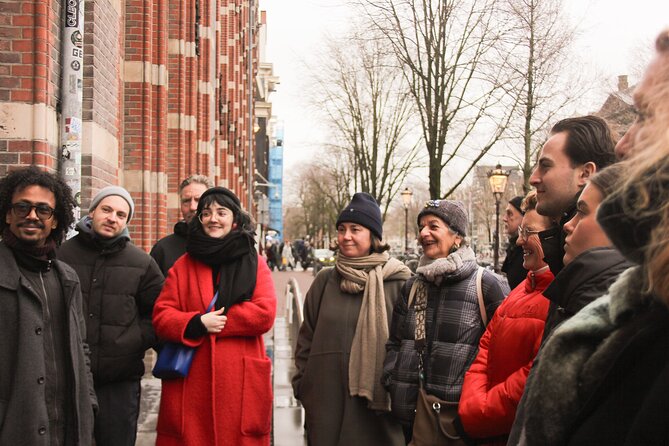
- Small group feel (max 15): easier questions, better pace, less crowd pressure
- Stroopwafel included: a simple taste break that matches the route’s classic Dutch vibe
- A local thread through everything: history is tied to what you see, not just dates
- Focused stops: squares, courtyards, canal landmarks, and station architecture in one loop
- English guided narration: built for clarity on a short time budget
More of the older layers of Amsterdam
- Amsterdam Food and Cultural Tour with Tastings★ 5.0 · 2,442 reviews
- Amsterdam: Haunted History and Ghost Walking Tour★ 4.5 · 488 reviews
- Amsterdam High-End Dutch Food & History Tour – Up to 8 guests★ 5.0 · 482 reviews
- Amsterdam: Historic City Sightseeing Canal Cruise★ 4.5 · 444 reviews
Beursplein To Centraal Station: a smart Amsterdam route in 2 hours
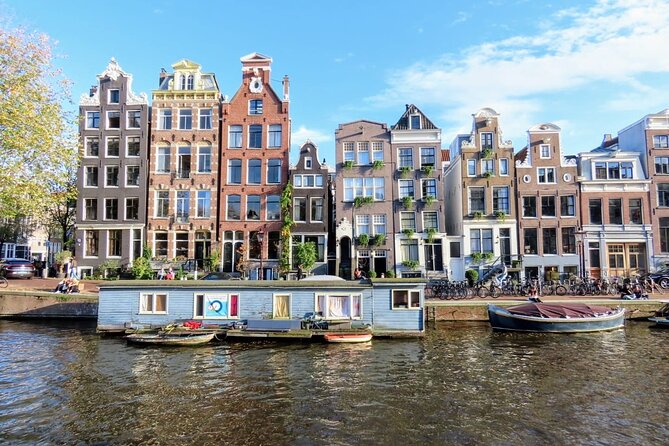
This is the kind of tour I recommend for your first day, or any day when you want quick orientation without feeling like you just raced through photos. The route is compact but designed to show different sides of the city: trade and the city’s origins, royal power, quiet religious life, canal quirks, guild-era civic buildings, neighborhood change, and finally one of Amsterdam’s most recognizable modern-era backdrops, Centraal Station.
The overall format is simple. You walk between seven stops, usually around 10 to 15 minutes each, while the guide explains what you’re looking at and why it mattered. Because each stop is short, the goal is not to exhaust every topic. The goal is to give you a map of ideas you can later test on your own, with zero confusion.
For me, the biggest value is the way the guide turns landmarks into stories you can remember. One stop explains how Amsterdam grew from a fishing village into a global economy. Another connects a serene courtyard to the city’s religious tolerance. Another uses canal architecture to explain practical design, like the idea behind a bicycle bridge.
Small-group guidance with English, plus names you can recognize
The tour is offered in English, and the group is capped at 15 people. That matters because Amsterdam is busy, and big groups can turn into line-following. Here, you should expect a more conversational flow where you can ask quick questions and get clearer context.
The guide names that show up in feedback include Manouk and Malik, and they’re described as friendly, knowledgeable, and willing to tailor the route to your needs. That tailoring is useful even if you do not have special requests, because it often means the guide spends extra time on what you find most interesting, instead of sticking to a single script for everyone.
This tour is also a good fit if you want history without heavy lectures. The stops are chosen so you can look, listen, and keep moving. You get enough background to understand what you’re seeing, then you’re released back into the city.
Beursplein: origins of the city and the name behind Amsterdam
You start at Beursplein, where the discussion centers on the city’s beginnings and how Amsterdam acquired its name. The point here is not just origin trivia. It’s the shift from local life to trade power.
You’ll hear about how a fishing village grew into the center of global economy in the 17th century. That’s the era that shaped a lot of what you’ll see later in canals, civic buildings, and the wealth expressed in the city’s architecture.
What I like about starting at Beursplein is that it sets the theme early. Before you reach the squares and courtyards, you already have the backbone explanation: Amsterdam became important because it traded, organized, and expanded, not because it was always a giant city.
Practical tip: because you’re meeting at a major public area, give yourself a few extra minutes so you’re not rushing right at the start.
Dam Square: Royal Palace views and WWII significance
From Beursplein you head to Dam Square, the kind of place where multiple layers of meaning sit on top of each other. You’ll admire the Royal Palace on the Dam and also learn about the square’s significance in the city’s formation.
Then comes the heavier part: Dam Square’s role during the Second World War. Even if you already know some of the broad facts, a local guide helps connect why this location became symbolic and how the city remembers.
A consideration: because Dam Square is central and busy, you might not always have the quietest viewing spot. Plan to focus on the guide’s directions and the main landmarks rather than trying to get perfect, uninterrupted photo angles at every moment.
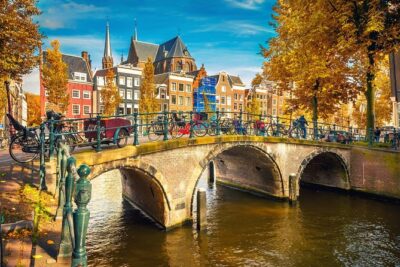


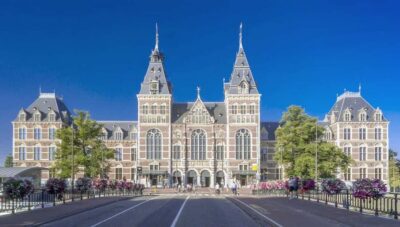
Begijnhof: a serene courtyard that shows Amsterdam’s tolerance
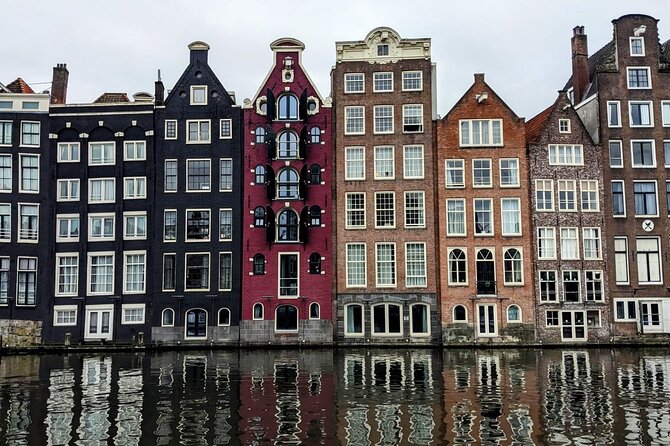
Next is Begijnhof, where you step from public streets into something calmer. The guide explains the religious history tied to this courtyard, and the key idea is what this place reveals about Amsterdam’s tolerance.
This is one of those moments where the architecture and layout do the storytelling. You’re in a space designed for a community life that feels removed from the larger city noise. That contrast is part of the point.
You’ll also see one of the oldest houses in Amsterdam, including one of the two wooden cottages associated with the area. If you care about how ordinary homes reflect historical moments, this stop is made for you.
Potential drawback: because it’s a courtyard experience, you may need to follow a bit of crowd movement and keep your attention on the guide to hear the key details.
House On The Three Canals and the bicycle bridge idea
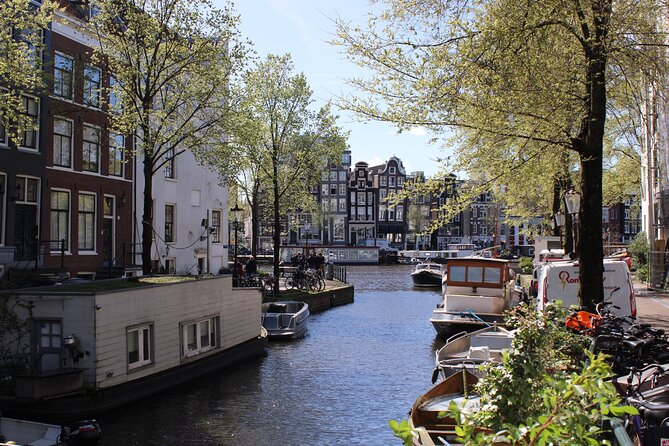
At the House on the Three Canals, the tour gets playful and practical at the same time. You’ll learn about a house built with its situation across three canals, and you’ll also hear about the idea of a bicycle bridge.
This stop is great if you like design logic. It’s easy to see canal buildings as just scenic. The guide helps you understand how the waterways shaped daily movement and how practical solutions became part of Amsterdam’s look.
For you, the payoff is perspective. After this, you’ll likely start noticing canal-related design choices on your own, like how routes connect and why certain structures exist where they do.
Nieuwmarkt: Waag, guilds, and the Dancing Houses
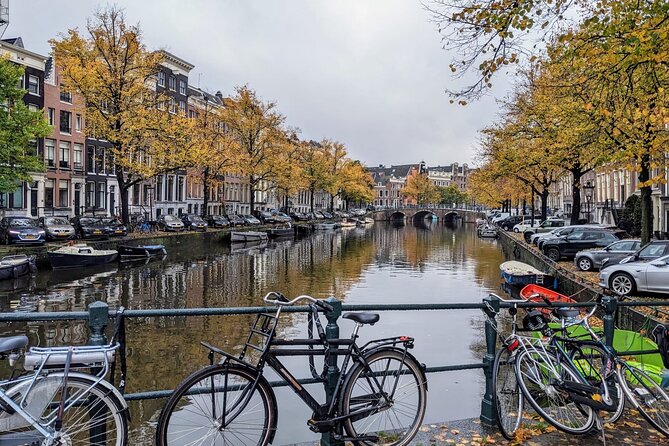
Then you move to Nieuwmarkt, where the focus is on older city infrastructure and the civic system behind it. You’ll discover the Waag, originally an old city gate that later became a guild hall.
The guide explains the importance of guilds in Amsterdam, which is a key theme if you want to understand how trades, power, and prosperity were organized. It’s also a theme that quietly connects back to the trade growth story you heard earlier at Beursplein.
You’ll also see the Dancing Houses, a local architectural feature tied to unusual building arrangement and canal-side shapes. The name is playful, and the explanation gives you something concrete to look for when you’re standing in front of the buildings.
If you have limited time in Amsterdam, this stop gives you a strong cultural layer beyond the postcard view. It shows how the city supported organized work and public standing.
Zeedijk: Chinatown’s 1970s danger to today’s favorite street
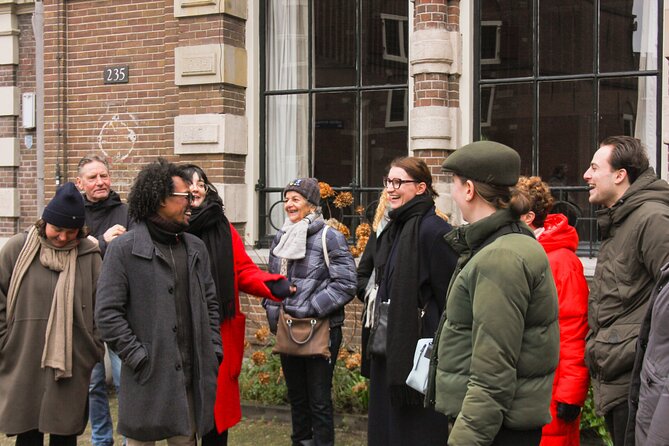
At Zeedijk, the tour covers neighborhood change with real honesty. You’ll learn that Chinatown was once the most dangerous place in Amsterdam during the 1970s. Then you’ll hear how the area declined from that period and how the street transformed into a favorite spot for many Amsterdammers.
This part of the tour is valuable because it refuses to treat history as a finished museum scene. Instead, it treats the street like a living system that shifts with economics, safety, culture, and community.
What I find useful for your planning: you’ll likely walk through the area later with more context, and you’ll understand why you’re seeing what you’re seeing now, not just how it looks.
A consideration: because Zeedijk is an active neighborhood street, it can feel busier than some of the earlier points. Keep your focus on the guide’s cues and do not stress about catching every detail at a glance.
Centraal Station: architecture and centuries of connection
The final stop is Centraal Station, and it’s a strong closer. You explore one of Amsterdam’s most stunning buildings, with emphasis on architecture, and then you connect it to something bigger: the station’s role as a transportation hub for centuries and a historical symbol of connection and prosperity.
This stop works because it ties the whole walk together. Earlier you learned how Amsterdam grew through trade and global economy. Now you see how a modern transportation hub continues that idea of movement and connection.
If you want an easy memory hook, this is it: Amsterdam as a place built to move people and goods, with canals and streets doing the groundwork, and a grand station showing the city’s confidence.
Price and value: why $30.07 makes sense for a first-day tour
At about $30.07 per person for roughly 2 hours, this tour lands in a sensible range for a local-led walking experience. The biggest value is not just that it is inexpensive. It is that you get a structured route through multiple major landmarks in one package.
A helpful bonus is that the listed admissions at the stops are free, so you are not paying extra for entrance fees as you go. On top of that, you get a classic Dutch Stroopwafel along the way, which turns the tour into something you can feel, not only learn.
For your money, the main benefit is compression. Amsterdam is easy to overplan. This tour gives you a clean starting thread so you can build the rest of your trip with less guesswork. If you’re history-minded, it also gives you enough background that your own walking later becomes more rewarding.
Who should book this tour, and who might prefer something else
You should book if:
- You want a first-day Amsterdam orientation with a clear story arc
- You like history that points to what you can see outside, not just dates
- You prefer a small group over a large, crowded experience
- You want an English guide and a simple snack moment included
You might skip or pair it with another plan if:
- You need long stops for photos, rest, or slower pacing
- You want deep coverage of one site, like only one palace or one museum, rather than a route-based overview
If you are doing multiple tours, this one makes a great “base layer.” Then you can add a more specialized experience afterward, when you already know the city’s main story.
Should you book this Amsterdam history and culture walking tour?
I think it’s a smart choice if you want a guided route that helps you understand Amsterdam fast. The combination of small-group pacing, a guide who can tailor the experience, and a route that moves through trade origins, royal power, religious tolerance, canal design, guild influence, neighborhood change, and iconic architecture gives you a lot to work with in just about 2 to 2.5 hours.
Book it when you want clarity and momentum. Skip it if your travel style is all about slow roaming and long stays. For most people, especially first-timers, this is one of the cleanest ways to start making sense of Amsterdam without feeling overwhelmed.
FAQ
How long is the Amsterdam tour?
It runs for about 2 hours, with some listings allowing up to 2.5 hours.
What language is the tour in?
The tour is offered in English.
Where does the tour start?
The meeting point is Beursplein, 1012 JW Amsterdam, Netherlands.
How big is the group?
The tour has a maximum of 15 travelers.
Are there admission fees for the stops?
The stops are listed with free admission tickets.
What food or snack is included?
You’ll enjoy a classic Dutch Stroopwafel along the way.
What is the walking format like?
It is a walking tour. Between passing highlights, the guide explains topics on foot.
Can I get a refund if plans change?
Free cancellation is available up to 24 hours in advance of the experience start time for a full refund.
Can I bring a service animal?
Yes, service animals are allowed.
Digging Into Older Amsterdam



Everything Else From Our Amsterdam Notebook




Also Reviewed Around Amsterdam





Fresh off the review pile in Amsterdam
- Full-Day Trip From Amsterdam to Keukenhof, Zaanse Schans + Cruise
★ 5.0 · 3 reviews - Boutique Dutch Food & History Tour with up to 8 guests only
★ 5.0 · 3 reviews - Private Tour to Windmills Zaanse Schans +Keukenhof – 7 Hours
★ 5.0 · 3 reviews - Full-Day Private Guided Countryside Tour from Amsterdam by Bike
★ 5.0 · 3 reviews - Amsterdam Red Light District and Old Town Walking Tour
★ 5.0 · 3 reviews
Historical Tours, compared.
 ★ 4.6Rotterdam: Kinderdijk UNESCO World Heritage Entry TicketFrom $251,477 reviews
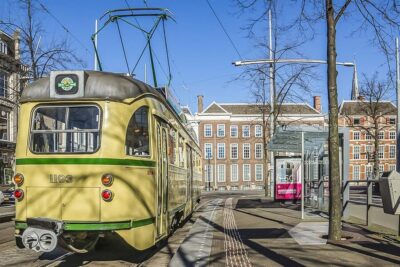 ★ 4.4The Hague: Hop-on Hop-off Old-Fashioned Heritage Tram TourFrom $181,083 reviews
 ★ 4.2Rotterdam: Harbor Cruise on a Historic ShipFrom $20812 reviews
 ★ 4.5Amsterdam: Haunted History and Ghost Walking TourFrom $30488 reviews
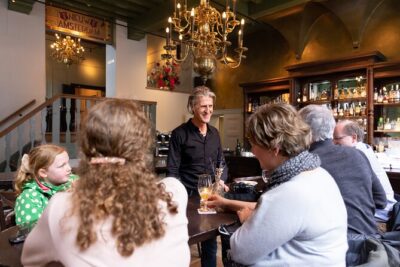 ★ 5.0Amsterdam High-End Dutch Food & History Tour – Up to 8 guestsFrom $157482 reviews
 ★ 4.6Leiden: Cruise through the Historic City Center with GuideFrom $15445 reviews
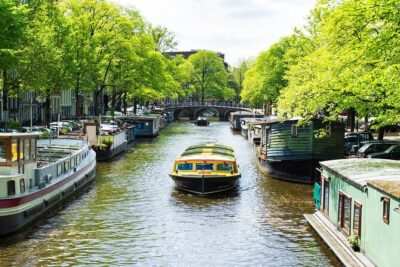 ★ 4.5Amsterdam: Historic City Sightseeing Canal CruiseFrom $18444 reviews
 ★ 4.6Amsterdam: Historical Highlights Walking Tour with TastingFrom $34381 reviews
Browse the lists this tour appears in