
REVIEW · AMSTERDAM
LGBTQI+ History Tour of Amsterdam
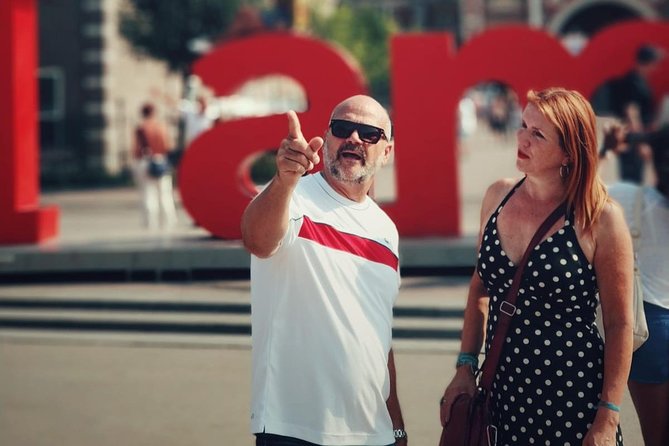
On a short walk, Amsterdam can tell a big story. This LGBTQI+ history tour zeroes in on how rights and community formed in the city, guided by Henk, who lived through the early days of the movement. You’ll cover key spots around central Amsterdam, with the pace kept human thanks to a small group size.
I love the focus on real places, like the Gay Monument and the historic bar stop, rather than just vague background. I also like that straight allies are welcomed and the tone stays educational but warm. One possible drawback is that you’ll be doing most of this outdoors, and you should plan for good walking conditions and enough comfort for about two hours.
In This Review
- Key Highlights You’ll Feel Right Away
- Why This Tour Works: A Human-Scale History Walk
- Getting Oriented Near Westermarkt, Then Moving by Canal to Dam Square
- Stop 1, the Gay Monument: A Start Point That Sets the Tone
- Stop 2, Royal Palace Area: Why the City Center Matters
- Stop 3, Dam Square: The City’s Central Stage and LGBT Connections
- Walking Through the Red Light District: Leather Street and Real Questions
- China Town and Bet van Beeren: Where History Lands in Nightlife
- Price and Value: What You’re Paying For at $42.33
- Pace, Group Size, and the Ally-Friendly Tone
- Before You Go: Shoes, Weather, and a Smart Mindset
- Should You Book This LGBTQI+ History Tour?
- FAQ
- How long is the LGBTQI+ History Tour of Amsterdam?
- What time does the tour start, and where do I meet?
- Is this tour offered in English?
- What are the ticket and admission details?
- What should I bring for the walk?
- What if the weather is bad or I need to cancel?
Key Highlights You’ll Feel Right Away
- Henk as your guide, including firsthand perspective on the early gay movement in Amsterdam
- A small group (up to 15) for more direct answers and less rushed sightseeing
- Landmarks with purpose, starting at the Gay Monument and threading through Dam Square
- City planning, politics, and identity linked together as you walk the canals
- An ending at a classic bar, tied to local LGBTQIA+ nightlife history, at Bet van Beeren
More of the older layers of Amsterdam
- Amsterdam Food and Cultural Tour with Tastings★ 5.0 · 2,442 reviews
- Amsterdam: Haunted History and Ghost Walking Tour★ 4.5 · 488 reviews
- Amsterdam High-End Dutch Food & History Tour – Up to 8 guests★ 5.0 · 482 reviews
- Amsterdam: Historic City Sightseeing Canal Cruise★ 4.5 · 444 reviews
Why This Tour Works: A Human-Scale History Walk
If you want LGBTQIA+ history that feels grounded, this tour is built for you. Amsterdam is full of plaques and landmarks, but a normal self-guided stroll can leave gaps. Here, your guide stitches the pieces into a timeline you can actually follow, from past persecution to visible civic change.
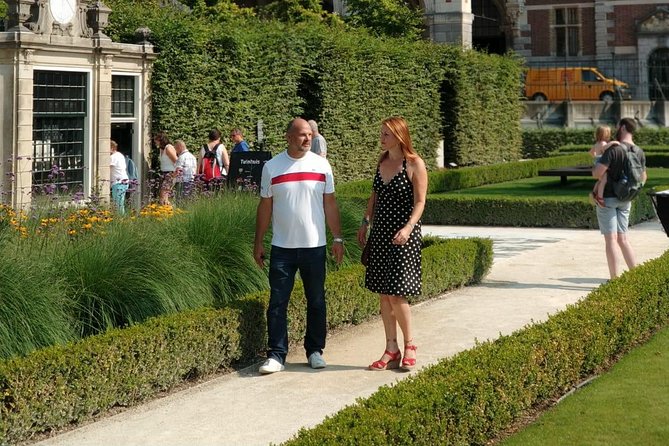
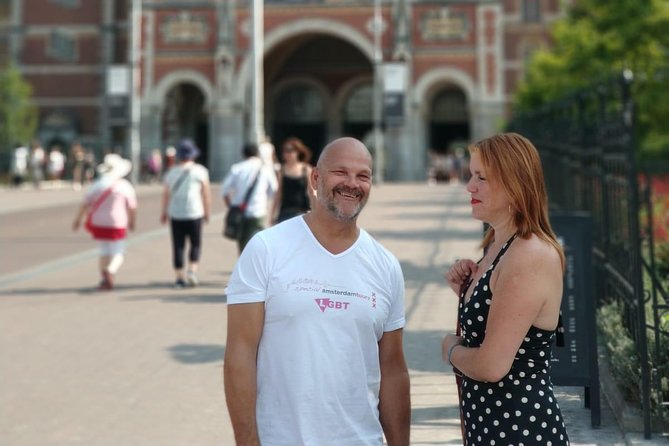
The big selling point for many people is Henk himself. Based on what’s shared about his life and involvement, he’s not just reciting facts from a book. He brings a lived-through angle to the early movement in Amsterdam, and that helps the stories land with more weight. I also like that the tour doesn’t treat LGBTQIA+ history like a separate museum wing. Instead, it keeps returning to how the city shaped daily life, and how everyday people pushed the law and culture forward.
Another reason this feels practical is the format: a two-hour walking tour with a limited group size. That matters in a place like central Amsterdam, where streets can get tight and where it’s easy to lose the thread if the group is large. With fewer people, you can ask questions and you’re more likely to get specific answers instead of a generic one-minute response for everyone.
One thing to keep in mind: this is not a sit-down lecture. You’ll be walking, listening, and taking in the view. Bring shoes you’re happy to wear for a couple of hours, and have a plan for where you’ll refill water.
Getting Oriented Near Westermarkt, Then Moving by Canal to Dam Square
The tour starts at Westermarkt 2L, 1016 DW Amsterdam, with the scheduled start time of 11:00 am. From the beginning, you’re set up for a straightforward route through central neighborhoods, finishing on the Zeedijk near Café ’t Mandje, Zeedijk 63.
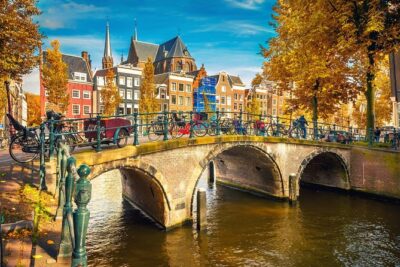
After the first landmark stop, the walking part is a key part of the experience. You’ll go along canals toward Dam Square, and you’ll see 17th-century houses along the way. That canal-side stroll is more than scenery. It’s the physical context for the stories about how Amsterdam grew and how public life was organized.
Dam Square, in particular, is where the tour’s themes start to click. It’s the kind of place where governments, commerce, and crowds overlap. When a city’s identity is visible in one central square, it’s easier to understand how laws and social attitudes could change what people felt safe doing in public.
Because you’re moving on foot, you’ll also pick up small orientation details that help later. Even if you don’t plan to keep walking in the exact same pattern after the tour, you’ll understand where key sights sit relative to each other. That makes the rest of your trip smoother.
Stop 1, the Gay Monument: A Start Point That Sets the Tone
You begin at the Gay Monument, a memorial for gay victims past, present, and future. The focus here is not subtle. This first stop frames the entire tour as both remembrance and education, with a clear message about what was lost and what was fought for.
Henk explains how the Netherlands reached the point of having this monument. That part matters because it turns the monument from a photo-op into a signpost in a larger story. You learn why public recognition can be hard-won, and how memory and civic identity are connected.
This stop includes an admission ticket and is scheduled for about 30 minutes, which is a good chunk for a walking tour. It’s enough time to read the details at a memorial pace, without feeling like you’re being herded along. It also gives you a moment to mentally reset before you move into the more urban, everyday-life parts of Amsterdam.
If you’re the kind of traveler who likes to start with meaning rather than just landmarks, this is a strong beginning.
Stop 2, Royal Palace Area: Why the City Center Matters
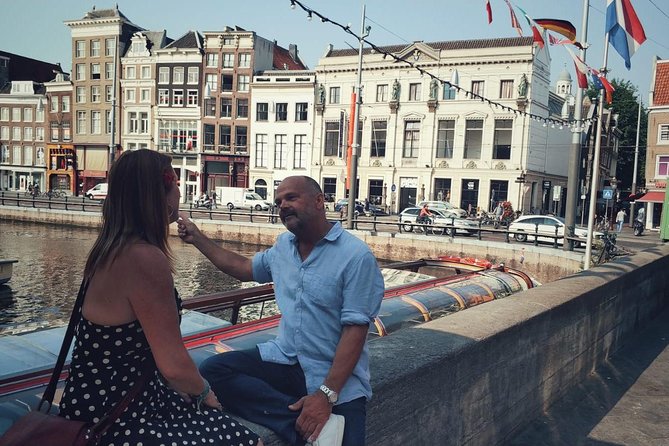
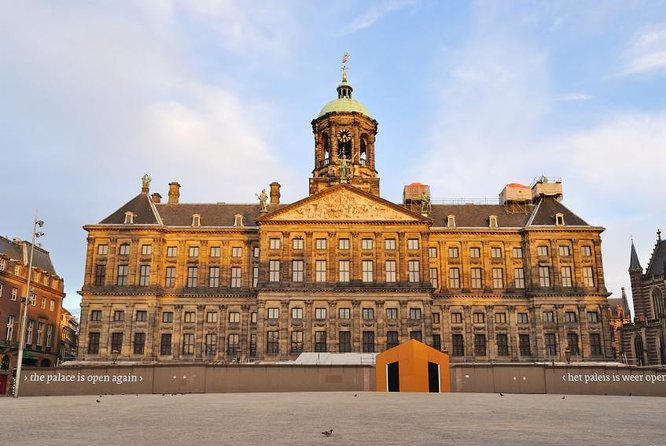
From the memorial, the tour heads to the area around Dam Square and the Royal Palace backdrop. Here, you’ll see and hear about the origin of the Royal Palace and what it has to do with gay life in the 17th century.
Important detail: you don’t have time to go inside the Royal Palace itself. The tour does not include Palace entry, so admission is not included for this part.
Even so, you’ll likely find this stop useful because it connects power and visibility. When a royal seat and its surrounding civic spaces are part of the story, it helps you see how LGBTQIA+ life was affected by institutions, not just informal street culture. That’s often where walking tours can feel thin. Here, the guide keeps the city center tied to the bigger themes.
This is also a good reminder for your planning. If you’re the type who wants the full Palace visit later, you can treat this tour as the background briefing, then decide separately if you want to add Palace time on another day.


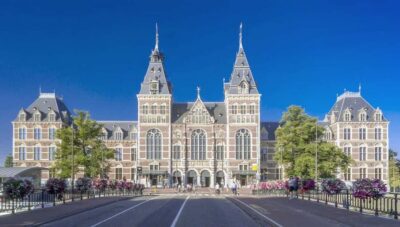
Stop 3, Dam Square: The City’s Central Stage and LGBT Connections
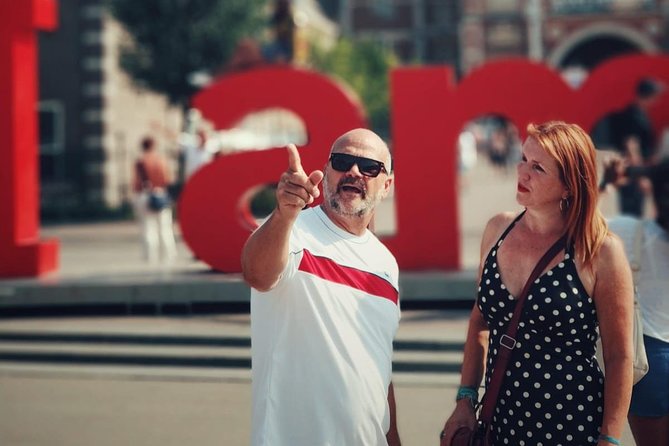
Next you spend time at Dam Square, which is Amsterdam’s central gathering point. The guide talks about the area’s long history and specifically what has happened there in relation to LGBT stories.
You also get an admission ticket included for this segment. The timing is short, about 10 minutes, so the value here isn’t lingering. It’s more like a focused guided stop where you leave with a sharper mental map of what kind of place Dam Square is, and how LGBTQIA+ history fits into its public role.
Dam Square can feel like one of those locations you either race through or treat as a photo backdrop. With the right guidance, it becomes something else: a stage where visibility, identity, and social change can be tied to real locations.
If you want to understand Amsterdam beyond canals and bicycles, this is one of the best places to do it.
Walking Through the Red Light District: Leather Street and Real Questions
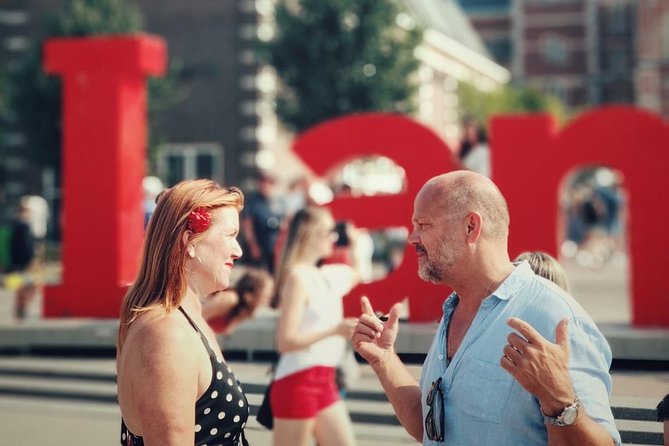
After Dam Square, the tour moves through the red light district and includes commentary on the area, including the leather street of Amsterdam. If you’re curious, Henk is set up to answer details on the way.
This is where the tour becomes less about a single time period and more about how multiple layers coexist in the city. Amsterdam has always been a place where commerce, rules, and social attitudes rub up against each other. The red light district is one of the most visible examples of that tension.
For some people, this segment can feel sensitive. The good news is that the tour frame is LGBTQIA+ history, not titillation. You’re there to understand cultural and community context. You’ll also notice that allies are welcomed, so the guide is likely balancing directness with respect.
Practical note: this is an area with lots of foot traffic. It helps that the group is limited to up to 15 people, so you won’t get lost in a crowd or feel like you’re walking through the city blindfolded.
China Town and Bet van Beeren: Where History Lands in Nightlife
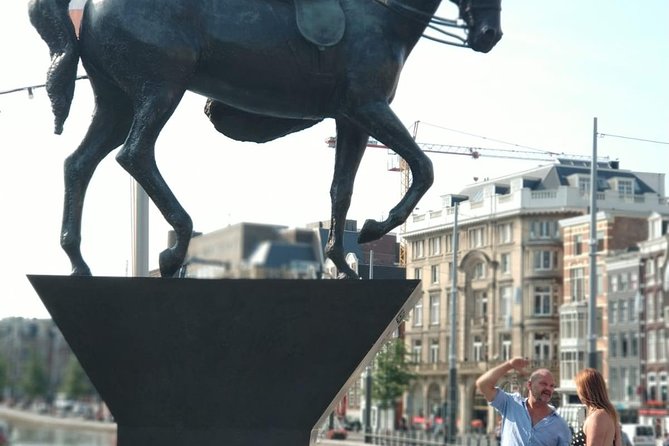
Then you head toward the China Town area, described as once the roughest street in Amsterdam. The guide connects that neighborhood identity to LGBTQIA+ nightlife history, including that this area has the oldest gay bar in Amsterdam.
The tour ends at the bar of Bet van Beeren (at Zeedijk 63). Reviews also point out that people love seeing long-running lesbian-owned spaces here, and that meeting a new owner can add extra flavor to the stop.
This ending matters because it brings the story out of the past and back into lived culture. A memorial and a palace story can stay locked in time, but a bar connection shows how community life persists and adapts. You get a place to sit or stand and let the tour themes land in a more relaxed setting.
It’s also a natural finish location for practical reasons. Since the end is on the Zeedijk and is within walking distance of Central Station, you can easily change plans afterward. If you want to continue exploring nearby, you’re set up well.
Price and Value: What You’re Paying For at $42.33

At $42.33 per person for about two hours, this is priced like a focused, guided experience rather than a casual stroll. What makes it feel like good value is what you’re buying beyond a route.
You’re paying for:
- A single guide with deep personal connection, not just a general script
- Time at meaningful stops, including ones with admission ticket included
- A route that covers multiple key zones, from the Gay Monument to Dam Square and into nightlife history
- A small-group experience where questions are part of the format
It’s also good to know what’s not included. You’ll bring your own water and wear walking shoes, and you should expect to cover any additional admission where it isn’t listed as included, such as the Royal Palace entry since the Palace is not visited.
For your budget, the math is simple. If you would otherwise pay for entry at multiple stops and you want more than just photos, a guided walk often makes more sense than piecing together scattered tickets. If you’re only after a quick overview and you hate walking, then it may feel like more effort than you want.
Pace, Group Size, and the Ally-Friendly Tone
This tour runs for about 2 hours and caps at 15 travelers. That small number is a real quality factor in a city where many tours turn into a slow shuffle. Here, you get a chance to hear clearly and get context without constantly checking if you’re still with the guide.
It’s also explicitly offered in English, and the confirmation is received at booking time. That’s helpful if you like knowing your plan is locked.
One of the most praised points is the tone. Straight allies are warmly welcomed, and the tour is framed as educational. That matters if you have friends who are coming with you and you want everyone to feel included. It’s also likely part of why the stories land in a way that’s open rather than academic.
Henk’s sense of humor and warmth show up in people’s feedback, and you can expect a lively mix of personal anecdotes, historical facts, and questions along the way. That combination is often what separates a standard landmark tour from something you’ll remember later.
Before You Go: Shoes, Weather, and a Smart Mindset
Because you’re outside most of the time, good weather is important. If it’s canceled due to poor conditions, you’ll be offered a different date or a full refund. So keep an eye on forecasts and plan a flexible day.
Bring:
- Your own water
- Walking shoes that won’t mind cobblestones or crowded sidewalks
You should also expect that some stops involve reading and standing. Even though the pace is only a couple of hours, you’ll want to be comfortable enough to focus.
If you’re doing this as one of your first activities in Amsterdam, it can work like a grounding primer. It gives you a lens for seeing the city, not just a list of sights. Later on, when you pass similar buildings or public spaces, you’ll understand more of what’s behind them.
Should You Book This LGBTQI+ History Tour?
Yes, you should book it if you want LGBTQIA+ history tied to real Amsterdam locations, and you prefer a small-group walk over a big crowd tour. This is especially worth it if you care about respectful storytelling that includes both difficult moments and the progress that followed.
It’s also a good fit if you’re traveling with allies or mixed-interest friends. The tour is described as welcoming to straight allies, so the atmosphere is likely comfortable for mixed groups. And the guide’s personal perspective on the early movement makes the experience feel less generic than standard history tours.
Skip it only if you strongly dislike walking, you want a museum-only style, or you’re hoping for a Palace interior visit as part of the tour. The Royal Palace is discussed, but you do not go inside.
If you can spare two hours and you like learning through walking, this is a smart, high-value way to understand Amsterdam beyond postcards.
FAQ
How long is the LGBTQI+ History Tour of Amsterdam?
The tour lasts about 2 hours.
What time does the tour start, and where do I meet?
It starts at 11:00 am. The meeting point is Westermarkt 2L, 1016 DW Amsterdam.
Is this tour offered in English?
Yes, the tour is offered in English.
What are the ticket and admission details?
Admission tickets are included for some stops, such as the Gay Monument and the Dam Square segment. The Royal Palace is seen and discussed, but you do not have time to visit it, and Palace admission is not included.
What should I bring for the walk?
Bring your own water and wear walking shoes, since the tour does not provide these.
What if the weather is bad or I need to cancel?
The experience requires good weather. If it’s canceled due to poor weather, you’ll be offered a different date or a full refund. You can cancel up to 24 hours in advance for a full refund.
Digging Into Older Amsterdam



Everything Else From Our Amsterdam Notebook




Also Reviewed Around Amsterdam




Fresh off the review pile in Amsterdam
- Full-Day Trip From Amsterdam to Keukenhof, Zaanse Schans + Cruise
★ 5.0 · 3 reviews - Boutique Dutch Food & History Tour with up to 8 guests only
★ 5.0 · 3 reviews - Private Tour to Windmills Zaanse Schans +Keukenhof – 7 Hours
★ 5.0 · 3 reviews - Full-Day Private Guided Countryside Tour from Amsterdam by Bike
★ 5.0 · 3 reviews - Amsterdam Red Light District and Old Town Walking Tour
★ 5.0 · 3 reviews
Historical Tours, compared.
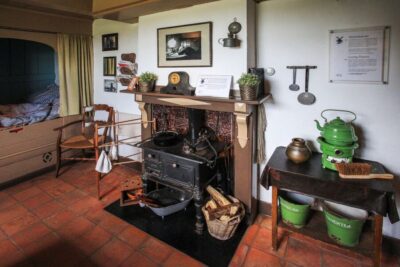 ★ 4.6Rotterdam: Kinderdijk UNESCO World Heritage Entry TicketFrom $251,477 reviews
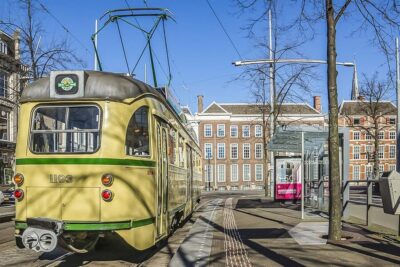 ★ 4.4The Hague: Hop-on Hop-off Old-Fashioned Heritage Tram TourFrom $181,083 reviews
 ★ 4.2Rotterdam: Harbor Cruise on a Historic ShipFrom $20812 reviews
 ★ 4.5Amsterdam: Haunted History and Ghost Walking TourFrom $30488 reviews
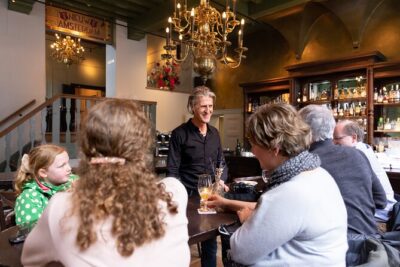 ★ 5.0Amsterdam High-End Dutch Food & History Tour – Up to 8 guestsFrom $157482 reviews
 ★ 4.6Leiden: Cruise through the Historic City Center with GuideFrom $15445 reviews
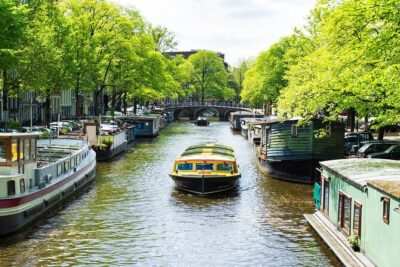 ★ 4.5Amsterdam: Historic City Sightseeing Canal CruiseFrom $18444 reviews
 ★ 4.6Amsterdam: Historical Highlights Walking Tour with TastingFrom $34381 reviews
Browse the lists this tour appears in