
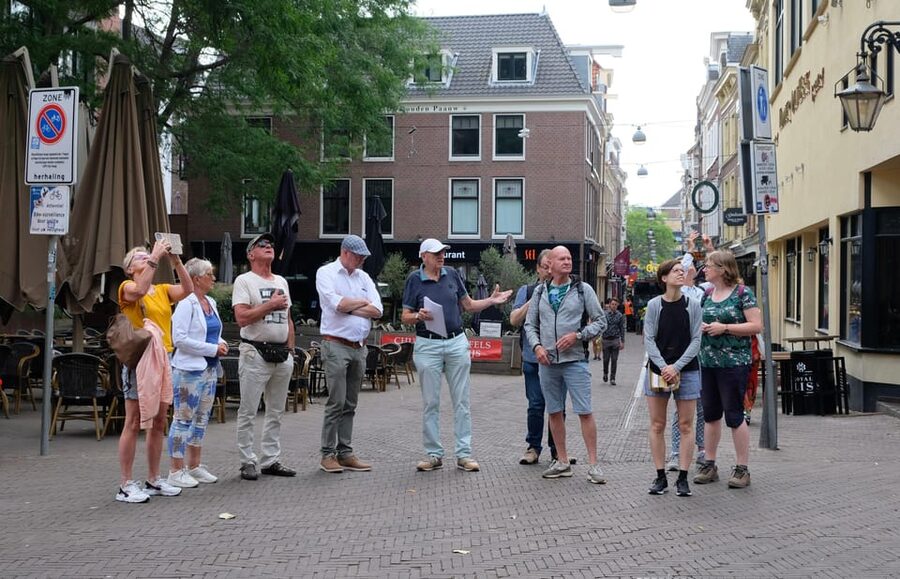
REVIEW · THE HAGUE
The Hague: Courtyard Walking Tour
Courtyards hide in plain sight here. On this 1.5-hour courtyard walking tour in The Hague, you step behind walls to see a side of the city you would not spot from the street. I love how these hidden courtyards feel like separate little worlds, and I also love the way the guide ties each stop to what life was like there, including a clear thread of charity and care.
The big watch-out is dogs. The tour is designed with rules around pets, and one experience included a dog-related complication that changed the vibe for a dog-averse person.
In This Review
- Key highlights worth aiming for
- Entering The Hague’s courtyard world behind ordinary streets
- Price and time: what $9 gets you for 1.5 hours
- How the route works: Renaissance courtyards, charity housing, and in-between monuments
- Starting point, getting the feel fast
- The courtyard stops: why they feel special
- Renaissance details: what to look for
- Not every minute is a courtyard door
- The guide experience: Dutch storytelling that stays human and respectful
- Who this is best for in The Hague
- Practical notes before you go (and how to make it better)
- 1) Plan for quiet, enclosed spaces
- 2) The guide handles pacing, but you should bring comfortable shoes
- 3) Language is Dutch, so choose your strategy
- 4) Pets: ask if it affects your comfort
- 5) Small group means you get more attention
- Should you book the Courtyard Walking Tour with Gilde Den Haag?
- FAQ
- How long is the Courtyard Walking Tour in The Hague?
- How much does the tour cost?
- Where do I meet the tour guide?
- What language is the tour guide?
- Is the tour wheelchair accessible?
- Are pets allowed?
- How many people are in the group?
Key highlights worth aiming for

- Walled-in courtyards you mostly see only when someone opens the right door
- Renaissance-inspired details explained in plain, human terms
- Charity and care, tied to housing for poor and older residents
- Small group size (10 max), so you can actually hear the stories
- A guide who adapts, including making the tour work for non-Dutch speakers when needed
- A respectful approach to residents and quiet spaces, not a loud sightseeing sprint
More of The Hague, sea air included
- The Hague: City Canal Cruise★ 4.6 · 2,024 reviews
- The Hague: Madurodam Miniature Park Entry Ticket★ 4.6 · 1,559 reviews
- The Hague: Hop-on Hop-off Old-Fashioned Heritage Tram Tour★ 4.4 · 1,083 reviews
- The Hague: Escher in The Palace Museum Ticket★ 4.6 · 896 reviews
Entering The Hague’s courtyard world behind ordinary streets
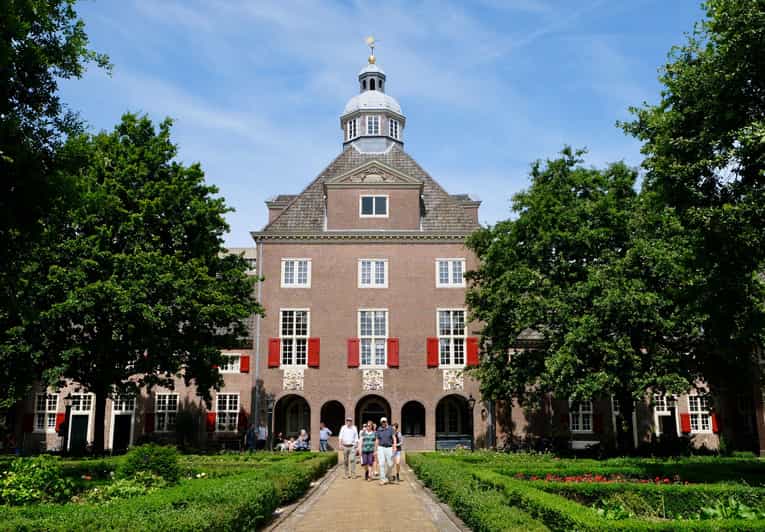
The Hague is famous for big city sights, but this walk is about the opposite. You start in the center, then slowly trade main streets for side passages where the courtyards sit behind walls, tucked where most people would never look twice. The surprise is immediate, because you can walk right past a blank wall, then suddenly turn a corner and find a calm interior space waiting.
What I like most is that the tour does not treat the courtyards like museum props. These are living spaces in spirit and in function, shaped for people who needed shelter and community, especially older residents. As you move through the route, you get more than nice visuals. You learn how the design supported daily life: privacy from the street, shared space inside, and a quiet routine protected by the surrounding buildings.
Even when you are only catching glimpses of arched doorways, brick edges, and old stonework, the guide’s explanations help you “read” what you are looking at. You start to notice the small architectural cues that separate a decorative courtyard from one designed for real living. And yes, it still feels charming, but the charm comes from understanding how it worked.
Price and time: what $9 gets you for 1.5 hours
At $9 per person for a 1.5-hour walk, this is one of those easy-value tours that fits into almost any day. The price works because you are paying for more than movement, you are paying for interpretation. A good guide changes a courtyard from pretty architecture into a story about how Dutch city life handled care, privacy, and community.
You also avoid the classic city-tour problem where the “tour” becomes mostly standing in place. Here, the pace is designed around multiple stops and the time needed to explain each one. With a 90-minute duration, you get enough variety without burning an entire morning or afternoon.
The other value factor is the small group of 10 participants. When the group stays small, you hear the guide better, and you are not fighting for space at narrow entrances. That matters a lot in a place where courtyards can feel tight and quiet.
How the route works: Renaissance courtyards, charity housing, and in-between monuments
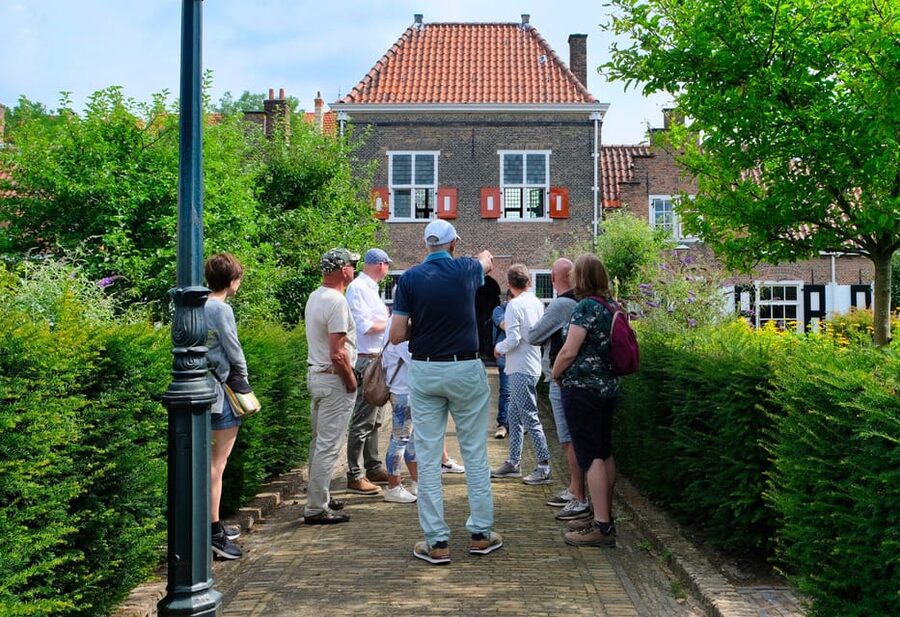
This walk is built like a sequence of revelations. You begin in a city setting, then the route gradually shifts into tucked-away courtyards and passageways. The core of the experience is the hidden interiors, but the walk also includes other notable spots and monuments you pass along the way, so you get context without feeling like you are only chasing doors.
Starting point, getting the feel fast
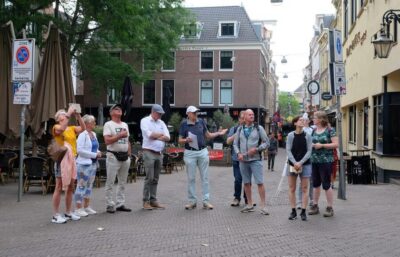
You meet at ‘t Goude Hooft, pleintje. That initial moment is useful because the guide can set expectations right away: where courtyards sit, why walls matter, and what you will learn as you go. If you only have a short time in The Hague, this kind of framing helps you get more out of each stop.
Prefer to see it on foot? More The Hague walks


The courtyard stops: why they feel special
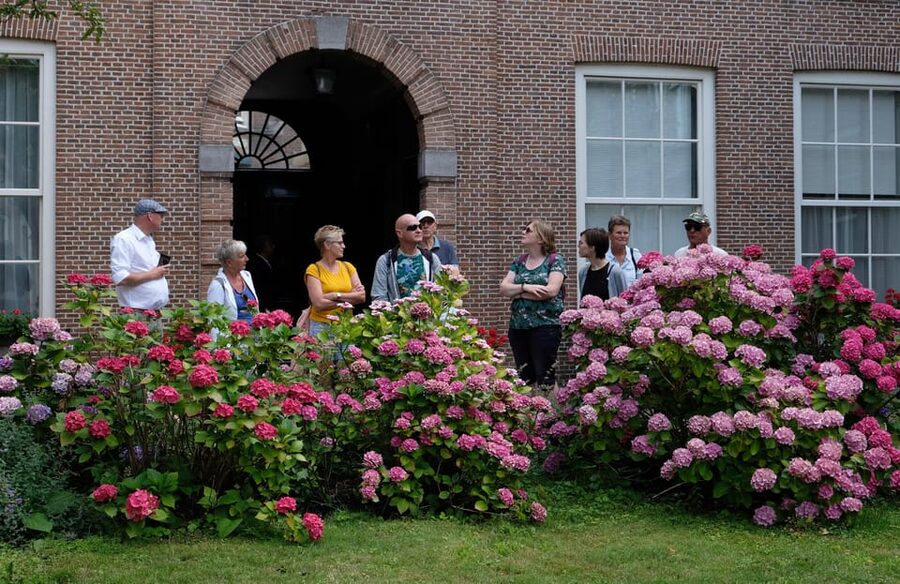
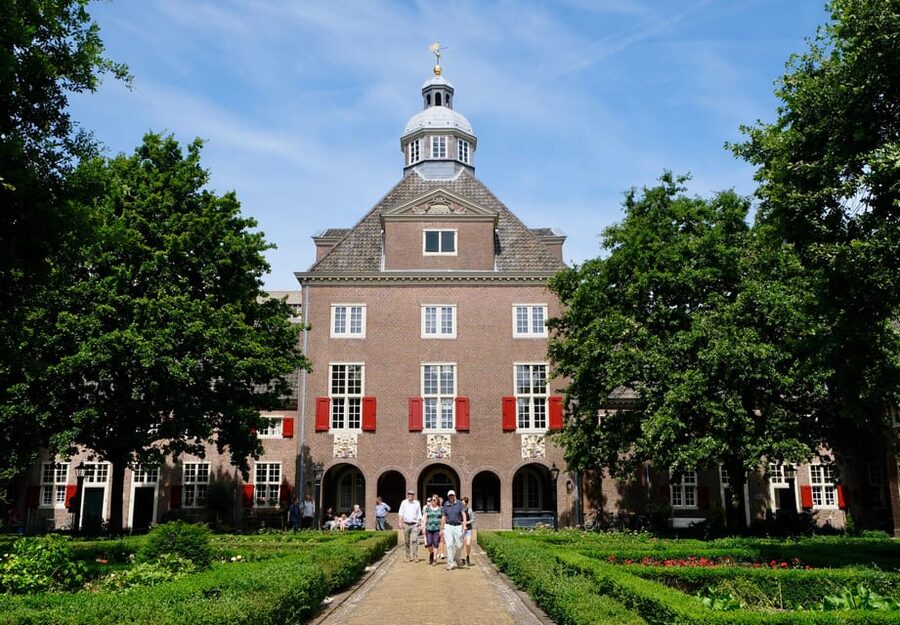
Each courtyard stop is chosen for beauty and significance. The guide brings you to the more famous and most photogenic hidden places, but the emphasis stays on purpose. These are traditional Dutch living spaces that date back to the 16th century, and the tour explains how their appeal has survived for roughly 400 years.
You will likely notice the pattern quickly. From street to interior, the environment changes. Sound softens. Light behaves differently. The layout creates a buffer between the public city and the private court-like space inside. The guide uses this effect to explain what life used to be like there, especially for poorer and older residents.
One highlight in the tour description is charity. The stories you hear connect the courtyards to shelter and care. That makes the architecture feel less like a decorative background and more like a practical solution to a social need. You come away understanding why a walled courtyard was a smart answer for community living.
Renaissance details: what to look for
The tour leans into Renaissance aspects. Even without technical vocabulary, you can usually spot the difference through the guide’s pointers. The guide takes time with history or features, so you are not left guessing which details are important. Instead, you learn what the guide wants you to notice, whether that is proportions, materials, or the way the space was intended to be used.
If you are the type who likes architecture but gets bored when someone rattles dates only, this format is better. The explanations are meant to make the place make sense. You walk out with a clearer mental map of how these courtyard spaces grew into long-lasting parts of the city.
Not every minute is a courtyard door
Here is a realistic consideration. One person hoped for more of the most “true” courtyard moments and felt the route included more in-between walking than expected. That does not make the tour bad, but it means you should set expectations correctly. This is not a nonstop courtyard-hopping sprint. It is a walk through parts of the center with real city streets in between, plus monuments you pass along the way.
If you want only courtyards, you might feel the gaps more. If you want courtyards plus explanation plus a sense of place, you will probably enjoy those transitions because they add context.
The guide experience: Dutch storytelling that stays human and respectful
This tour runs with a live guide speaking Dutch. The guide names mentioned in experiences include Hans and Kees, and the overall impression from their work is consistent: enthusiastic delivery, lots of facts, and a respectful approach to the courtyards and the people who live nearby.
One very practical thing I like about guides in small-group courtyard settings is how they manage pace. Courtyards are delicate spaces. You cannot treat them like a theme-park stop without ruining the mood. Guides on this walk are focused on maintaining the calm atmosphere and not turning the space into noise or disruption.
You will also feel that the guide watches the group and adjusts. One experience notes Hans adapting the tour to two foreign guests, which tells you something important: if your Dutch is limited, you are not entirely on your own. You still get the stories, and the guide likely changes how they explain and how they point things out.
Because the tour is Dutch-only, I would suggest you go with curiosity more than language perfection. Look at buildings, listen for themes, and let the guide’s gestures and pacing carry you. Courtyards are visual. You can follow a lot even when your vocabulary is still catching up.
Who this is best for in The Hague
This tour is ideal if you love:
- Hidden architecture and small, calm spaces
- City history that connects to real daily life, not just big monuments
- Short walks where the guide provides meaning, not just location
It can also be a great choice if you are not sure how to fill part of a day. It is only 1.5 hours, it stays compact with a max group size of 10, and it gives you that “I found a secret side of the city” feeling without requiring extra transit.
If you are traveling with mobility needs, it is wheelchair accessible. That is a big factor for courtyard tours, which often struggle with tight passageways and uneven ground. Still, courtyards are built in older city fabric, so you will want to take it at a comfortable pace and listen to what the guide suggests.
If you have strong feelings about pets, plan accordingly. The tour rules say pets are not allowed, aside from assistance dogs. In at least one reported situation, a dog-related issue came up and the guide made an exception, so the overall message is: if this matters to you, confirm ahead of time.
Practical notes before you go (and how to make it better)
1) Plan for quiet, enclosed spaces
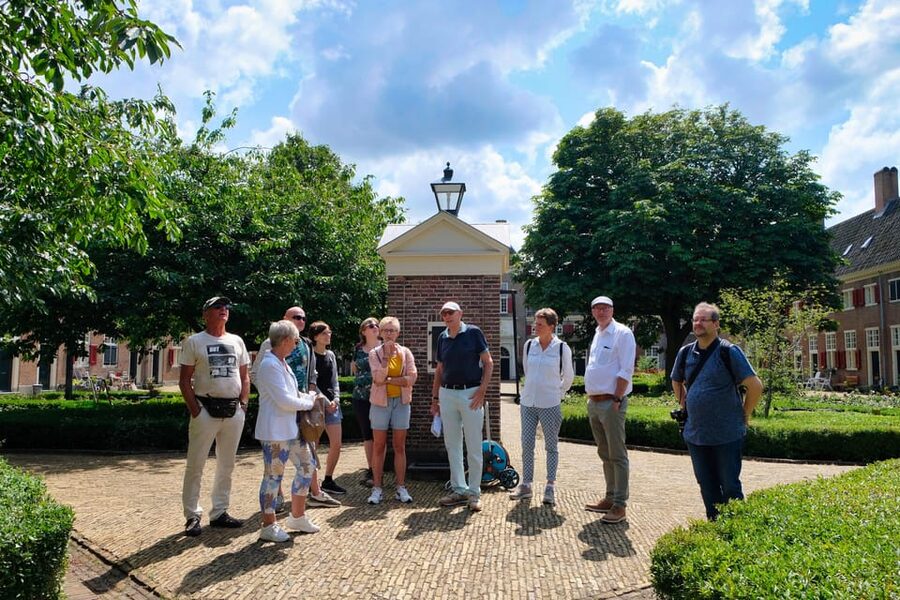
You are moving through tight entrances and sheltered courtyards. Even if you love photos, keep your behavior low-key. Quiet is part of the point here, because these spaces are protected from the street.
2) The guide handles pacing, but you should bring comfortable shoes
This is a walking tour through central The Hague. Expect some pavement walking plus the short turns that make a courtyard feel like a surprise. Comfortable shoes are the boring answer, and it is the correct one.
3) Language is Dutch, so choose your strategy
The guide speaks Dutch. If you do not speak it, you can still enjoy the walk because the guide explains history and features, and the setting does much of the work. If you want to understand every detail, it helps to do a little pre-reading about The Hague’s courtyard-style housing and charity background, then let the guide fill in the specifics.
4) Pets: ask if it affects your comfort
The tour does not allow pets, with assistance dogs allowed. One experience described a dog being brought despite the general rule, which caused discomfort for someone who was anxious around dogs. If you are dog-averse or simply want a predictable environment, you should treat this as a key question to resolve before you arrive.
5) Small group means you get more attention
With only 10 participants, you are not just part of a crowd. You can actually hear the guide and follow the explanations. In a courtyard experience, that is often the difference between seeing places and understanding them.
Should you book the Courtyard Walking Tour with Gilde Den Haag?
If you like hidden places, thoughtful architecture, and storytelling that connects buildings to everyday life, I think this is a smart booking. The price is low enough that it is easy to try without stress, and the structure fits perfectly into a day in The Hague.
I would only hesitate if you are very strict about pet-free experiences, or if you only want courtyards with almost no street walking in between. Otherwise, this tour delivers a satisfying mix: beautiful courtyards, Renaissance-style details, and the human side of charity housing for older residents, guided by people like Hans and Kees who clearly care about how the story is told.
FAQ
How long is the Courtyard Walking Tour in The Hague?
It lasts 1.5 hours.
How much does the tour cost?
The price is $9 per person.
Where do I meet the tour guide?
You meet at ‘t Goude Hooft, pleintje.
What language is the tour guide?
The live tour guide speaks Dutch.
Is the tour wheelchair accessible?
Yes, it is wheelchair accessible.
Are pets allowed?
Pets are not allowed. Assistance dogs are allowed.
How many people are in the group?
The tour is a small group with a maximum of 10 participants.
Everything Else From Our The Hague Notebook





Also Reviewed Around The Hague



The Hague and the Sea
Fresh off the review pile in The Hague
- Private Tour of Vermeer’s Delft + Tickets to Vermeer Museum
★ 5.0 · 3 reviews - Private Tour of Rotterdam and The Hague including Transfer
★ 5.0 · 3 reviews - Surfing at The Shore in The Hague
★ 4.5 · 3 reviews - 3 Course Walking Dinner in Delft with Guided Tours in Between
★ 5.0 · 3 reviews - Surprise Walk of The Hague with a Local
★ 4.5 · 3 reviews
The Hague & Scheveningen, compared.
 ★ 4.7The Hague: Mauritshuis Entrance TicketFrom $252,706 reviews
 ★ 4.6The Hague: City Canal CruiseFrom $172,024 reviews
 ★ 4.2From Amsterdam: Rotterdam, Delft & The Hague Guided Day TourFrom $901,765 reviews
 ★ 4.6The Hague: Madurodam Miniature Park Entry TicketFrom $241,559 reviews
 ★ 4.4The Hague: The Pier SkyView Ticket with Drink and SnackFrom $191,398 reviews
 ★ 4.4The Hague: Hop-on Hop-off Old-Fashioned Heritage Tram TourFrom $181,083 reviews
 ★ 4.6The Hague: Escher in The Palace Museum TicketFrom $15896 reviews
 ★ 4.0Rotterdam, Delft, the Hague, Madurodam from AmsterdamFrom $90793 reviews
Browse the lists this tour appears in