
REVIEW · THE HAGUE
Private Tour of The Hague, Delft and Rotterdam with Lunch
Three cities, one Dutch story. This private day strings together royal power, Golden Age art, and modern architecture, with lunch in Delft included. You’ll also get air-conditioned transport plus a guide who sets the pace, so you are not stuck in a cattle-car loop.
I like that the day mixes big landmarks with quick, human details. You get meet-you-there moments at key sites, like Mauritshuis and the Binnenhof, and then you walk streets where Dutch history feels close, not dusty.
One possible drawback: it is a full day with lots of walking and standing, even though stops are short. If rain is in the forecast, pack a layer and shoes you trust on uneven pavement.
In This Review
- Key takeaways before you go
- Three cities, one Dutch story (and why it works)
- The Hague kickoff: Mauritshuis and the art of the Golden Age
- Binnenhof and Ridderzaal: where governance becomes a walkable landmark
- Het Plein, Hofvijver, and the monuments you will actually remember
- Lange Voorhout: the Hague’s version of a polished promenade
- Grote Kerk and Johan de Witt: church views plus a story with teeth
- From The Hague to Delft: walking in an older world
- Lunch at Beestenmarkt square: where the day stays comfortable
- Delft churches and royal burial context: Maria van Jessekerk and Nieuwe Kerk
- Stadhuis Delft and the Old Church: town power and beer-era streets
- Prinsenhof and Delft’s trade power: where art and politics meet
- Station Delft and the reset to Rotterdam
- Rotterdam Coolsingel and City Hall: modern center with historical weight
- Grote of Sint-Laurenskerk and Markthal: the city that rebuilt
- Kijk-Kubus Cubic Houses: practical weirdness you can visit
- Witte Huis and Oude Haven: where the day ends with options
- Price and value: what $552.69 buys you
- Who should book this tour, and who might not love it
- Should you book this private Hague, Delft, Rotterdam day?
- FAQ
- How long is the private tour of The Hague, Delft, and Rotterdam?
- Is lunch included, and where do you eat in Delft?
- Is the Cubic House visit included in the tour price?
- Can I choose to start in The Hague or Rotterdam?
- Do you offer pickup and drop-off?
- How do you travel between the cities during the day?
- Is this a private tour?
- What time does the tour start, and how does cancellation work?
Key takeaways before you go
- Private pacing: you choose the rhythm, with the guide steering the flow.
- Real Dutch variety: politics and palaces in The Hague, canals and Vermeer links in Delft, modern Rotterdam architecture.
- Lunch is built in: you eat in Delft at Beestenmarkt square so you are not hunting mid-day.
- Cubic House ticket included: one paid highlight is already taken care of.
- Comfort on the move: short transfers between cities use train or car, plus air-conditioning in the vehicle.
- Photo-friendly stops: from court-yard views to harbor scenes, you get plenty of chances to frame the day.
Still in Rotterdam? Keep going
- Private Tour of Delft & Rotterdam with Cube House and Transfer★ 5.0 · 12 reviews
- From Amsterdam: Rotterdam, The Hague & Delft Private Tour★ 4.6 · 7 reviews
- Amsterdam: The Hague, Delft and Rotterdam Private Day Tour★ 5.0 · 6 reviews
- Private Tour of Rotterdam and The Hague including Transfer★ 5.0 · 3 reviews
Three cities, one Dutch story (and why it works)
Most first-timers go hard on Amsterdam and then rush everything else. This tour flips the script. Instead of cramming one city, you see how Dutch life changes block to block and even philosophy to philosophy.
The Hague gives you government, royalty, and formal grandeur. Delft brings you back to a smaller, older world, full of guild-era streets and the Dutch Golden Age. Then Rotterdam resets your eyes with a city that rebuilt itself, pushing architecture forward while still keeping older landmarks standing.
The value for me is the connections. You are not just checking boxes. You are learning why these places matter to Dutch identity, art, and trade, and you see it in one compact day.
The Hague kickoff: Mauritshuis and the art of the Golden Age
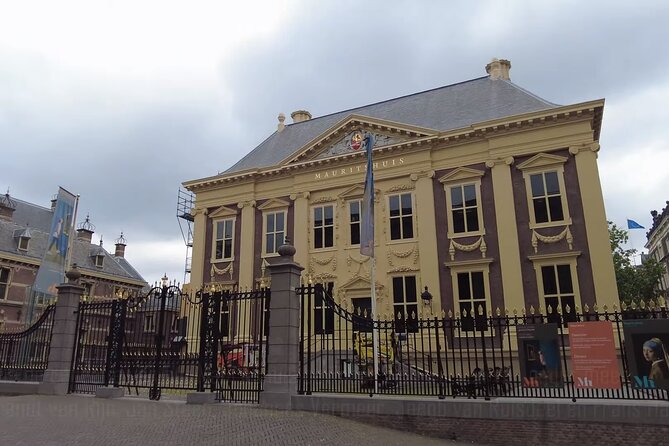
Your day starts in The Hague at Mauritshuis, where you meet your guide and get the museum’s background. Even if you only have a short window here, the point is strong: this is where Johannes Vermeer’s work is tied to Delft. That matters, because you will keep hearing the Delft thread all day.
What I like about starting here is the framing. You begin with art and context, then walk toward the seats of power. It helps you notice details later, like what people built and why they built it.
A practical note: plan for quick steps. This stop is short, so keep your questions ready for the guide rather than trying to read every placard on your own.
Binnenhof and Ridderzaal: where governance becomes a walkable landmark
Next you move to the Binnenhof & Ridderzaal, the parliament complex area. You step onto the square and your guide explains why this place matters. The best part of this kind of stop is scale. Even without a deep museum visit, you get a feel for how the Dutch system was built around specific spaces and traditions.
If you enjoy political history, this is a great place to anchor your day. If you do not, it still works because the buildings look unmistakably “institutional,” and they are easy to photograph without hunting for viewpoints.
Keep an eye on the flow. This is a brief introduction stop, then you continue walking, so do not get stuck wanting to linger.
Het Plein, Hofvijver, and the monuments you will actually remember
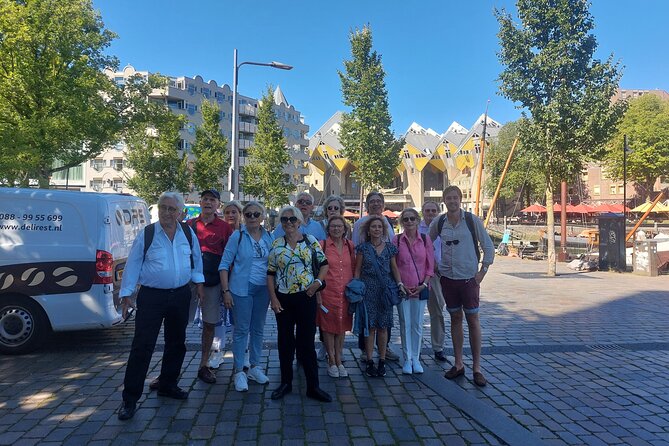
From Het Plein, you look toward Willem van Oranje, known as the father of the fatherland. It is a small moment, but it helps you understand why royal lineage and national identity keep showing up around The Hague.
Then the scenery shifts to the Hofvijver pond, right in front of the parliament building and the prime minister’s office, including that little tower reference. A pond in front of government sounds simple, but it creates a calm focal point. It also gives your brain a break from the formal architecture while you still learn the story behind it.
After that, you spot the Thorbecke Monument, which connects to the Dutch constitution. The guide’s role here is huge, because statues can feel like random decoration if you do not know what question they are answering.
More of The Hague, sea air included

Lange Voorhout: the Hague’s version of a polished promenade
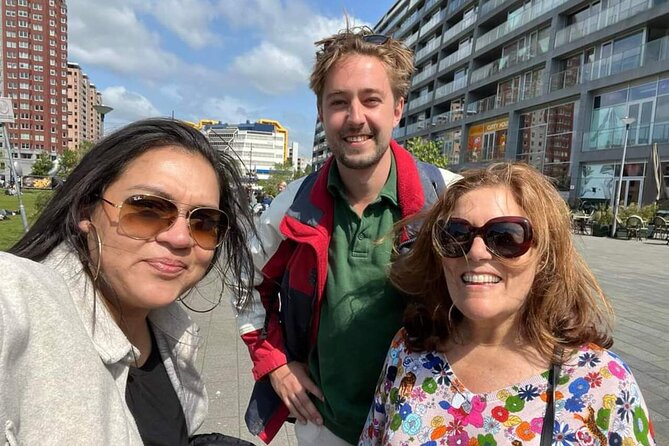
Lange Voorhout is the Champs-Élysées feeling street of The Hague, according to the tour description. You walk a bit and pass embassies, an art museum, a temporary senate building, and a statue gallery of Dutch heads of states.
What I like: this is a good street for “slow looking.” You do not need to memorize everything. You just get to absorb the vibe of official buildings and the tidy, formal layout that fits the Hague’s political identity.
If you are the kind of person who likes people-watching, this is also a solid spot. It’s easy to pause for photos and keep going without feeling behind.
Grote Kerk and Johan de Witt: church views plus a story with teeth
You see the Grote Kerk, where the guide points out the stork up on top. That kind of detail is exactly why a guided stop beats a standalone walk. You notice the stork because someone tells you what to look for.
Then you reach the Statue of Johan de Witt, with a grim headline attached: he was eaten by an angry mob. It sounds wild on paper, but it is the sort of story that makes the Dutch political landscape feel human and messy, not just official.
If you prefer lighter themes, you can still enjoy this stop as a chance to understand how memory works in public spaces. Otherwise, brace yourself for the darker side of civic history.
From The Hague to Delft: walking in an older world
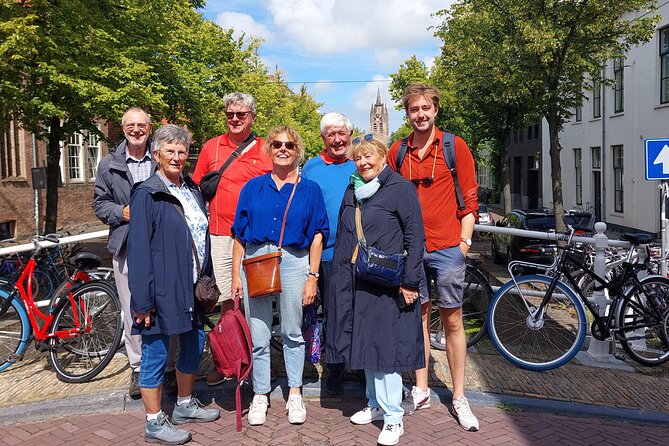
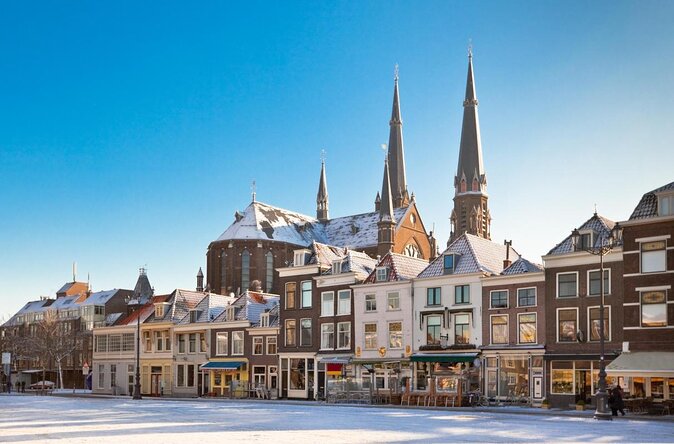
After the The Hague section, the day shifts toward Delft. You enter the city through Oostpoort, the only gate still standing. Walking through a historic gate instantly changes your mental setting. It tells your body you are in an older, slower frame now.
Then you continue a short walk to lunch at Beestenmarkt in Delft. This is not a rushed stop inside a restaurant chain. It is described as a cozy square with plenty of options for food and drinks, and it is exactly the right kind of place to recharge before more churches and canals.
Lunch at Beestenmarkt square: where the day stays comfortable
Lunch is included, and it happens at Beestenmarkt square. That matters because it is built into your schedule, not added as an afterthought. You save time and decision fatigue.
The square format also helps if your group has mixed interests. Want a quick bite and keep moving? Fine. Want to sit and chat for a bit? Fine too, since it is a public square with options.
One small consideration: lunch is one hour. If you tend to linger over meals, you might feel the clock. Still, you can use that time to decompress so the afternoon feels easier.
Delft churches and royal burial context: Maria van Jessekerk and Nieuwe Kerk
After lunch, you pass the Maria van Jessekerk, described as the first Catholic church built in central Delft. You also get the fun, guide-driven detail about the two towers, plus the link that Johannes Vermeer used to live on the spot connected to this area.
Then you head to the Nieuwe Kerk on the Markt (market) square. This is a major stop in Delft because it’s where the royal family is buried. Your guide also explains why Delft fits into royal burial choices, which helps turn a landmark visit into something you can explain later.
If you like architecture, you’ll enjoy how church spaces shape the center of a city. If you do not, the burial context still gives a reason to care.
Stadhuis Delft and the Old Church: town power and beer-era streets
At Stadhuis Delft, the old town hall, you see part of a building dating back to the 13th century. The guide also notes its earlier use as a prison, including a famous prisoner reference.
That is another theme of this tour: power in different forms. Here it is civic authority and punishment, not royal ceremony.
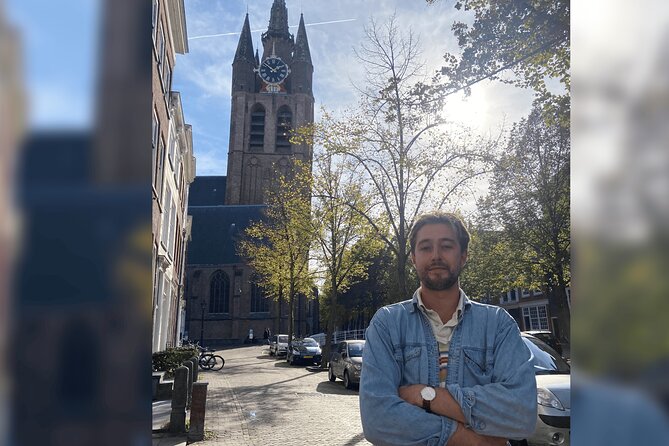
Then you walk into the Old Church area, described as the old beer brewing quarter. You’ll see the Old Church itself, including the attention-grabbing detail that the building is skewed. It’s the kind of fact that will stick in your mind because it looks odd even before you hear the explanation.
Expect more of this day to be “notice and learn.” If you enjoy that style, Delft is going to feel great.
Prinsenhof and Delft’s trade power: where art and politics meet
At Museum Prinsenhof Delft, you get a look into the inner court of the former residence of Willem van Oranje, including the fact that he was shot there. There is also a life-sized statue to compare your height. That might sound silly, but it is a smart way to make a serious story feel accessible.
Next is the Gemeenlandshuis van Delfland, a heavily decorated facade near the Oude Kerk area. You also get mention of the smallest museum of Delft. This is one of those stops that can feel easy to skip if you are sightseeing alone, but with a guide it usually becomes clear why the building mattered.
Then you walk toward Armamentarium, described as a former weapons armory and headquarters of the Dutch East India Company (Delft Chamber). This is your Dutch Golden Age trade angle, not just art and churches. The tour also notes you can look at the exact spot where Vermeer was standing for the painting View of Delft.
That is a strong moment because it connects three things at once: location, art, and the city’s shape.
Station Delft and the reset to Rotterdam
After the Armamentarium area, the day continues on foot past canals and toward Station Delft. Then a private car takes you to Rotterdam.
This transfer is part of the comfort of the day. You do not bounce between cities with long, stressful public transit segments. Your route uses train or car for short transfers, and the vehicle is air-conditioned.
When you arrive in Rotterdam, you head to the heart of the city.
Rotterdam Coolsingel and City Hall: modern center with historical weight
You arrive on the Coolsingel near Rotterdam City Hall, and your guide handles both outside and possibly inside time. Then you move toward Rotterdam Blaak and the Old Harbor direction.
Rotterdam can feel like a city built for the future, but this tour reminds you it still has anchors. You see those anchors as you move, rather than as distant sightseeing items.
Grote of Sint-Laurenskerk and Markthal: the city that rebuilt
Right by the modern Market Hall, you see Grote of Sint-Laurenskerk, a 14th century church whose tower survived bombing. Today, it’s mostly used as an event location, and your guide ties it to Erasmus.
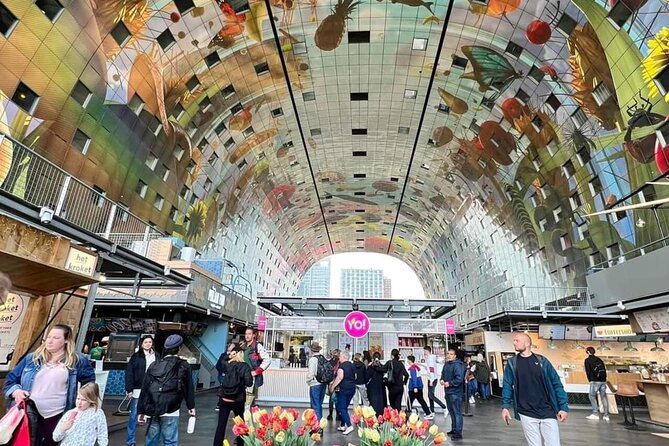
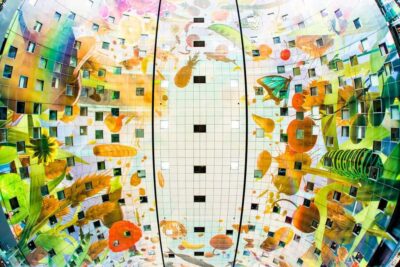
Then you step into Markthal, the impressive market hall. The tour points out that the building has apartments on both sides and many foods inside from around the world. You also look up at one of the biggest pieces of art on the planet, per the tour description.
This is one of those places where you might think you will just “look around.” But the guide context makes it better, because you understand what you are seeing beyond photos.
Kijk-Kubus Cubic Houses: practical weirdness you can visit
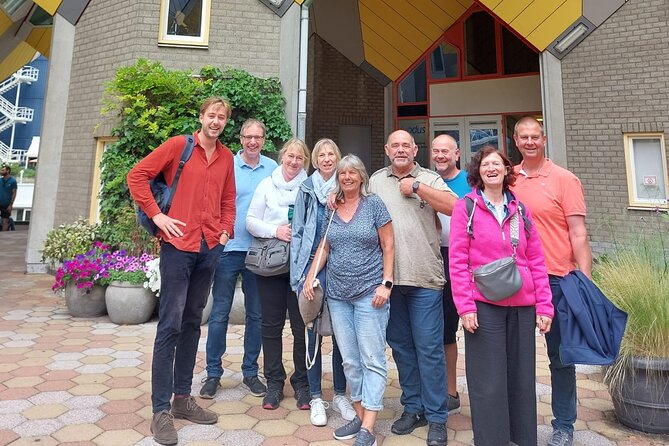
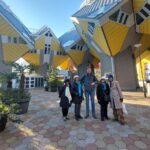
Next is Kijk-Kubus, one of Rotterdam’s famous cubic houses. These are described as a 1970s concept completed in the early 1980s, where people actually live.
You visit, and the Cubic House ticket is included, so you do not need to pay extra on the day. Your guide also explains the practical side, which is what makes this stop more than a novelty photo.
If you are deciding between “architecture as a concept” and “architecture you can walk inside,” this is the middle ground. You see the idea and the reality.
Witte Huis and Oude Haven: where the day ends with options
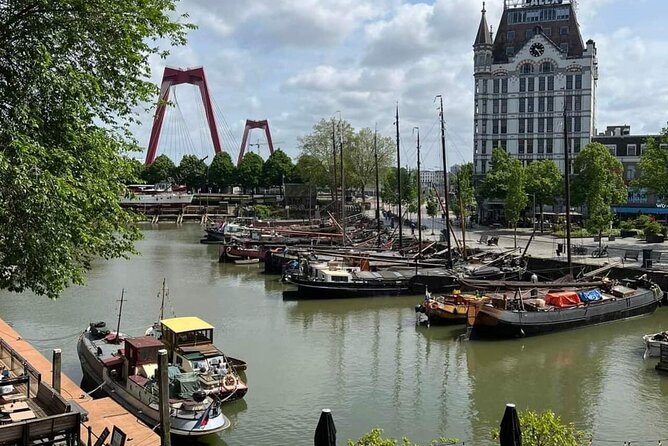
You finish at the Witte Huis, described as the first skyscraper in Europe and also one of the few buildings to survive bombing in central Rotterdam. Then you reach Oude Haven, the old harbor area that is now a lively recreational zone with terraces and bars.
The tour ends here, which is smart. You are not forced into one final, scripted museum. You can sit, grab a drink, or ask your guide for recommendations to keep exploring, including heading toward the river Maas south bank within about 10 minutes.
This ending style works well because Rotterdam can be more fun after you have your bearings.
Price and value: what $552.69 buys you
At $552.69 per person, this is not a budget group tour. You are paying for a private guide, included lunch, and the kind of door-to-door planning that saves time.
Here is what you are getting that actually adds value:
- Private city tours across three separate areas, not just a few highlights.
- Lunch in Delft at Beestenmarkt, so your midday time stays protected.
- Transfers between cities by train or car, plus an air-conditioned vehicle.
- Cubic House tickets included (so one big attraction cost is handled).
- All fees and taxes are included, which reduces surprises.
The big value question for you is your travel style. If you like to see a lot but hate logistics, this can feel worth it. If you prefer to wander slowly and book sights yourself, the price might feel steep.
Also, this tour appears to sell well, with an average booking window around 159 days. That’s a hint it’s popular, so if you want your preferred start option, plan ahead.
Who should book this tour, and who might not love it
This day works best if you want:
- A guided walkthrough that ties together art, politics, and architecture.
- A one-day fix for The Hague, Delft, and Rotterdam without switching hotels.
- Short, focused stops with explanations, not long museum marathons.
It might not be ideal if:
- You dislike walking or standing for longer stretches.
- You want lots of free time inside major museums, because much of the day is structured as guided visits and quick landmark moments.
- You want a pure “museum day” with extended ticketed entry time, since the schedule is balanced across neighborhoods and views.
The tour does say moderate physical fitness is best. If you are in that range, you’ll likely enjoy it. If not, consider asking for a pace adjustment.
Should you book this private Hague, Delft, Rotterdam day?
If your ideal trip is one guide, three distinct Dutch flavors, and a day where lunch and a major attraction are already handled, then yes, book it. The strongest reason is how smoothly the tour connects themes: Vermeer and Delft links, political power in The Hague, and Rotterdam’s rebuilt identity.
If you are chasing lots of unstructured downtime or you want to linger deeply inside museums, this may feel a bit scheduled. But if you want to make smart use of limited time, this private route is a very practical way to see the Netherlands beyond the single most famous city.
FAQ
How long is the private tour of The Hague, Delft, and Rotterdam?
It runs for about 8 hours.
Is lunch included, and where do you eat in Delft?
Yes. Lunch in Delft is included, and it is planned around Beestenmarkt square.
Is the Cubic House visit included in the tour price?
Yes. Tickets to a Cubic House are included.
Can I choose to start in The Hague or Rotterdam?
Yes. You can do the tour either way, starting in The Hague or starting in Rotterdam.
Do you offer pickup and drop-off?
Hotel pickup and drop-off by car are available if you book that option.
How do you travel between the cities during the day?
Short transfers between cities are done by train or by car, using an air-conditioned vehicle.
Is this a private tour?
Yes. It is private, and only your group participates.
What time does the tour start, and how does cancellation work?
The start time is 8:45 am. You can cancel for a full refund up to 24 hours in advance of the experience’s start time.
Delft, Three More Ways

The Hague and the Sea



Still in Rotterdam? Keep Going


Fresh off the review pile in The Hague
- Private Tour of Vermeer’s Delft + Tickets to Vermeer Museum
★ 5.0 · 3 reviews - Private Tour of Rotterdam and The Hague including Transfer
★ 5.0 · 3 reviews - Surfing at The Shore in The Hague
★ 4.5 · 3 reviews - 3 Course Walking Dinner in Delft with Guided Tours in Between
★ 5.0 · 3 reviews - Surprise Walk of The Hague with a Local
★ 4.5 · 3 reviews
Rotterdam Tours, compared.
 ★ 4.3Rotterdam: Harbor Sightseeing CruiseFrom $227,599 reviews
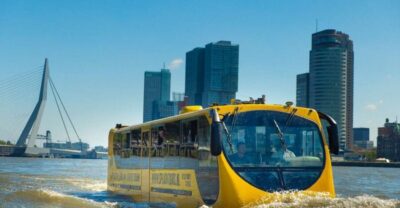 ★ 4.5Rotterdam: 1-Hour Sightseeing Splash TourFrom $353,299 reviews
 ★ 4.6Rotterdam: Rotterdam Zoo Blijdorp Entry TicketFrom $322,754 reviews
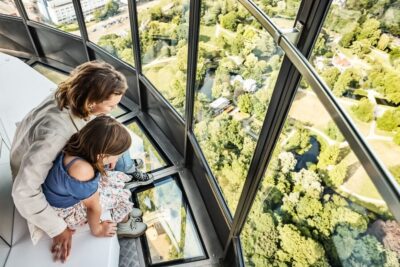 ★ 4.4Rotterdam: Euromast Lookout Tower TicketFrom $212,549 reviews
 ★ 4.4Rotterdam: Pancake CruiseFrom $311,986 reviews
 ★ 4.2From Amsterdam: Rotterdam, Delft & The Hague Guided Day TourFrom $901,765 reviews
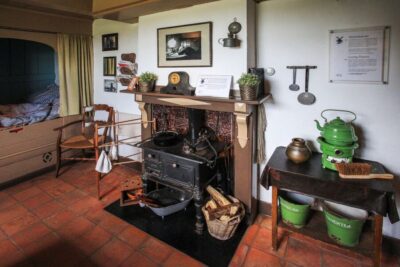 ★ 4.6Rotterdam: Kinderdijk UNESCO World Heritage Entry TicketFrom $251,477 reviews
 ★ 4.0Rotterdam: Harbor Cruise with Live GuideFrom $141,270 reviews
Browse the lists this tour appears in