
REVIEW · AMSTERDAM
Amsterdam: Anna Frank and World War II History Walking Tour
Two hours in Amsterdam, and the past gets close. I like how this walk connects the wider story of the Jewish community in Amsterdam to what Anne Frank’s family endured, without turning it into a checklist. You also get to see the Anne Frank House exterior and hear how her writing helped people understand the human side of the Holocaust.
What really works for me is the stop at the names memorial tied to the deaths of 120,000 Jewish, Sinti, and Roma people during World War II, and the guide’s clear way of tracing the Jewish presence in Amsterdam back to around 1600. One drawback to consider: this is heavy material, and it is still a walking tour, so come prepared for emotion and some street time.
In This Review
- Key highlights you will not want to miss
- Where the tour starts at H’ART Museum (former Hermitage) in the Amstel area
- The names memorial for 120,000 Jewish, Sinti, and Roma victims
- Tracing the Jewish district in Amsterdam, from around 1600 to the Nazi occupation
- Walking Amsterdam during the war, and seeing how the city shaped the story
- Reaching the area of the Frank family’s two years in hiding
- Anne Frank House exterior viewing, plus the optional inside visit with an audio guide
- Language and pacing: Italian guide on a focused 2-hour route
- Price and value at about $28 per person
- Who this walking tour suits best
- Should you book the Anne Frank and WWII History Walking Tour?
- FAQ
- How long is the Amsterdam Anne Frank and WWII history walking tour?
- What does the tour cost?
- Where do I meet the guide?
- Where does the tour end?
- Is Anne Frank House entry included?
- Is there an audio guide for the Anne Frank House?
- What language is the guide?
- What is included in the tour price?
- What is the cancellation policy?
- Is there a reserve now, pay later option?
Key highlights you will not want to miss
- H’ART Museum meeting point in the Amstel area, an easy starting location
- Names memorial honoring the 120,000 Jewish, Sinti, and Roma victims
- Jewish district context from around 1600, not just the wartime years
- Nazi occupation and Holocaust lessons explained through the streets of Amsterdam
- Anne Frank in hiding for two years, reached by walking across the city
- Anne Frank House exterior, with an optional inside visit using an audio guide
More wartime ground to cover in Amsterdam
- Amsterdam: Life of Anne Frank and World War II Walking Tour★ 4.8 · 10,467 reviews
- Amsterdam: Dutch WWII Resistance Museum Entry Ticket★ 4.7 · 951 reviews
- Small Group Tour to Nazi WWII concentration camp from Amsterdam★ 5.0 · 112 reviews
- Amsterdam: Anna Frank and World War II History Walking Tour★ 4.8 · 86 reviews
Where the tour starts at H’ART Museum (former Hermitage) in the Amstel area
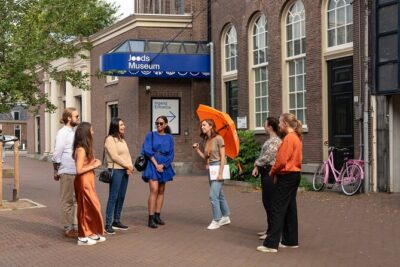
The experience kicks off at the entrance of the H’ART Museum, which used to be the Hermitage. That matters because you are starting in the part of Amsterdam that many people use to orient themselves, so you do not feel lost right away. You meet the guide at this entrance and begin with your first wartime reference points before the walk starts connecting those dots to the city around you.
Since the tour runs about two hours, the start has to do two jobs fast: set the historical frame, and get you moving. Expect a brief introduction from a live guide, then you head toward the memorial stop that grounds everything that comes next.
If you are the type who likes to understand a place, not just photograph it, you will appreciate that early structure. You get the story, then you walk it.
The names memorial for 120,000 Jewish, Sinti, and Roma victims
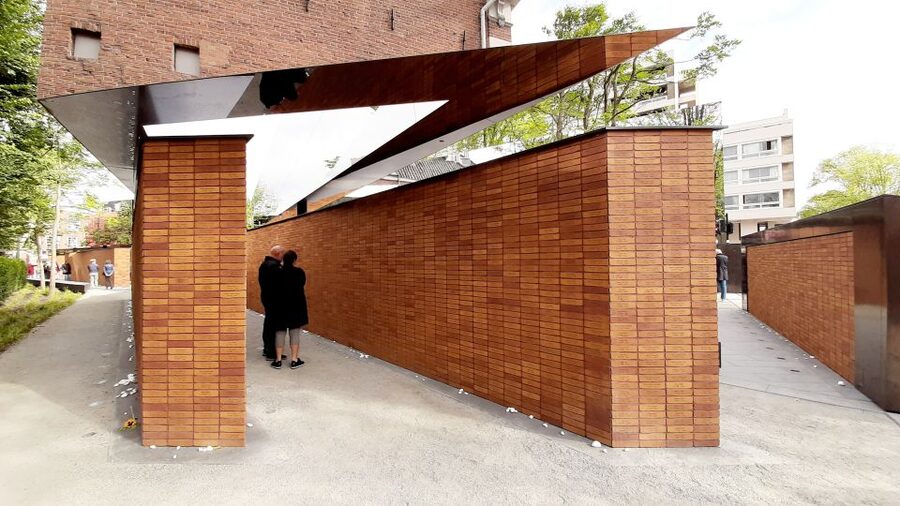
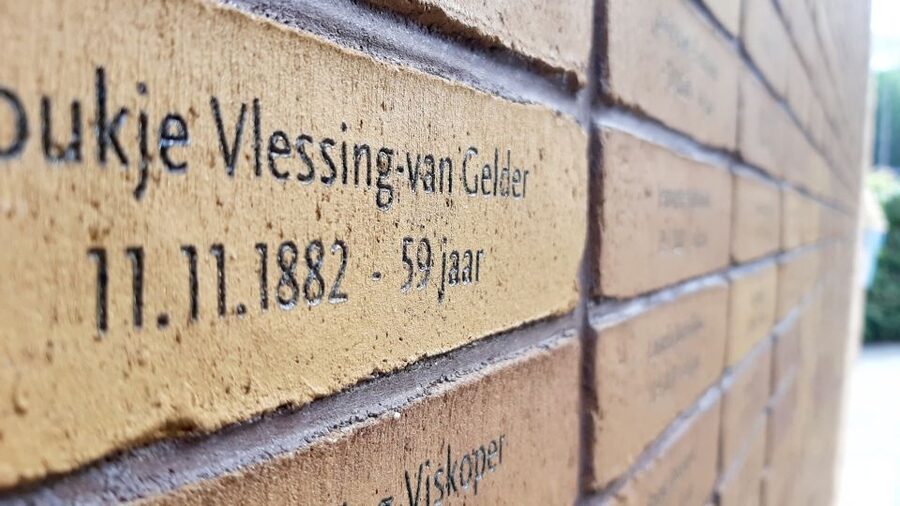
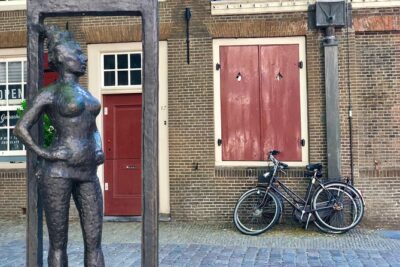
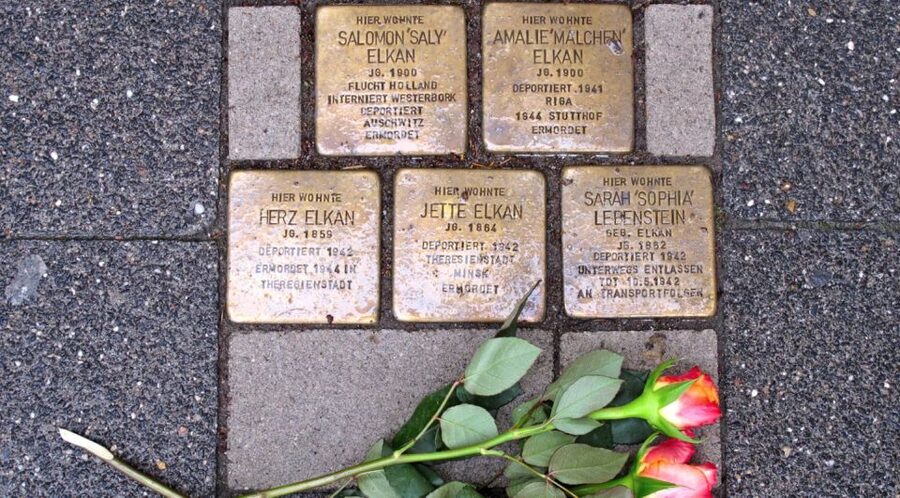
A key moment is the visit to Amsterdam’s names memorial monument, tied to the killing of 120,000 Jewish, Sinti, and Roma people during World War II. This is not a general war-history stop. It is direct and specific, and it shifts your focus from dates and policies to names and lives.
What I find valuable here is that it prevents the tour from jumping straight to Anne Frank as an individual story. Anne Frank’s story is powerful, but the memorial stop reminds you that the Holocaust was systemic and that many people were affected. The guide’s framing helps you hold both scale and personal narrative at the same time.
Be ready for a quiet, reflective moment. You will likely want to pause and really look. And if you prefer to keep moving, you can do that too, but at least let the memorial land before you switch into walking mode.
Tracing the Jewish district in Amsterdam, from around 1600 to the Nazi occupation
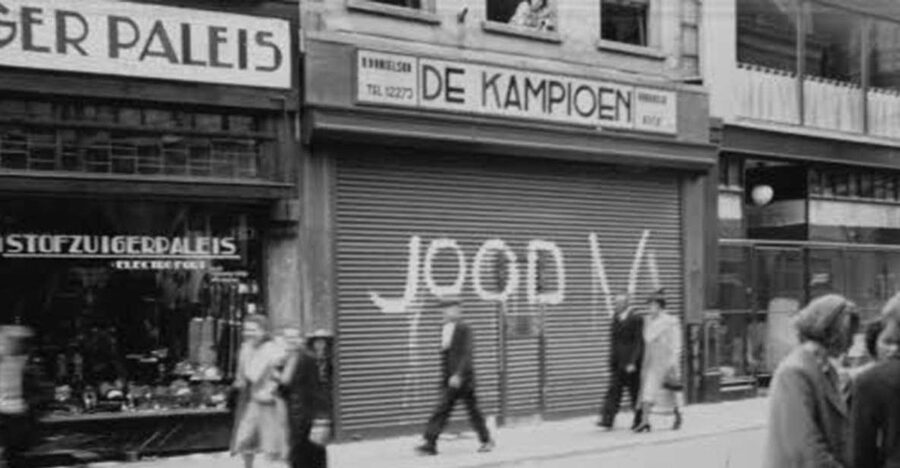
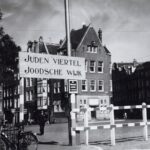
After the memorial, the tour explores Amsterdam’s ex-Jewish district and explains how this community connected to the wider city. Instead of limiting the story to the Nazi occupation years, you get origins and development, including the early roots of the Jewish community in Amsterdam dating to around 1600.
For many visitors, this part changes how they see the city. You stop thinking of the Jewish quarter as only something that existed in memory, and you start thinking of it as a lived neighborhood, with a real place in Amsterdam’s urban fabric. The guide walks you through what made the district matter, and how it fit into the broader city rather than sitting off to the side.
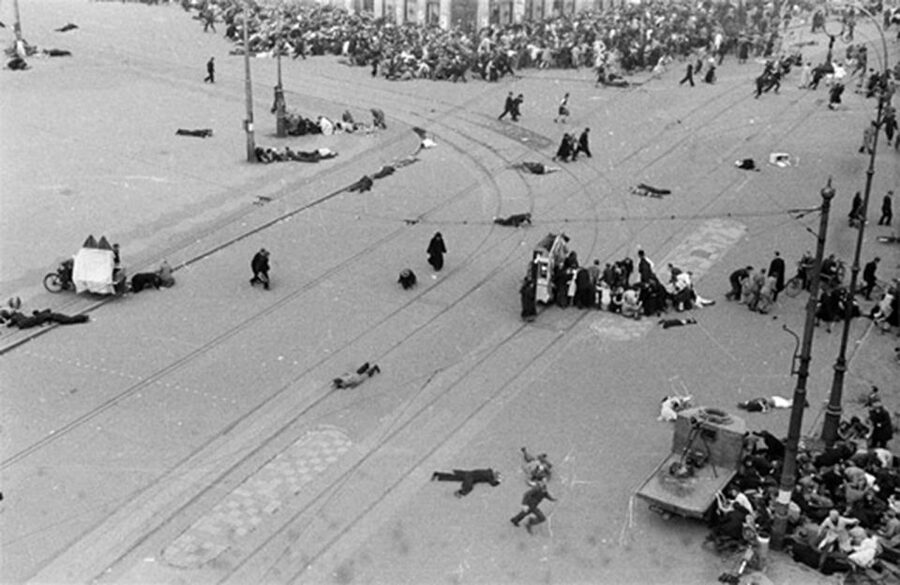
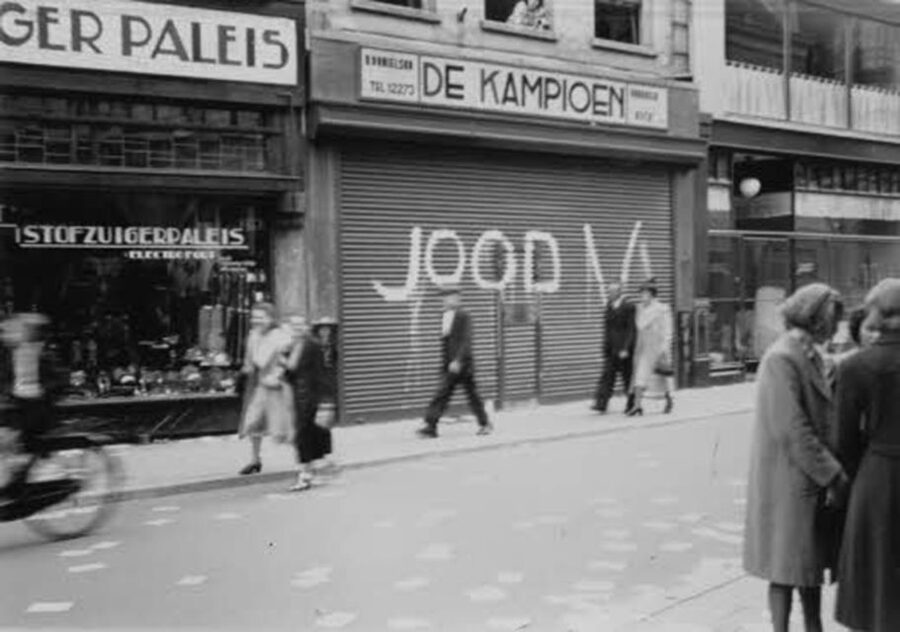
Then the narrative turns toward the Nazi occupation and what happened in Amsterdam. The tour connects the policies to the street level, so the “how” becomes clearer: how control spread, how fear shaped daily life, and how the Holocaust unfolded in this city.
If you like cause and effect, you will enjoy this pacing. It keeps the story coherent, instead of jumping between eras.
Walking Amsterdam during the war, and seeing how the city shaped the story
One reason this walk feels different from a standard museum-style tour is that you are moving through real city space while hearing a wartime narrative. You cross Amsterdam and reach areas tied to the Jewish district and to the broader relationship between the community and the city’s life.
As you walk, your brain does something helpful: it maps the story onto geography. You begin to understand how a hiding place, a neighborhood, and a city under occupation are not abstract concepts. They are places where people lived, moved, and were targeted.
The guide’s job here is tough, because the topic is intense. The good news is that the tour is designed for people who genuinely want to understand what happened in Amsterdam during World War II, not just check off an Anne Frank stop. That focus comes through in the way the story is kept moving, with enough context to stay grounded.
A practical note: wear comfortable shoes. You are covering enough ground that your legs matter, especially on a topic this emotionally serious. If you start the tour tired, the walk can feel longer than it should.
Prefer to see it on foot? More Amsterdam walks

Reaching the area of the Frank family’s two years in hiding
Eventually, the tour crosses the city to the part of Amsterdam where Anne Frank and her family stood in hiding for two years before their deportation. This is the segment where many people’s attention locks in. You are no longer learning in a classroom sense, you are arriving at the street-level location that connects the story you read to the city where it happened.
The tour ends at the entrance of the Anne Frank House, so you get the best of both worlds: guided context from the streets, then your chance to decide what you want next. Importantly, you are not touring inside as part of this walking segment. Instead, you see the house from the outside while the guide explains the surrounding history.
I like how this approach respects the visitor experience. You are not rushed through a building just to hit a schedule. You get context first, which often makes an inside visit later more meaningful.
If you are someone who prefers emotional clarity, you might also appreciate the way the tour connects the material to the writing. The tour highlights how Anne Frank’s writing brought life to the story, helping you understand the human stakes rather than treating it like a distant tragedy.
Anne Frank House exterior viewing, plus the optional inside visit with an audio guide
The Anne Frank House entry is not included with the tour price. That means the guide-led walk gives you the crucial historical framing, then you are free to choose whether you want to go inside on your own.
Here is the useful part: you do receive an audio guide for an autonomous visit. So if you do enter, you are not walking in blind. You can take it at your own pace and spend time where you personally need it.
This setup is often good value, even if you eventually buy an entry ticket separately. You are paying about $28 for a guided WWII history walk that sets the stage, and then you only pay extra if you want the inside experience.
If you do plan to go inside, give yourself enough time. Do not treat it like a quick photo stop. When a place is this significant, your brain needs a few minutes to shift gears from street-level history to room-level testimony.
Language and pacing: Italian guide on a focused 2-hour route
This tour runs about 2 hours, which is a sweet spot. Long enough for real context, not so long that it becomes tiring and scattered. The structure helps you understand multiple layers: the Jewish district origins, wartime occupation, and Anne Frank’s hiding situation.
One thing to plan for is language. The tour guide speaks Italian. If you do not speak Italian fluently, you might still follow if you are comfortable reading basic context, but the experience will depend heavily on comprehension. If you are considering this and Italian is not your strength, you might want to check whether you can pair it with your own notes or audio support after.
Also, keep expectations realistic. This is not a theatrical performance. It is a historical walking tour, and that works best when you let the facts and the locations do the talking.
Price and value at about $28 per person
At $28 per person, you are paying for a live guide and a two-hour walking format that covers a lot of ground conceptually, not just physically. The guide is the main “value engine” here. You get explanation of the Jewish community’s origins around 1600, the Nazi occupation, and the specific Amsterdam connection to Anne Frank’s family hiding period.
What keeps the price honest is that Anne Frank House entry is not included. You are not paying for a ticket you may not use. Instead, you get the outside viewing and the guided context, and then you choose whether you want to pay separately to go inside.
When you are comparing options, think in terms of what you want. If you want street-level storytelling plus the option to visit inside later, the value can be strong. If you only care about the house interior, you might find another option that includes entry better fits your needs.
Who this walking tour suits best
This is a strong match for history lovers and for anyone who wants to know Anne Frank with more context than a standalone site visit. If you like understanding how a community fit into a city, you will appreciate the focus on the Jewish district and its relationship to wider Amsterdam.
It also suits people who learn well from guided storytelling. The guide-led approach helps you connect memorial, neighborhood context, occupation details, and Anne Frank’s hiding period into one coherent walk.
If you are easily overwhelmed by Holocaust content, plan emotionally ahead. You are choosing a tour centered on that subject, and it will ask you to sit with it.
Should you book the Anne Frank and WWII History Walking Tour?
I think you should book it if you want a guided way to understand Amsterdam during World War II and you like the idea of seeing the Anne Frank House exterior with context before you decide on an inside visit. The combination of a names memorial stop and the story of the Jewish community, followed by the walk to the Frank family hiding area, makes it feel grounded, not generic.
Skip it, or reconsider, if you need a tour in a language you fully understand, since this one is Italian, and since the topic depends on clear explanation. Also consider it if you want only quick sightseeing, because this is built for comprehension, not speed.
FAQ
How long is the Amsterdam Anne Frank and WWII history walking tour?
It lasts about 2 hours.
What does the tour cost?
The price listed is $28 per person.
Where do I meet the guide?
You meet at the entrance of the H’ART Museum (ex Hermitage) in the Amstel part of Amsterdam.
Where does the tour end?
The tour ends at the entrance of the Anne Frank House (and the activity information also indicates it returns to the meeting point area).
Is Anne Frank House entry included?
No, entry to the Anne Frank House is not included.
Is there an audio guide for the Anne Frank House?
Yes. An audio guide is supplied if you choose to visit the house inside on your own.
What language is the guide?
The live guide speaks Italian.
What is included in the tour price?
You get a local guide and the walking tour.
What is the cancellation policy?
Free cancellation is offered up to 24 hours in advance for a full refund.
Is there a reserve now, pay later option?
Yes. You can reserve now and pay later, so you do not pay today.
Everything Else From Our Amsterdam Notebook




Also Reviewed Around Amsterdam





Wartime Amsterdam


Fresh off the review pile in Amsterdam
- Full-Day Trip From Amsterdam to Keukenhof, Zaanse Schans + Cruise
★ 5.0 · 3 reviews - Boutique Dutch Food & History Tour with up to 8 guests only
★ 5.0 · 3 reviews - Private Tour to Windmills Zaanse Schans +Keukenhof – 7 Hours
★ 5.0 · 3 reviews - Full-Day Private Guided Countryside Tour from Amsterdam by Bike
★ 5.0 · 3 reviews - Amsterdam Red Light District and Old Town Walking Tour
★ 5.0 · 3 reviews
Dutch WWII History Tours, compared.
 ★ 4.8Amsterdam: Life of Anne Frank and World War II Walking TourFrom $3710,467 reviews
 ★ 4.7Amsterdam: Dutch WWII Resistance Museum Entry TicketFrom $21951 reviews
 ★ 4.6Oranjehotel World War II Prison Entrance TicketFrom $15708 reviews
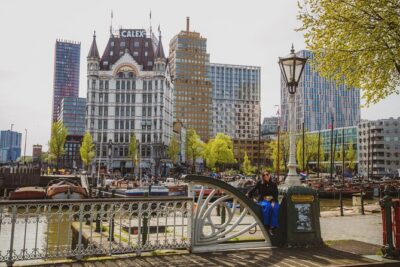 ★ 5.0Rotterdam Walk: Hilights, Gems, Architecture & WWII | 2 or 3hrsFrom $49149 reviews
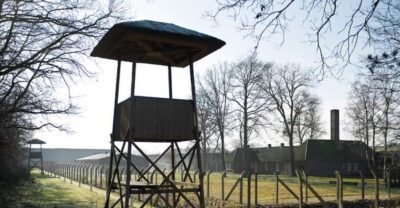 ★ 4.6Vught: National Monument Concentration Camp Entry TicketFrom $14137 reviews
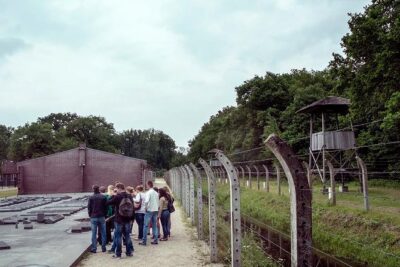 ★ 5.0Small Group Tour to Nazi WWII concentration camp from AmsterdamFrom $199112 reviews
 ★ 4.5Amsterdam: Anne Frank and World War II Walking Tour (TOP RATED)From $2972 reviews
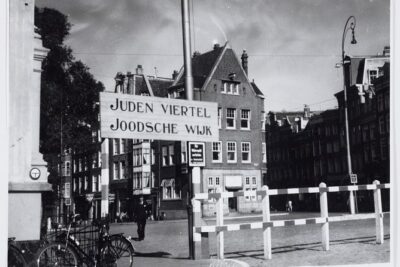 ★ 5.0Amsterdam in World War II TourFrom $4663 reviews
Browse the lists this tour appears in