
REVIEW · DELFT
Delft: Canal House Museum ‘Paul Tetar van Elven’ Ticket
A Delft canal house with real artist energy. I love how Paul Tetar van Elven’s preserved interiors make the place feel lived-in, and I also love the sense of taste shown in the Salon ceiling and the collection cabinets. The only drawback is simple: it is a museum house, so if you want a big, modern, hands-on attraction, this may feel a bit slower and more museum-like.
On the Koornmarkt in the center of Delft, this is the kind of stop that works great when you want something authentic but not exhausting. The house originally goes back to the 16th century, then it got updated over time, and Tetar bought it in 1864, shaping the interiors to match his era. You’ll walk through rooms that still reflect his personal world, from art and antiques to Delft Blue and even porcelain imported from far away.
Plan on using it as a focused 1-day cultural stop. Also, note that food and drinks are not included, so come ready to browse comfortably and then eat afterward in Delft’s center.
In This Review
- Key highlights you should not miss
- Why this Delft canal house museum feels different
- Entering the museum house on the Koornmarkt
- Rooms that show both lavish taste and real daily life
- The Salon ceiling by Abraham Gips and the old masters connection
- Tetar’s collections: Delft Blue plus porcelain from far away
- Studio and library: where a drawing-master lived on paper
- What the museum ticket gives you, and what it does not
- How to plan your one-day Delft visit around it
- Who should book this museum house
- Quick decision: should you book?
- FAQ
- Where is the Museum Paul Tetar van Elven located?
- How much does the ticket cost?
- How long should I plan for the visit?
- What does my ticket include?
- Are food and drinks included?
- What languages are available?
- What collections and features can I expect to see?
Key highlights you should not miss
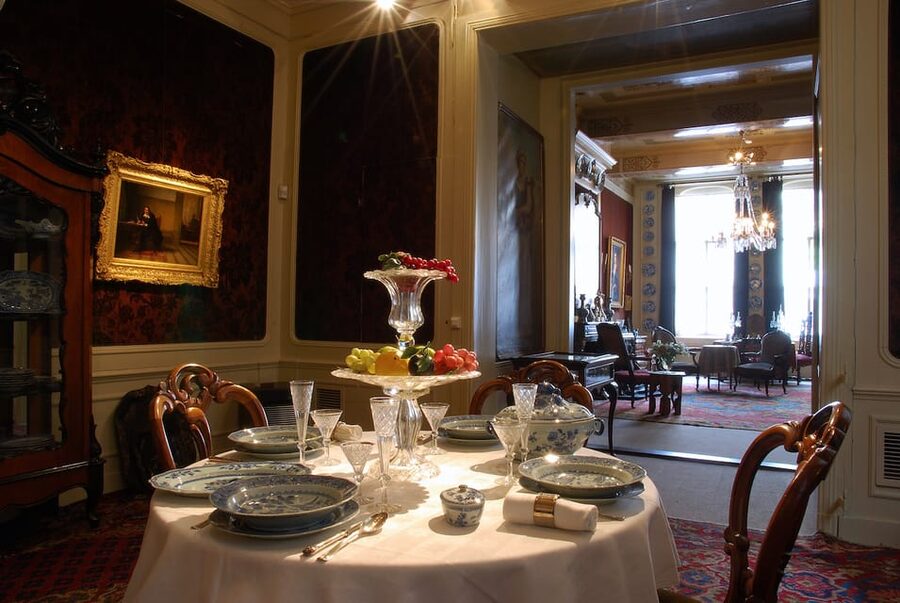
- A well-preserved 19th-century artist’s house that feels authentic, not staged
- The Koornmarkt canal-house setting, right in Delft’s center
- The Salon ceiling painted by Abraham Gips, naming the old masters Tetar copied
- Delft Blue, antique pottery, and porcelain, including pieces tied to Far East collecting
- Personal spaces like the studio and library, including Tetar’s antique books
More time on the water? Other Delft canal cruises we have been on
- Delft: Canal House Museum ‘Paul Tetar van Elven’ Ticket★ 4.5 · 6 reviews
Why this Delft canal house museum feels different
Most museum visits are about artifacts behind glass. This one is about atmosphere. The house of Paul Tetar van Elven, located on the Koornmarkt, was left to the public through his will, with the house and its contents turned into a museum. That matters because you are not just seeing objects, you are seeing how they sat in the rooms of a working artist and teacher.
I like that the museum is anchored to a specific person with a specific job. Tetar was an artist and a drawing-master tied to the Technical University of Delft (back then, the Polytechnic School). He also had a collector’s eye, building collections that ranged from art and antiques to Delft blue pottery and porcelain from the Far East. So the visit works on two tracks: art and collecting, plus how a creative mind organized everyday life.
And the best part is that the house’s long timeline is visible. The building dates from shortly after the Great Fire of Delft in 1536, when the Koornmarkt became one of the wealthiest areas of the city. Renovations happened in later centuries, including major updates around 1800, and Tetar’s 1864 purchase came with interior adjustments that followed contemporary fashion. The result feels cohesive, even though it contains layers of time.
Entering the museum house on the Koornmarkt
When you arrive in Delft’s center, keep your expectations aligned with the space. This museum is inside a canal house, and that means you get a slow, walk-through experience rather than a giant exhibition hall. The payoff is that you can absorb the rooms as rooms, not as display units.
The house is described as the only well-preserved authentic example of a 19th-century artist’s house in the Netherlands. That phrasing is doing a lot of work. It signals that you are seeing period rooms with the kind of continuity that rare museums manage to keep. You are not piecing together the past from reproductions. You are experiencing it in the context of an actual canal house layout.
Also, because Tetar had a “living-in” collecting style, you’ll notice the museum doesn’t feel like it was stripped down. Instead, it feels like the artist and his wife could come into the room at any moment. That is a rare feeling in museum spaces, and it comes from the combination of interior design, furnishings, and the collections being placed where they make sense.
Rooms that show both lavish taste and real daily life
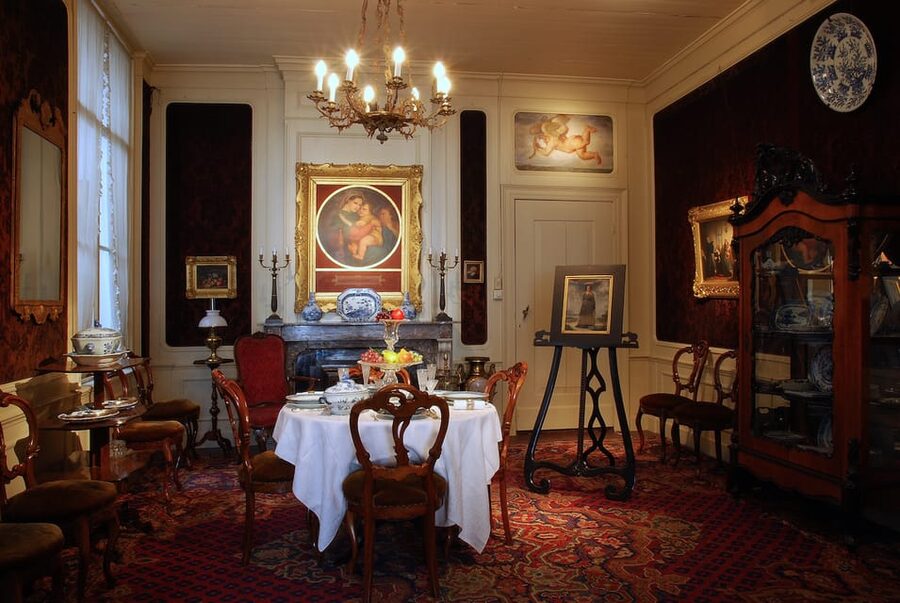
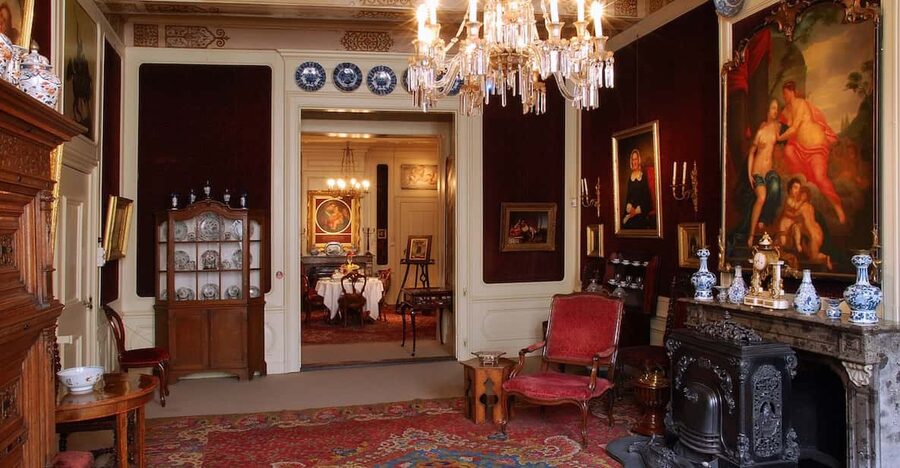
The interior is where you’ll likely spend most of your time. The museum is known for the lavishly furnished drawing rooms, and I understand the draw. In a canal house, furnishings aren’t just decoration, they communicate status, comfort, and habits. Tetar’s rooms lean into that idea, giving you a sense of how an established artist and collector might receive visitors and spend quiet hours.
As you move through, look for how the museum groups things thematically. You’ll find portraits and paintings by Tetar himself and by his contemporaries, which helps you connect the collector to the creator. It’s a useful link, because it prevents the collections from feeling random. Instead, you can see Tetar’s taste as something tied to training, admiration, and active work.
A smart way to approach this section is to slow down on the first rooms. If you rush, you only catch the “wow” and miss the pattern. If you linger, you’ll start to see how a drawing-master’s life would blend art education, collecting, and social presentation in one home.
One consideration, though: if you’re visiting in a hurry between other Delft sights, this museum can be the kind of stop where you lose time simply because you want to look longer. If your day is packed, set aside enough focus so you don’t feel like you’re sprinting through someone else’s home.
The Salon ceiling by Abraham Gips and the old masters connection
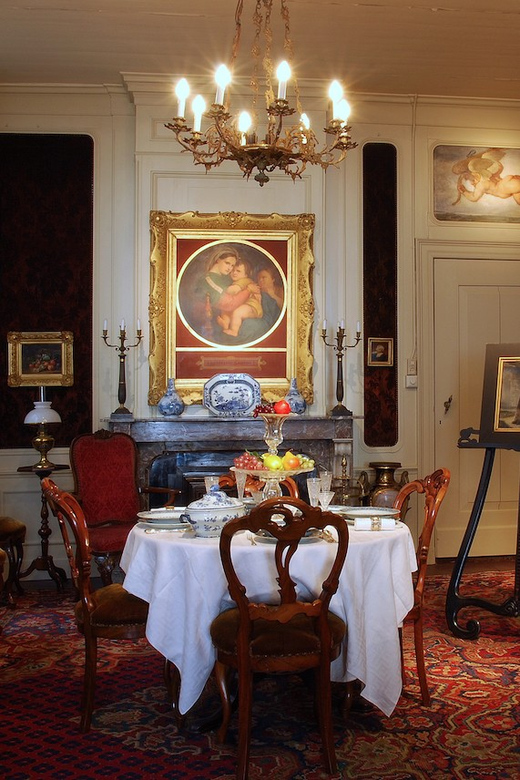
There’s one moment that gets singled out for good reason: the painted ceiling in the Salon. Tetar commissioned Abraham Gips, a Dutch painter who lived from 1861 to 1943, to decorate it with the names of the old masters Tetar admired and copied, including Raphael, Rubens, Rembrandt, and others.
This is more than ceiling decoration. It’s an educational map of influence. Tetar wasn’t just collecting finished masterpieces. He was defining a personal curriculum of who mattered to him. And since he was a drawing-master, the idea of copying and studying makes this feel coherent rather than ornamental.
When you look up at the ceiling, give yourself a minute to read the concept, not just the visual. The ceiling turns the Salon into a study space and a statement of artistic lineage. If you care about how artists learn, this detail quietly becomes one of the most meaningful parts of the house.
Also, it’s a strong photographic subject if your phone camera handles interior light well. Just be respectful of other visitors and avoid blocking doorways while you frame your shot.
Delft, three more ways
Tetar’s collections: Delft Blue plus porcelain from far away
Then there’s the part many visitors come for: the cabinets with Tetar’s collection of pottery and porcelain. The museum reflects his collecting interests across categories: Delft blue pottery, antiques, and porcelain associated with the Far East.
This combination is fascinating because it shows how global influence reached Delft through trade and collecting. Delft was famous for its blue pottery, and Tetar treated that tradition like a serious collecting area rather than a tourist souvenir. Pair that with porcelain from elsewhere and you get a collector’s version of world reach, organized by personal preference.
When you’re viewing the cabinets, don’t only look for the most eye-catching pieces. Instead, check for variety in style and function. Even without a formal “how to read ceramics” label, you can usually feel the difference between decorative display pieces and items meant to be used, and that is part of the charm.
If you love ceramics, antique decor, or the story of how Delft Blue became a broader cultural symbol, you’ll probably enjoy this section the most. If you’re more focused on painting and portraits, the ceramics still matter, because they reveal how Tetar’s household connected art, craft, and collecting.
Studio and library: where a drawing-master lived on paper
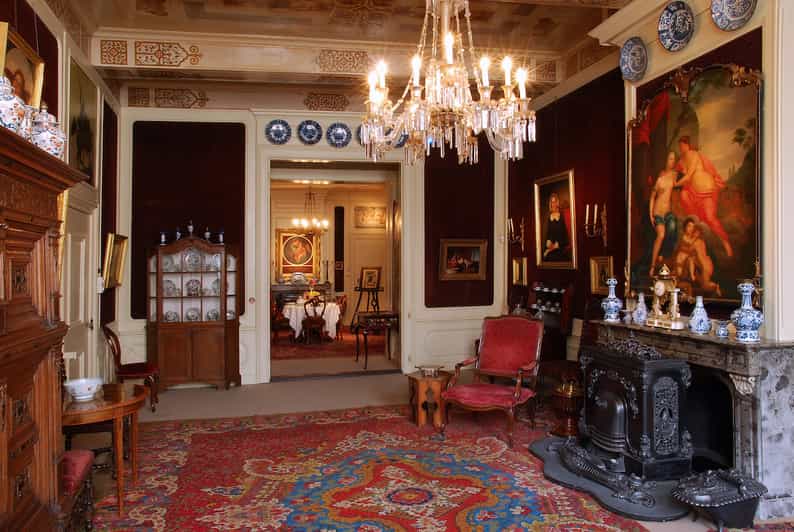
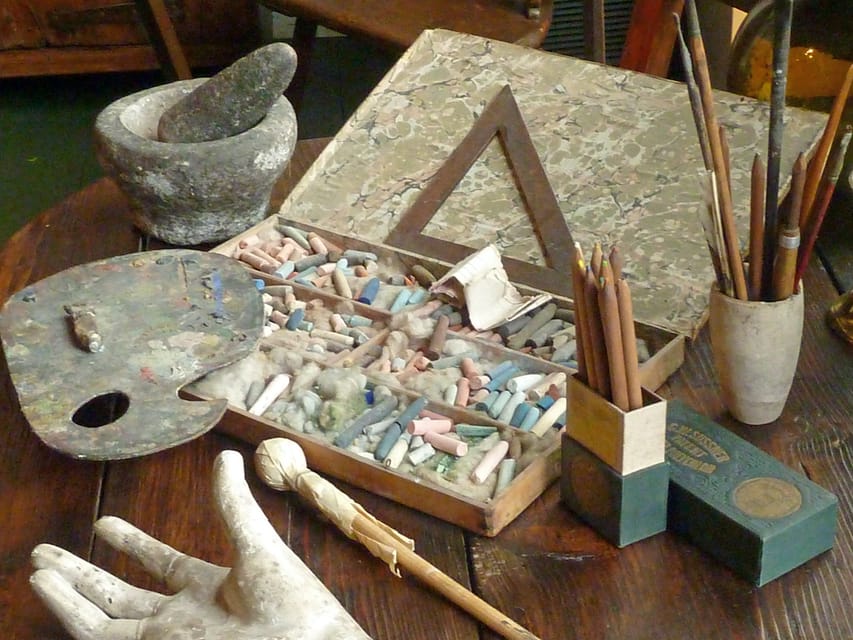
The museum also includes a studio with Tetar’s personal possessions and a library featuring his collection of antique books. This is the section that makes the visit feel extra human. People tend to remember art and decor, but a studio and library tell you how a person worked.
A studio is where talent becomes practice. Even if you don’t know every detail of drawing techniques, the presence of personal items and the studio context help you imagine Tetar returning daily to his craft. For me, that makes the rest of the rooms feel more grounded. The paintings and objects stop being just “collections” and start being the output of a working routine.
The library adds a different kind of pleasure. Antique books hint at research, references, and the broader reading habits that often sit behind artistic learning. Since Tetar was a drawing-master, it makes sense that reading and studying were part of his life. Even if you can’t read every text, seeing a library collection in its original setting helps you understand the museum as a full home, not just a display.
What the museum ticket gives you, and what it does not
Your ticket covers entry to the Museum Paul Tetar van Elven. That’s it. Food and drinks are not included, so plan a snack or plan to eat nearby in Delft.
Also, because this is a museum house, you should mentally plan your time as a comfortable walk through rooms. If you’re the type who reads labels, you’ll likely spend longer. If you prefer quick pacing, you can still see the big features, but the experience is better when you slow down enough to notice ceiling details and cabinet displays.
At $14 per person, you’re paying for something specific: a preserved 19th-century artist’s home with original interiors and a focused collection. In that context, the value is solid, especially if you’re already planning to be in Delft’s center. If your trip is short and you’re choosing between multiple attractions, I’d treat this like a high-quality “one good museum” type of stop rather than a filler.
How to plan your one-day Delft visit around it
This experience is designed to fit a day trip rhythm. Since it’s a canal house museum in the center, you can pair it with other Delft highlights without needing complex transport planning.
Here’s a simple way to structure your day:
- Start with the museum when you have your attention intact, not when you’re tired.
- Give yourself enough time to look upward in the Salon and spend real time with the pottery and porcelain cabinets.
- Afterward, eat in the center, since the museum itself does not include food.
If you’re visiting on a day when you want a calm, cultured pace, this museum is a great choice. If you’re on a fast sightseeing grind, you may end up rushing through the exact parts you’ll want to remember: the Salon ceiling and the collection cabinets.
Another practical tip: wear shoes you’re comfortable standing in for a while. A house museum often means multiple small rooms and slow movement. It’s not hard walking, but it can add up.
Who should book this museum house
I think this stop is best for you if you enjoy any of the following:
- Art and craft in domestic spaces, where rooms matter as much as objects
- Delft Blue collectors, ceramics lovers, or anyone curious about porcelain collecting
- People who like learning through specific individuals, not just broad art movements
- Travelers who want authentic feel, not big “theme park” museum energy
You might skip it if you’re only interested in large-scale exhibits, or if you need heavy hands-on interaction. This is a quiet, room-by-room experience, and it rewards curiosity more than speed.
Also, it’s a good fit for couples and solo travelers who enjoy atmosphere. The house format helps the visit feel personal, even when other people are around.
Quick decision: should you book?
Book the Museum Paul Tetar van Elven ticket if you want a Delft experience that feels genuinely local and specific. The value comes from the preserved canal-house setting, the Salon ceiling painted by Abraham Gips with names of the old masters Tetar copied, and the focused collecting story across Delft blue pottery and Far East porcelain.
Skip it only if you know you dislike museum-house pacing, or if you need food included in your ticket. Otherwise, this is the kind of stop that makes Delft feel like more than canals and churches. It turns the city into a place you can picture, because you’re standing inside a collector’s everyday world.
FAQ
Where is the Museum Paul Tetar van Elven located?
It is in the center of Delft on the Koornmarkt, in South Holland, Netherlands.
How much does the ticket cost?
The price is $14 per person.
How long should I plan for the visit?
The experience is listed as valid for 1 day, so you can plan a focused museum visit within that time window.
What does my ticket include?
Your ticket includes entry to the Museum Paul Tetar van Elven.
Are food and drinks included?
No, food and drinks are not included.
What languages are available?
English and Dutch are available.
What collections and features can I expect to see?
You can expect the preserved canal house interiors, art and portraits by Tetar and contemporaries, the Salon ceiling painted by Abraham Gips, a studio with personal possessions, a library with antique books, and cabinets with pottery and porcelain including Delft blue and Far East porcelain.
Also Reviewed Around Delft




Delft, Three More Ways
More Hours Along the Delft Canals
Fresh off the review pile in Delft
- Delft: Canal House Museum ‘Paul Tetar van Elven’ Ticket
★ 4.5 · 6 reviews - Delft: Private Historical and Cultural Guided Walking Tour
★ 5.0 · 8 reviews - Delft: Christmas Walk with Oliebollen and Glühwein
★ 4.8 · 8 reviews - Delft: Guided Walking Tour
★ 4.7 · 9 reviews - Delft – Step/scootertour in and around the city
★ 4.8 · 9 reviews
Delft & Delft Blue, compared.
 ★ 4.2From Amsterdam: Rotterdam, Delft & The Hague Guided Day TourFrom $901,765 reviews
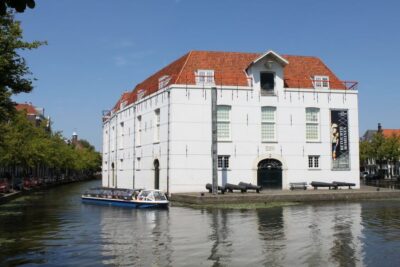 ★ 4.4Delft: Canal Cruise with Guided CommentaryFrom $15990 reviews
 ★ 4.0Rotterdam, Delft, the Hague, Madurodam from AmsterdamFrom $90793 reviews
 ★ 4.5Rotterdam, Delft and The Hague Small Group Tour from AmsterdamFrom $151599 reviews
 ★ 4.6Royal Delft: Delftblue Factory and MuseumFrom $21588 reviews
 ★ 4.2From Amsterdam: Guided Trip to Rotterdam, Delft & The HagueFrom $81529 reviews
 ★ 4.5The Hague, Delft and Rotterdam Small-Group Tour (Max. 8 People)From $156234 reviews
 ★ 4.4Delft: Entrance Ticket for the Old and New ChurchesFrom $11229 reviews
Browse the lists this tour appears in