
REVIEW · DELFT
Delft: City Center Walking Tour
Delft looks crooked on purpose, and you’ll learn why. This city-center walking tour makes the weird stuff feel normal, from the odd tilt of the Old Church tower to the reasons Delft pottery gets its famous blue. You also get the fuller picture of Delft’s power, faith, art, and everyday life, all in a relaxed 1.5-hour stroll.
I really like the storytelling style here. The guides keep it interactive, explain what you’re looking at, and toss in extra local context that you would miss if you just follow your phone map. One consideration: the route is fairly tight, so it’s great for an introduction, but you might not feel like you saw enough of Delft if you love long walking days.
In This Review
- Key highlights you’ll actually care about
- Where the tour starts, and how it sets the tempo
- The Nieuwe Kerk, and what you’re looking for right away
- Delft City Hall, and why civic buildings feel personal
- The Vermeer link, even if you’re not an art expert
- Hidden moments along the walk, not just the postcard stops
- The Meathouse, plus the practical side of city life
- Prinsenhof monastery, where Willem van Oranje is part of the story
- The canals and royal squares vibe, with a calm walking pace
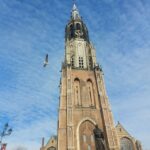
- The Old Church tower, and the mystery of the lean
- Meeting your guide, and what makes the tour feel personal
- Pacing and coverage, what you will and will not get
- Price and value: $24 for a guided Delft reality check
- Who this tour suits best
- Should you book this Delft city-center walking tour?
- FAQ
- How long is the Delft city-center walking tour?
- Where do I meet the guide?
- What languages are available?
- Is the tour wheelchair accessible?
- Are dogs allowed?
- Is this tour suitable for children?
Key highlights you’ll actually care about
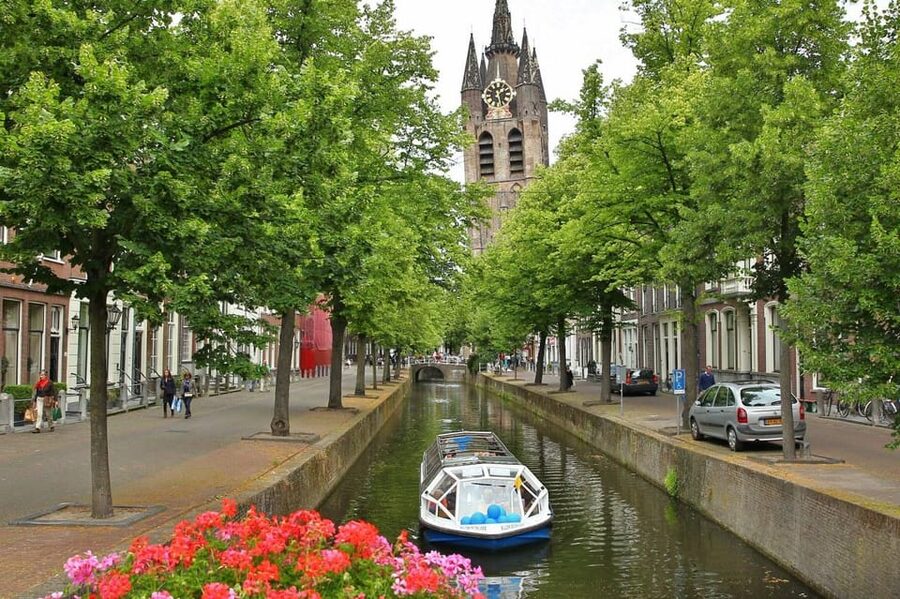
- Lopsided Old Church tower: you’ll leave knowing what makes it look that way
- Royal vault at the New Church: history that connects to Delft’s most important families
- Prinsenhof monastery: a key stop tied to Willem van Oranje
- Vermeer area points: you get art context while you’re walking, not just reading later
- Hidden-gem moments: the tour isn’t only the usual “top 10” sights
Delft, three more ways
- Delft: Canal Cruise with Guided Commentary★ 4.4 · 990 reviews
- Delft: Entrance Ticket for the Old and New Churches★ 4.4 · 229 reviews
- Delft: City Center Walking Tour★ 4.7 · 88 reviews
- Delft: Craft Beer Tasting in Medieval Brewery with Snacks★ 4.4 · 67 reviews
Where the tour starts, and how it sets the tempo
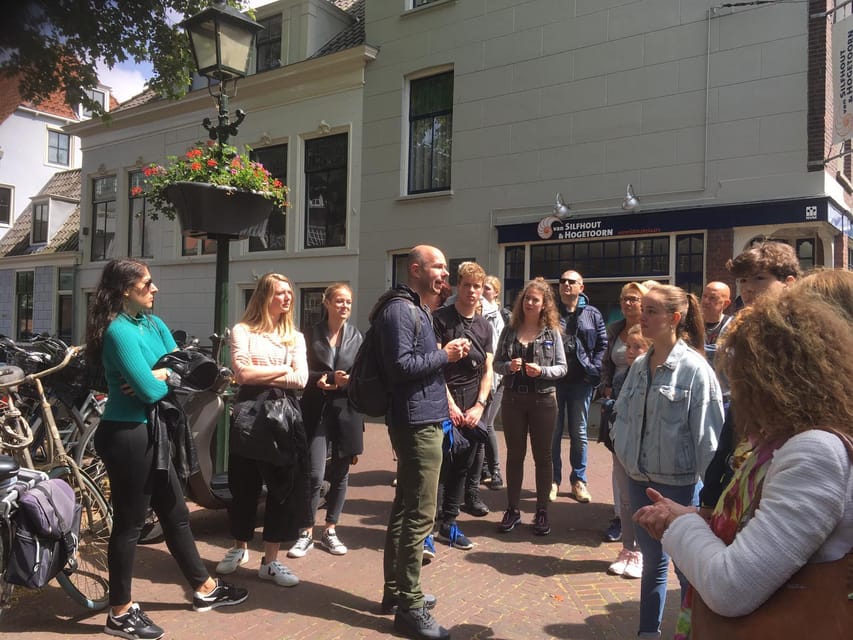
You meet in front of the Nieuwe Kerk at the Market Square. That spot matters, because it puts you right in the center of Delft’s old-city rhythm. From there, the guide leads you through the core on foot, with stops designed to build a story as you go.
This tour is 1.5 hours, not a half-day production. That means you should expect a focused route: a handful of major landmarks plus some smaller, more personal details. If you’re the kind of traveler who wants to get bearings fast, this works well. You’re walking, yes, but the stops are what carry the experience.
The guides offer tours in Dutch, English, and German, so you should find your language without hassle. And because the route stays in the city center, you’re not spending time figuring out transport between far-flung sights.
The Nieuwe Kerk, and what you’re looking for right away
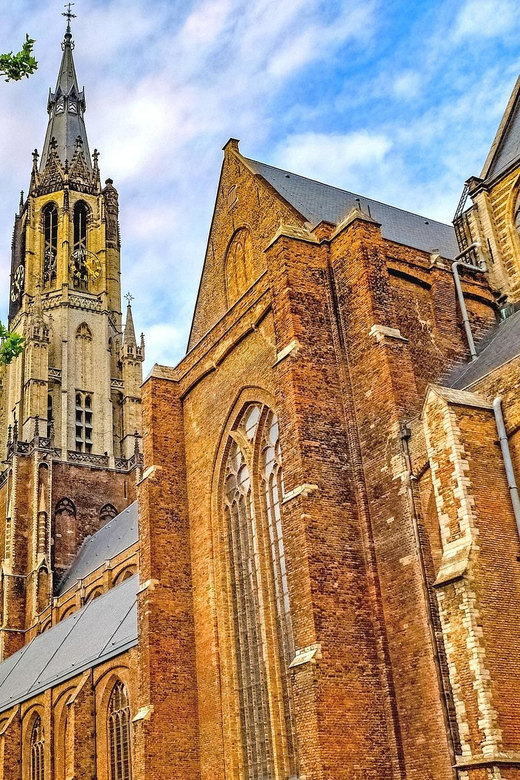
The first stop is the New Church (Nieuwe Kerk). Even if you’ve never thought much about churches beyond photos, you’ll start seeing architecture as a clue. The guide points out what to notice, then connects it to why Delft mattered to royal families.
This is where the tour gets especially good for context. You’re not just standing in a pretty place. You’re learning how power and faith mixed here, and why the church is tied to Delft’s royal past. If you like history explained in plain language, this stop is a strong start.
Delft City Hall, and why civic buildings feel personal
Next up is Delft City Hall. Civic buildings can look like big stone backdrops, but on this walk, you get a sense of what local government looked like day to day. It’s the kind of stop that helps you understand Delft as a working city, not only an art destination.
You’ll also learn to read the building like a map. The guide’s job is to translate details you might otherwise miss into something meaningful. That’s a big part of the value here: you’re not just touring, you’re learning how to look.
The Vermeer link, even if you’re not an art expert
A few steps later you’ll reach the Vermeer Centrum Delft area. You don’t need to be a museum person to enjoy this part. The guide frames Vermeer in Delft’s real environment, so it feels grounded rather than academic.
You’ll also get a sense of why artists were drawn to this kind of place. Delft wasn’t only about big politics. It was also about craftsmanship, trade, and a culture that supported artists and patrons. Even if you’ve seen Vermeer paintings before, this stop can help the images click with the city that shaped them.
Prefer to see it on foot? More Delft walks

Hidden moments along the walk, not just the postcard stops
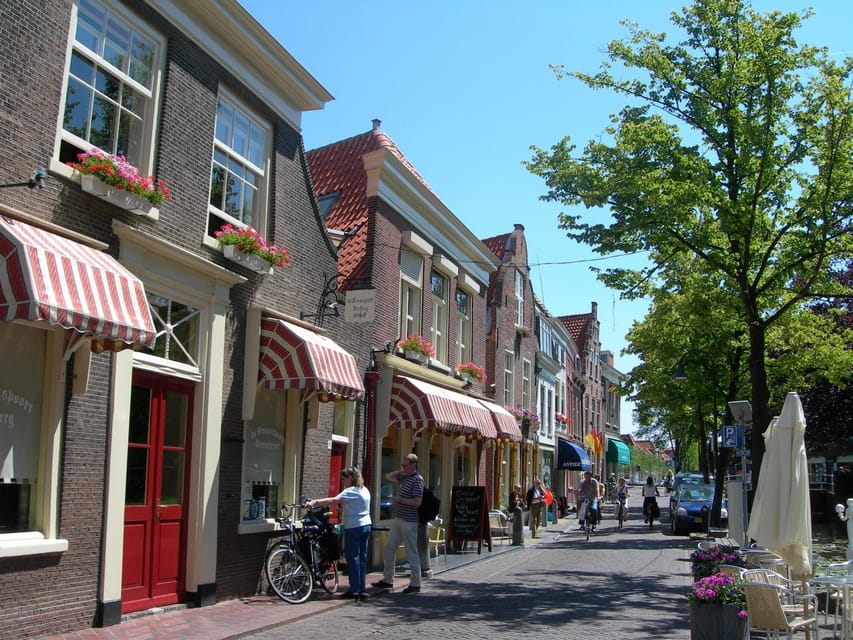
One of the tour’s promises is secret ones, and you do get that feeling. There’s a “local eyes” element here, where the guide points out things that aren’t always in the top sightseeing list.
In a city like Delft, those extra moments make the difference between, I saw some buildings and, I understand the street. You might catch a small viewpoint, a layout detail, or a quieter corner that gives you a sense of what daily life must have looked like.
This is also where the guides shine through in the feedback you’ll hear from other visitors. People consistently mention guides who ask smart questions and keep the group engaged. It’s not a lecture where you tune out after minute ten.
The Meathouse, plus the practical side of city life
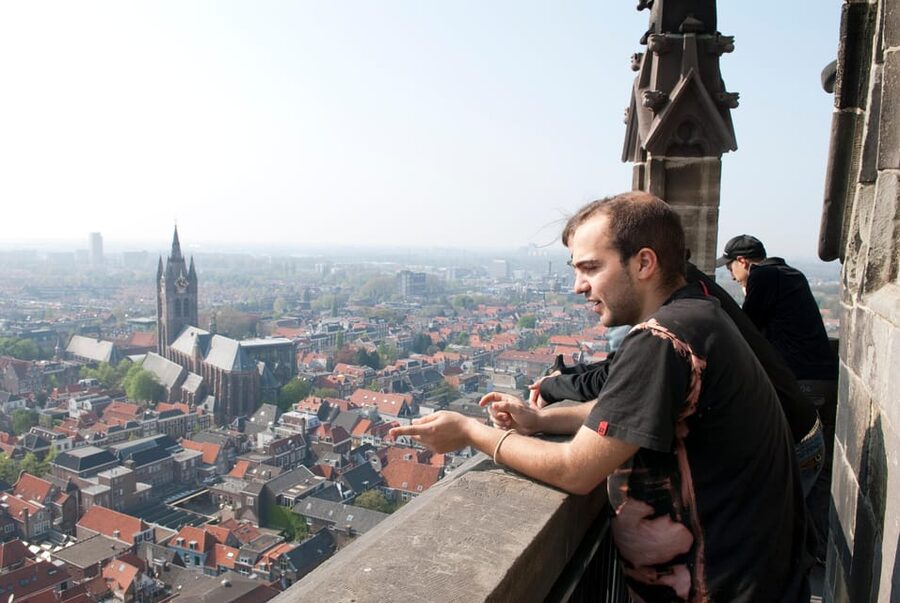
You’ll pass by a traditional Meathouse and also spend time moving through the city’s old-center atmosphere. These stops might not sound dramatic at first, but they connect Delft to how cities functioned. Food, markets, and regulated trades were the backbone of daily life.
It’s the kind of stop that makes the whole tour feel more human. The guide doesn’t treat Delft like a museum piece. You get hints of how people lived, worked, and organized their community.
Prinsenhof monastery, where Willem van Oranje is part of the story
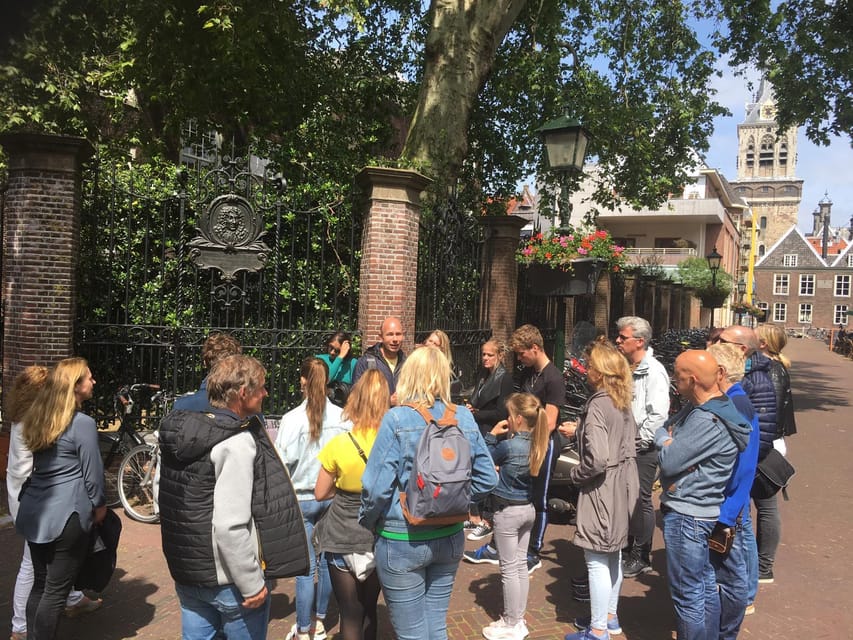
A key stop is the ancient Prinsenhof monastery, tied to Delft’s most famous political figure, Willem van Oranje. This is one of those places where the setting helps you understand why history landed so hard.
What I like about this stop is how it connects layers. You’re in a historic complex, yes, but you’re also learning why a single life event could change a city’s emotional tone for generations. The guide helps you connect Delft’s “big names” with real geography, so the story sticks.
If you enjoy political history without the dry textbook feel, Prinsenhof is one of the best reasons to take this walk rather than doing everything solo.
The canals and royal squares vibe, with a calm walking pace
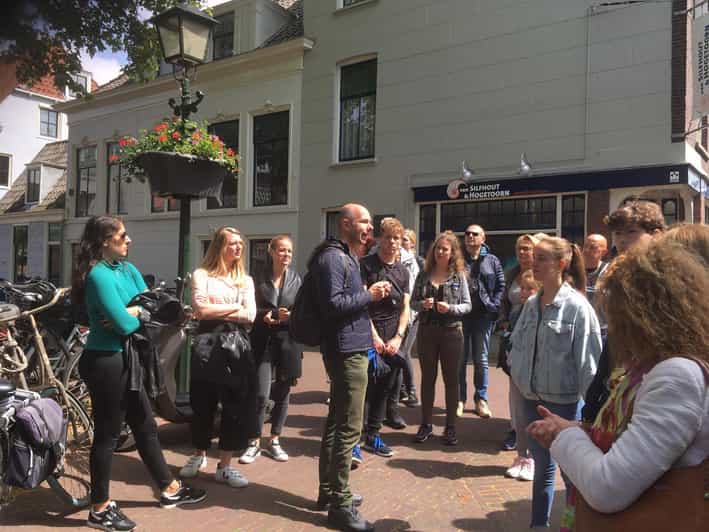
As you continue, you’ll stroll through streets and along the canals and royal squares. The tour keeps a relaxed pace, so you’re not speed-walking between photos. That matters in Delft because the city’s charm sits in the details, the angles, and the rhythm of walking past canal houses.
One practical tip: if it’s hot out, plan for sun and heat. Some visitors note that they wanted more standing time in the shade during warm weather. Even when a guide is attentive, the old streets can be bright and exposed. Bring water, wear sunscreen, and don’t dress like you’re heading to a museum opening.
The Old Church tower, and the mystery of the lean
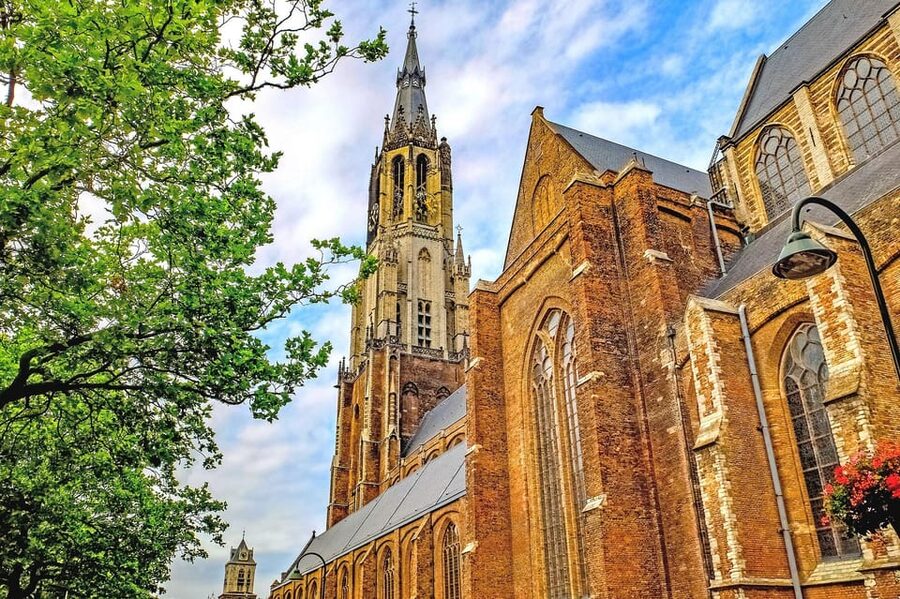
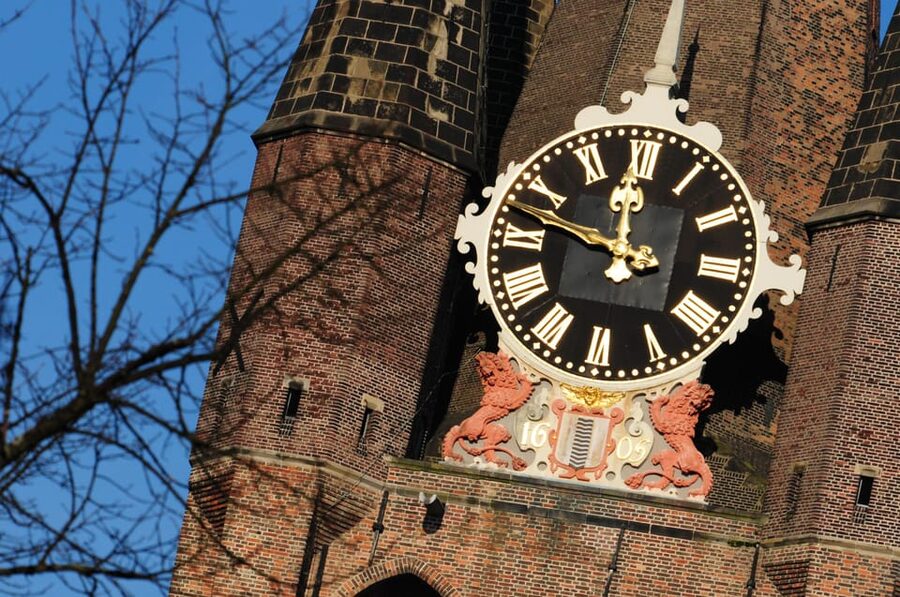
Near the end, you check the Old Church. This is where the tour pays off the promise from the beginning. You’ll look at the tower and understand why it’s so lopsided.
The guide’s job here is to turn a visual oddity into a story you can explain back later. When you know what you’re seeing, the tilt stops being a random quirk and starts being part of Delft’s architectural narrative.
It’s also a satisfying closer because the tour has already taught you how to read the city. By the time you reach the Old Church, you’re not only taking in a landmark. You’re closing the loop on the whole theme: Delft’s history is visible if you know what to look for.
Meeting your guide, and what makes the tour feel personal
Guides like Frans and Astride lead the experience, and the vibe is consistent: warm, engaged, and focused on understanding. People often highlight that the guide:
- moves at a good tempo for a small group
- explains architectural significance in clear language
- invites questions and encourages the group to think
There’s also a small but helpful touch mentioned by one visitor, a text message beforehand sharing the guide name and showing the meeting point context. It’s the kind of detail that reduces stress when you arrive in a new city.
Pacing and coverage, what you will and will not get
This is an introduction tour. You cover major highlights and some extras, but you don’t expect a marathon route across all of Delft.
So here’s the fair trade:
- If you want a smart overview in 1.5 hours, this delivers.
- If you want to walk a lot and see lots of distinct neighborhoods, you may feel you only scratched the surface.
This matches the feedback you’ll hear: one common theme is that some people wanted a bit more walking to see more of the city center. If that sounds like you, consider pairing this tour with a longer afternoon on your own afterward, so you can slow down and explore the streets you liked most.
Price and value: $24 for a guided Delft reality check
At $24 per person for 1.5 hours, the value is strongest when you treat this as orientation. You’re paying for two things:
1) someone local who can explain why the landmarks matter
2) a route that saves you time guessing what to see first
If you’re paying full price for several museum tickets later, a guided city intro can still be a smart move. It helps you aim your curiosity. Instead of wandering randomly, you’ll recognize what you’re seeing as you go.
And because the tour is wheelchair accessible and welcomes dogs, it’s built to be practical for different travelers. It’s also not suitable for children under 10, so families should plan around that if your group includes younger kids.
Who this tour suits best
This tour is a great fit if you:
- want an easy, high-impact introduction to Delft’s center
- enjoy history explained through architecture and real places
- like art connections, especially the Vermeer link
- want a guide who encourages questions and keeps the mood friendly
It’s also a good choice if you dislike over-structured tours where you spend more time in a crowd than actually looking. Here, the stops are brief and meaningful.
Should you book this Delft city-center walking tour?
Yes, if you want a clear, guided orientation to Delft’s most important storylines, in a time window that won’t eat your whole day. The strongest reasons to book are the Royal vault at the New Church, the Prinsenhof tie to Willem van Oranje, and the satisfaction of understanding the Old Church tower’s lean.
Skip it only if your top goal is maximum walking time or you already know Delft extremely well and are mostly looking for long, self-directed exploration. Otherwise, this is one of the better ways to start a Delft visit, because you’ll leave with a mental map and a set of explanations that make the city click right away.
FAQ
How long is the Delft city-center walking tour?
The tour lasts 1.5 hours.
Where do I meet the guide?
The meeting point is in front of the New Church at the Market Square.
What languages are available?
The live tour guide offers Dutch, English, and German.
Is the tour wheelchair accessible?
Yes, it is wheelchair accessible.
Are dogs allowed?
Yes, dogs are allowed.
Is this tour suitable for children?
It is not suitable for children under 10 years.
Everything Else From Our Delft Notebook


Also Reviewed Around Delft


Delft, Three More Ways
Fresh off the review pile in Delft
- Delft: Canal House Museum ‘Paul Tetar van Elven’ Ticket
★ 4.5 · 6 reviews - Delft: Private Historical and Cultural Guided Walking Tour
★ 5.0 · 8 reviews - Delft: Christmas Walk with Oliebollen and Glühwein
★ 4.8 · 8 reviews - Delft: Guided Walking Tour
★ 4.7 · 9 reviews - Delft – Step/scootertour in and around the city
★ 4.8 · 9 reviews
Delft & Delft Blue, compared.
 ★ 4.2From Amsterdam: Rotterdam, Delft & The Hague Guided Day TourFrom $901,765 reviews
 ★ 4.4Delft: Canal Cruise with Guided CommentaryFrom $15990 reviews
 ★ 4.0Rotterdam, Delft, the Hague, Madurodam from AmsterdamFrom $90793 reviews
 ★ 4.5Rotterdam, Delft and The Hague Small Group Tour from AmsterdamFrom $151599 reviews
 ★ 4.6Royal Delft: Delftblue Factory and MuseumFrom $21588 reviews
 ★ 4.2From Amsterdam: Guided Trip to Rotterdam, Delft & The HagueFrom $81529 reviews
 ★ 4.5The Hague, Delft and Rotterdam Small-Group Tour (Max. 8 People)From $156234 reviews
 ★ 4.4Delft: Entrance Ticket for the Old and New ChurchesFrom $11229 reviews
Browse the lists this tour appears in